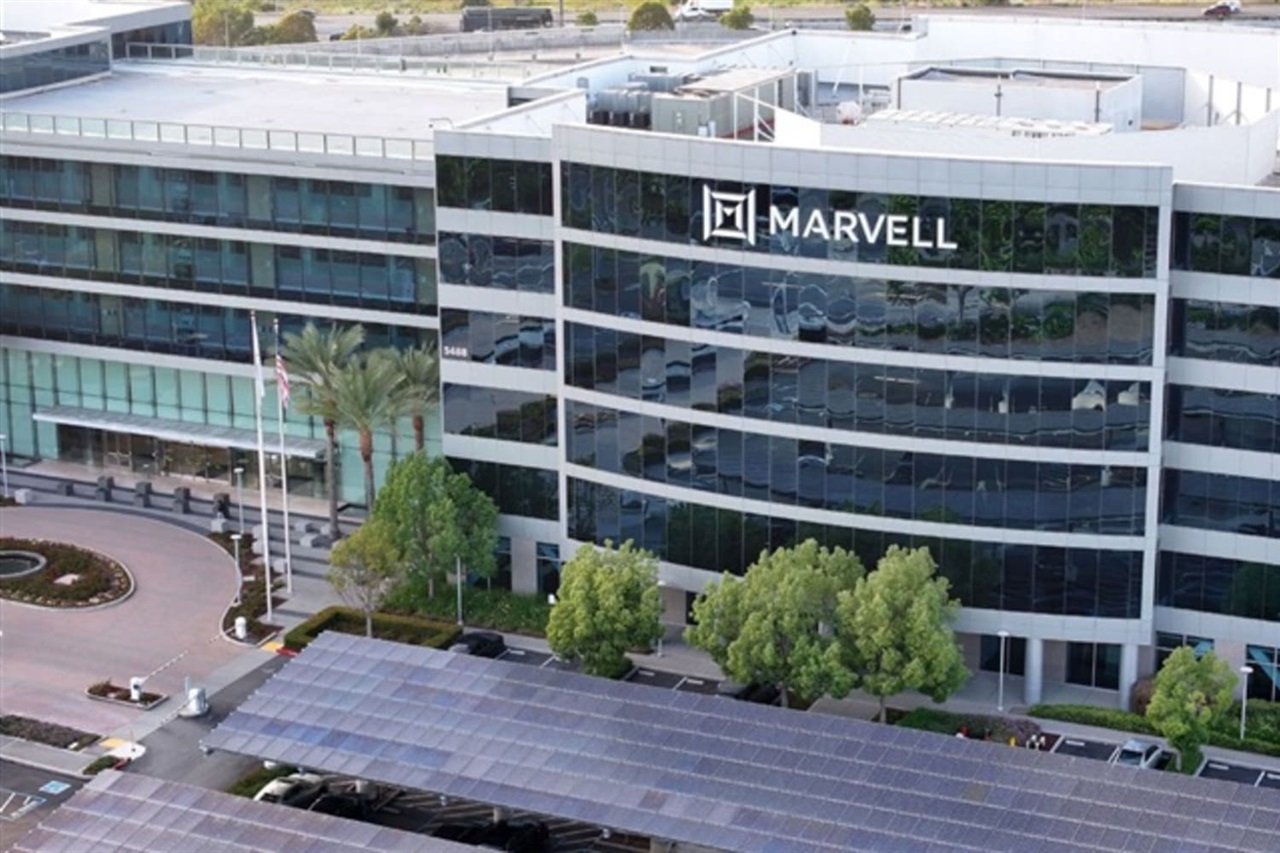
What happened
Marvell's CTO stated that power and density bottlenecks are driving adoption of co-packaged optics (CPO) in AI data centers.
Why it matters
This highlights a key technical challenge in scaling AI infrastructure, as traditional approaches face limits in power and physical space.
What to watch
The pace of CPO adoption in AI data centers will depend on resolving these bottlenecks, potentially impacting future infrastructure design.
Summaries like this, every morning.
The article reports Marvell's CTO highlighting that power and density constraints are key factors pushing AI data centers toward co-packaged optics (CPO). This suggests a technical inflection point where traditional infrastructure methods may be insufficient for AI workloads. CPO could offer a path to improve efficiency without expanding physical footprint, though specific details or metrics are not provided in the original content. The statement underscores a broader industry challenge, but the limited information prevents deeper analysis or speculation about timelines or implementation specifics.
Pick your industry and the AI tools you use, and get news related to your work every day.
Free · 30 seconds with Google · unsubscribe anytimeWhat is AIToday? →
Ask AI anything about this article. The AI reads this article, earlier AIToday articles, and Wikipedia, and cites its sources. Q&As are published on this page for other readers too.
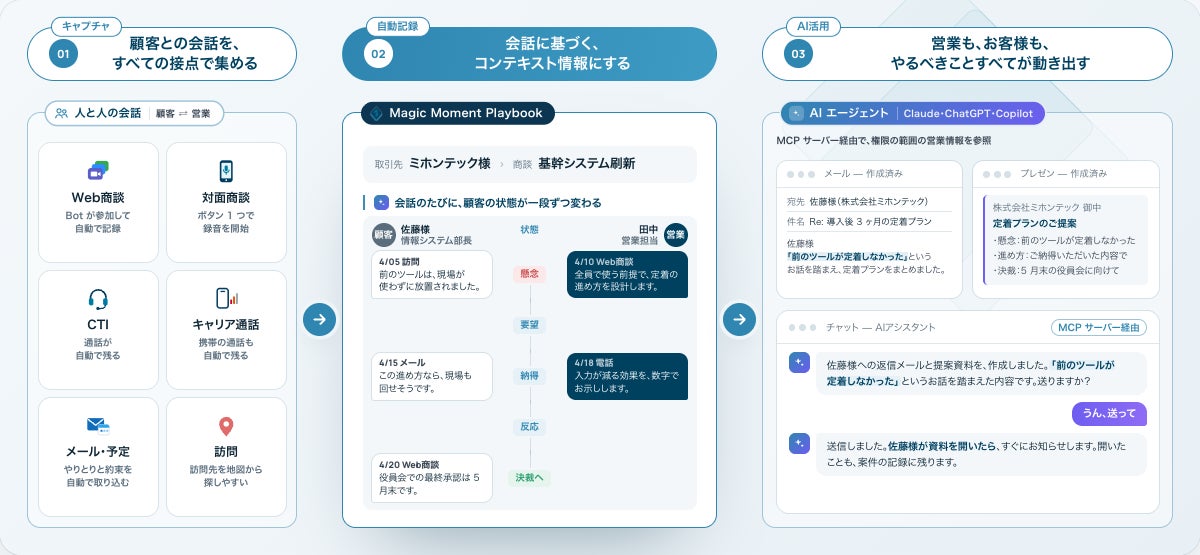
Magic Moment began providing an MCP server for its Magic Moment Playbook sales platform, so sales records tied…
Ahead of Oracle AI World on Oct
Seven senators including Ron Wyden and Elizabeth Warren wrote to Mark Zuckerberg on Oct
Anthropic announced Claude Duet on Wednesday as a research preview — an app for professionals and small-busine…
AWS detailed a Multi-Turn Reinforcement Learning pipeline on Amazon SageMaker AI that took gpt-oss-20b from a…
Bayer Crop Science built the Agentic Decision Engine (ADE), a multi-agent natural language interface over its…