What happened
Google announced Gemini 3.7 Flash today, rolling it out to replace Gemini 3.6 Flash, which was released only three weeks ago. The new model shows improved coding and business-task performance across multiple benchmarks: FrontierCode 1.1 Main improved from 34.4 to 43.6 percent, DeepSWE v1.1 from 49 to 65.3 percent, WebDev Arena from 1,538 to 1,588, GDP.pdf from 22 to 34 percent, and AutomationBench from 17 to 30.4 percent.
Why it matters
Google is offering Gemini 3.7 Flash at a lower introductory price to compete with lower-cost rival models. The rapid succession of releases—two Flash versions in three weeks—suggests Google is working to maintain momentum in AI development after a slower period in 2026; the company had promised Gemini 3.5 Pro would launch in June at its May I/O event, but that did not happen.
What to watch
Whether the benchmark gains justify the fast release cycle, and whether Gemini 3.5 Pro (the long-awaited flagship model) arrives soon. The introductory pricing for 3.7 Flash has not been specified in detail.
Summaries like this, in your inbox every morning.
Google's release of Gemini 3.7 Flash represents a notably accelerated development cycle. The model replaces 3.6 Flash after only three weeks, a timeframe that contrasts sharply with typical major-model release schedules in the AI industry. The performance gains, while measurable across multiple benchmarks, are modest in absolute terms—for instance, AutomationBench rose from 17 to 30.4 percent, and GDP.pdf from 22 to 34 percent. The body suggests this rapid succession may reflect Google's strategic goal of signaling continuous innovation in AI, particularly following a slower period in 2026. The company had publicly committed to launching Gemini 3.5 Pro in June at its May I/O event, but that milestone was not met, which may explain why the company is emphasizing incremental improvements to the Flash line. By pricing 3.7 Flash at an introductory discount, Google appears to be responding to competitive pricing pressure from rival AI labs, even as it continues work on the flagship 3.5 Pro model.
Pick your industry and the AI tools you use, and get news related to your work every day.
Free · 30 seconds with Google · unsubscribe anytimeWhat is AIToday? →
Ask AI anything about this article. The AI reads this article, earlier AIToday articles, and Wikipedia, and cites its sources. Q&As are published on this page for other readers too.
ElevenLabs completed a $300 million employee tender at a $22 billion valuation, and co-founder Mati Staniszews…

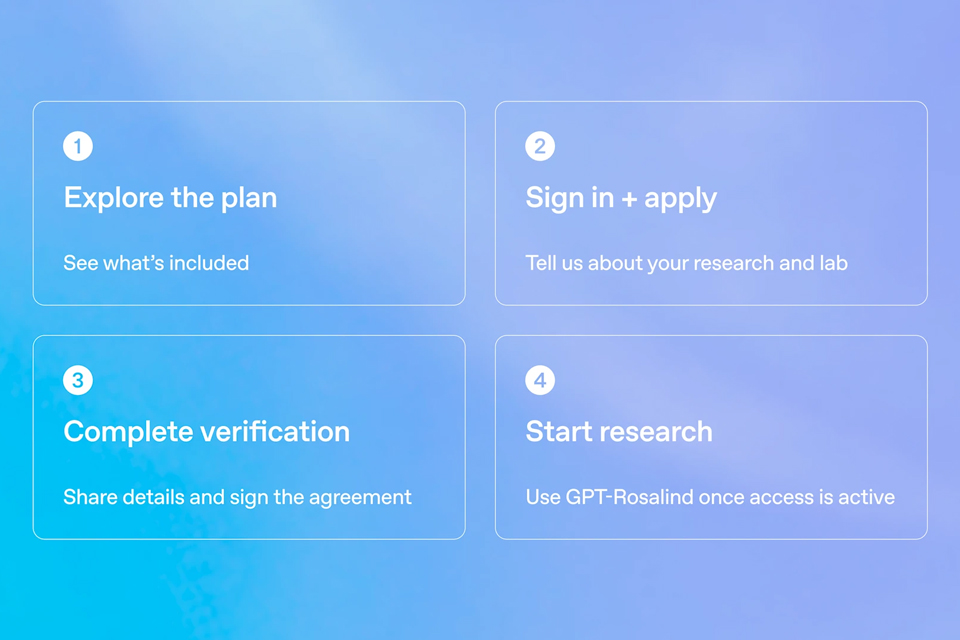
On October 15, OpenAI announced the Rosalind Academic Plan, giving approved US university labs free access to…
A Qiita article compared automated red-teaming methods for LLM apps — GCG, PAIR, and TAP — using mock implemen…

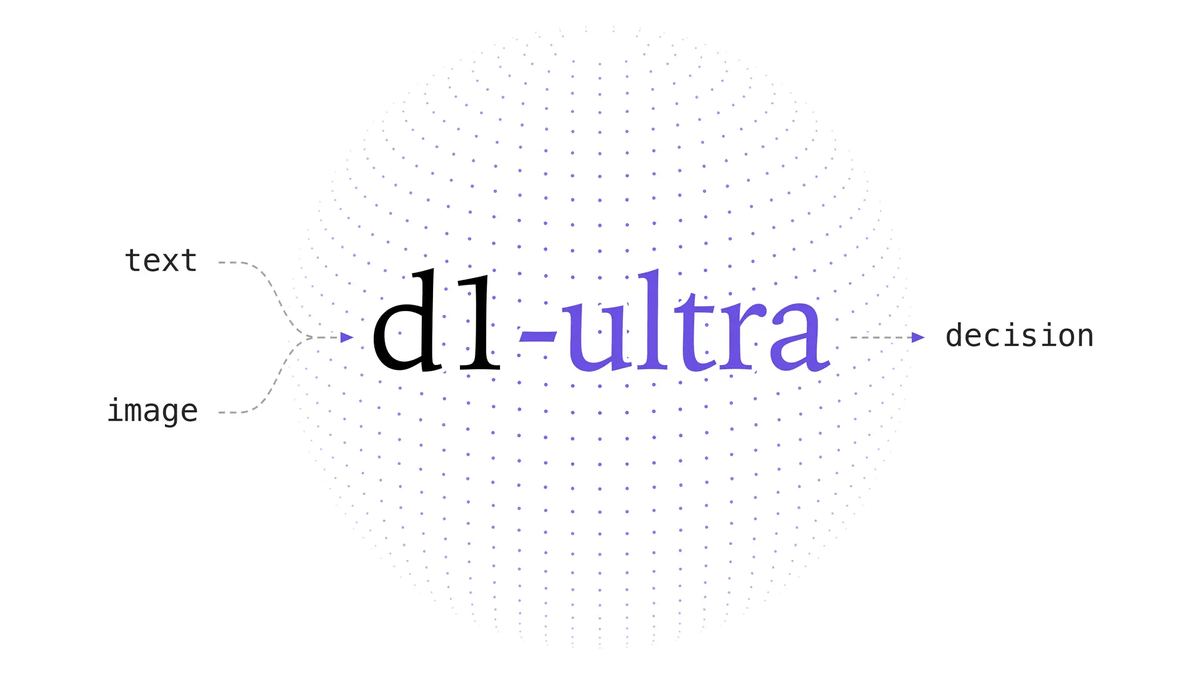
Liquid AI released d1-ultra on October 15, 2026, an upgraded open-weights decision model that averaged 76.7 ac…
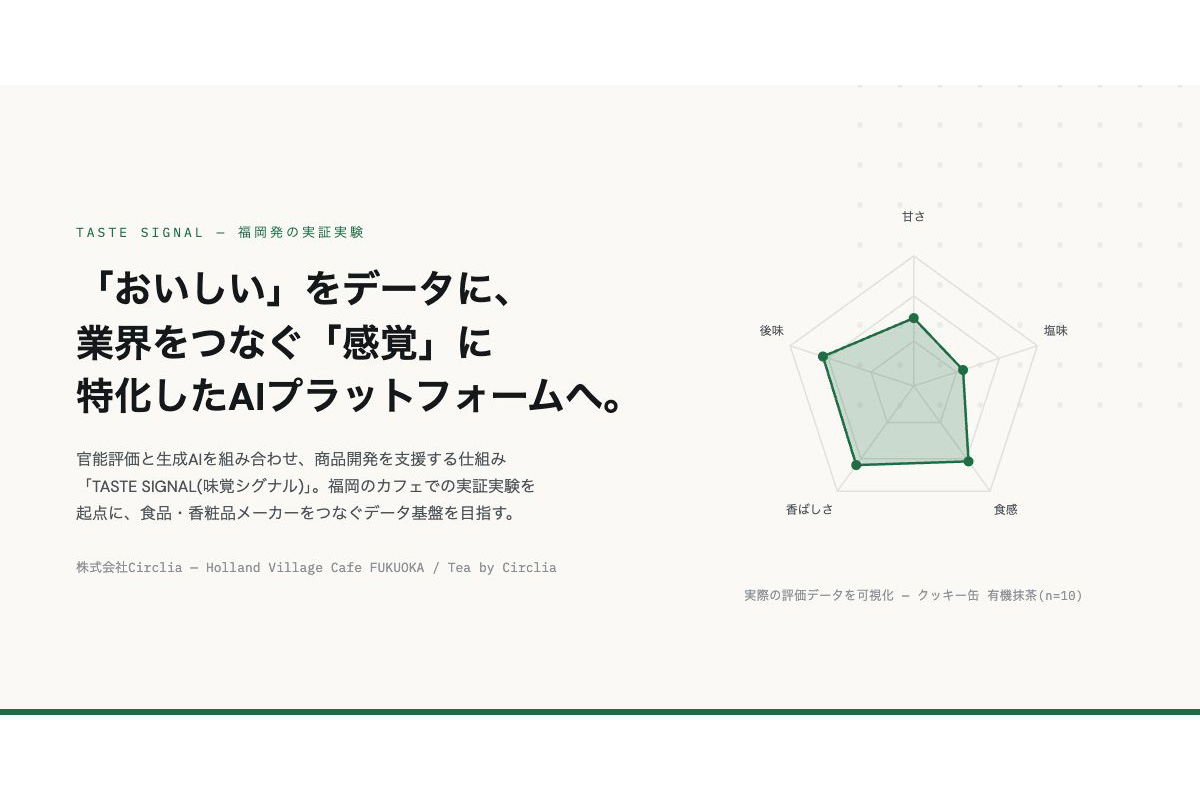
Circlia started a proof-of-concept for TASTE SIGNAL: visitors to Holland Village Cafe FUKUOKA taste cookies an…
In a webinar hosted by French Mathematical Society president Isabelle Gallagher, Fields Medal winner Hugo Dumi…

