What happened
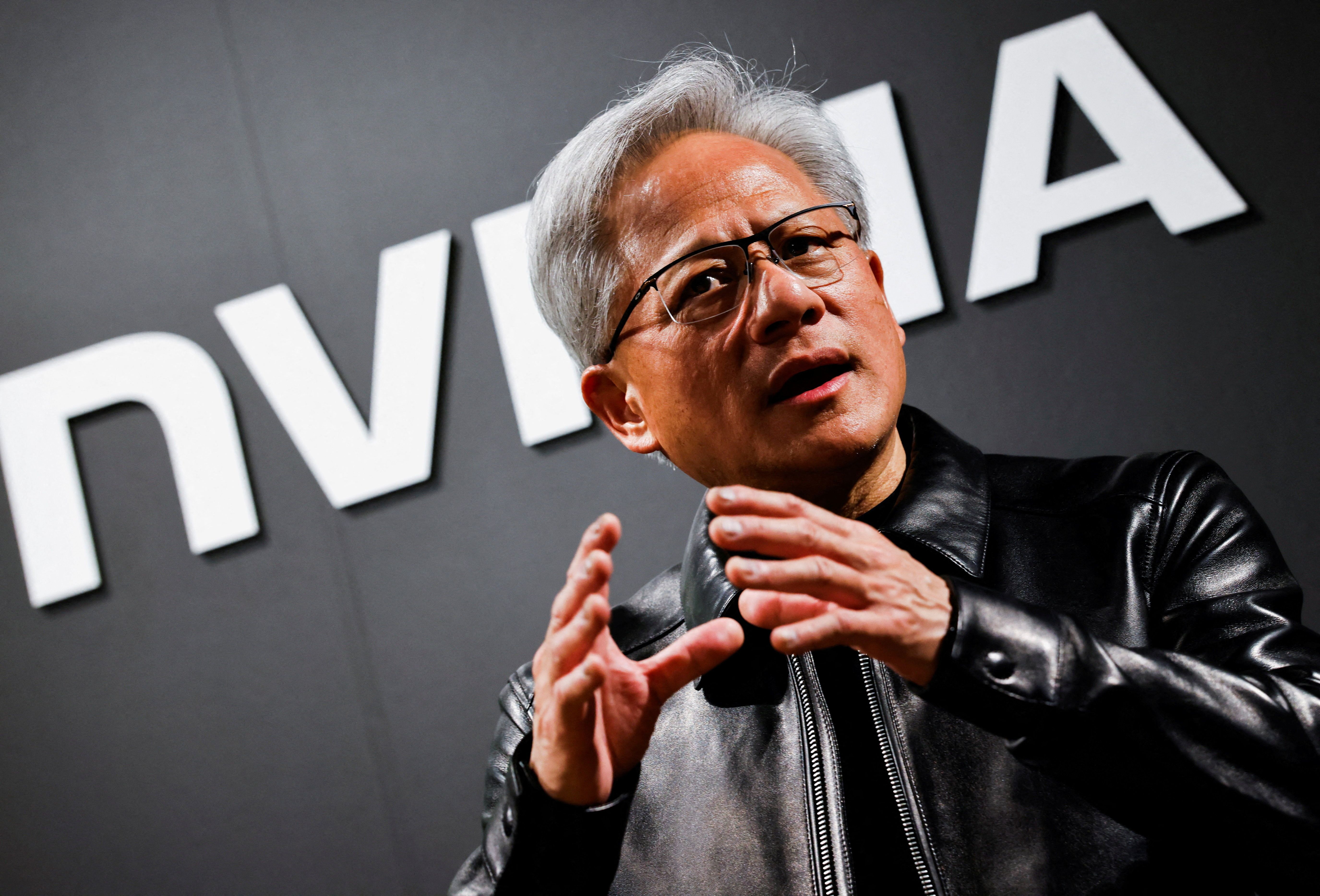
Nvidia reached a deal on Monday to provide up to $105 billion to backstop a new OpenAI data center in Ohio. This arrangement is part of a broader wave of debt-fueled AI infrastructure spending by major tech companies.
Why it matters
The structure of these financing deals is becoming harder for investors to track. Morgan Stanley analysts noted that much of the growing debt is held off hyperscalers' balance sheets through increasingly complex credit arrangements, making it "increasingly difficult for investors to assess companies' total potential leverage." The heavy private borrowing for AI is raising bond yields and crowding out government debt.
What to watch
The European Central Bank has warned that a correction in US tech stocks appears likely even if AI eventually meets investor expectations, and such a downturn could threaten Eurozone stability. The mounting debt and complex financing structures suggest financial stability risks beneath the AI investment boom.
Summaries like this, in your inbox every morning.
The Nvidia-OpenAI deal exemplifies a structural shift in how Big Tech finances AI infrastructure: rather than raising capital through traditional equity or on-balance-sheet debt, companies are layering off-balance-sheet credit arrangements that obscure their true leverage. Morgan Stanley's warning about opacity reflects genuine difficulty in assessing systemic risk—when debt is scattered across complex credit lines, neither investors nor regulators can easily measure aggregate exposure. The "reverse-crowding-out effect" described by Bloomberg adds another layer of concern: as private tech borrowing surges, it drives up government bond yields, effectively crowding out public investment and making fiscal policy more expensive. The European Central Bank's caution about tech stock correction and Eurozone contagion suggests that what appears domestically as an AI splurge may have cross-border financial consequences if the debt-fueled spending unwinds.
Pick your industry and the AI tools you use, and get news related to your work every day.
Free · 30 seconds with Google · unsubscribe anytimeWhat is AIToday? →
Ask AI anything about this article. The AI reads this article, earlier AIToday articles, and Wikipedia, and cites its sources. Q&As are published on this page for other readers too.
Chunghwa Telecom president Rong-shy Lin said the shift from conversational AI to autonomous AI agents is resha…
CoreWeave fell 5% in premarket trading Friday and was on track to finish the week down 15%, after rebounding f…
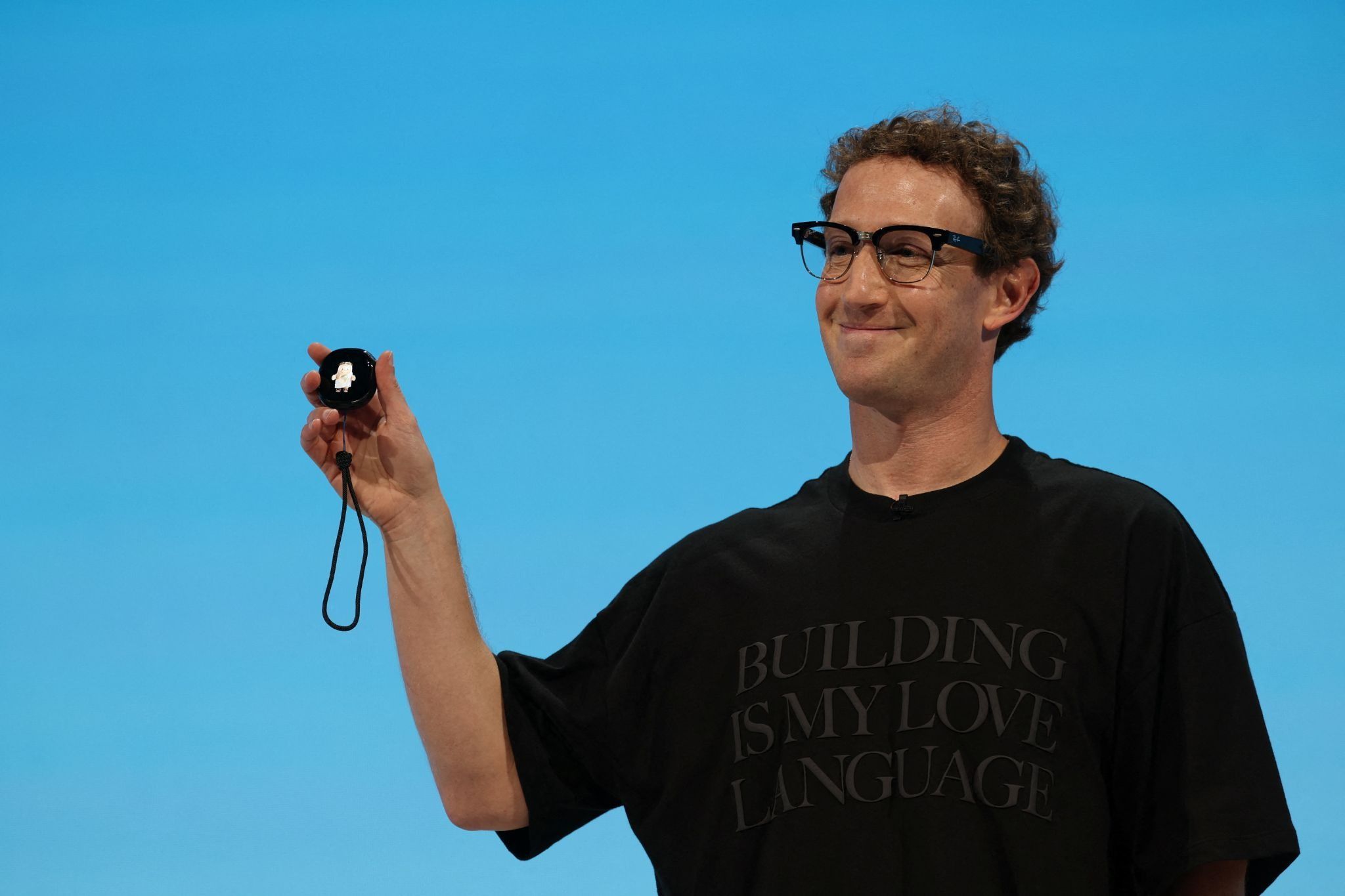
Apple and Meta said they would jointly release a new open-weight AI model designed to run on high-end Macs, ai…
Investors put $38.5 billion into Asian startups in Q3, per Crunchbase data

A longtime Anthropic investor told Fortune he expects shares priced around $1.8 trillion, below the company's…
In Q2, billionaires or their funds sold six 'Magnificent Seven' AI stocks