What happened
Dustin Podell, cofounder and researcher at Black Forest Labs, discussed the evolution of AI image generation technology in a Practical AI Podcast episode, explaining the progression from diffusion models to flow matching and how modern image models work for editing and visual workflows.
Why it matters
Image generation has advanced dramatically over the past three to four years—from producing blurry, vaguely related outputs to generating photorealistic content that can be used in short films and professional workflows. The core technology has improved significantly while remaining conceptually grounded in transformer-based approaches introduced in 2017, making visual AI increasingly practical for real-world applications.
What to watch
The episode covers the FLUX family of models and local image generation techniques. Black Forest Labs' work on flow matching and in-context image editing represents the technical direction the field is moving, with implications for developers and businesses building visual workflows.
Summaries like this, in your inbox every morning.
Pick your industry and the AI tools you use, and get news related to your work every day.
Free · 30 seconds with Google · unsubscribe anytimeWhat is AIToday? →
Ask AI anything about this article. The AI reads this article, earlier AIToday articles, and Wikipedia, and cites its sources. Q&As are published on this page for other readers too.
TOPPAN Holdings and Keio University ran a quantum-computer and generative-AI proof-of-concept from February 1…

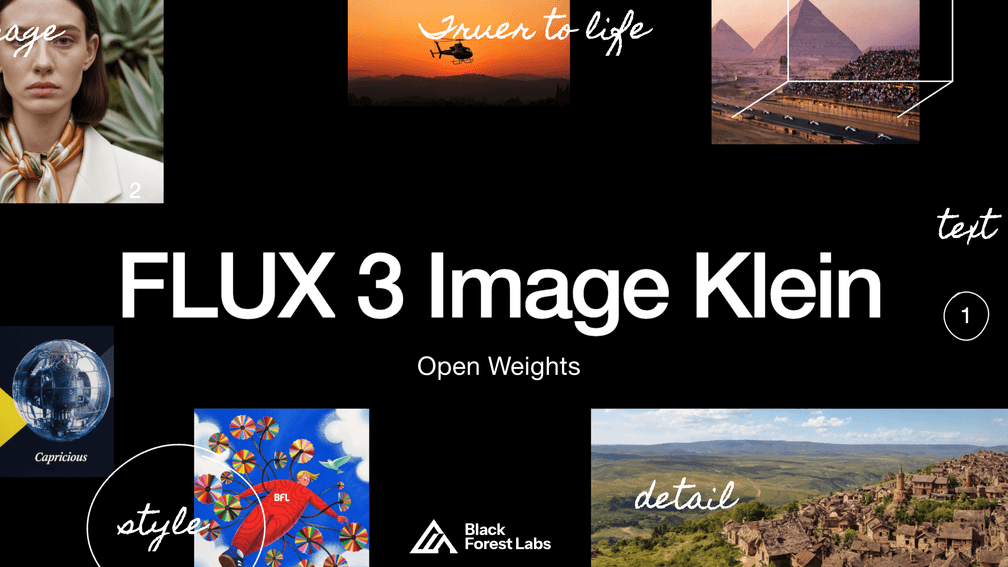
Black Forest Labs released FLUX 3 Image Klein as open weights on October 15, 2026 — a 5.6B-parameter model for…
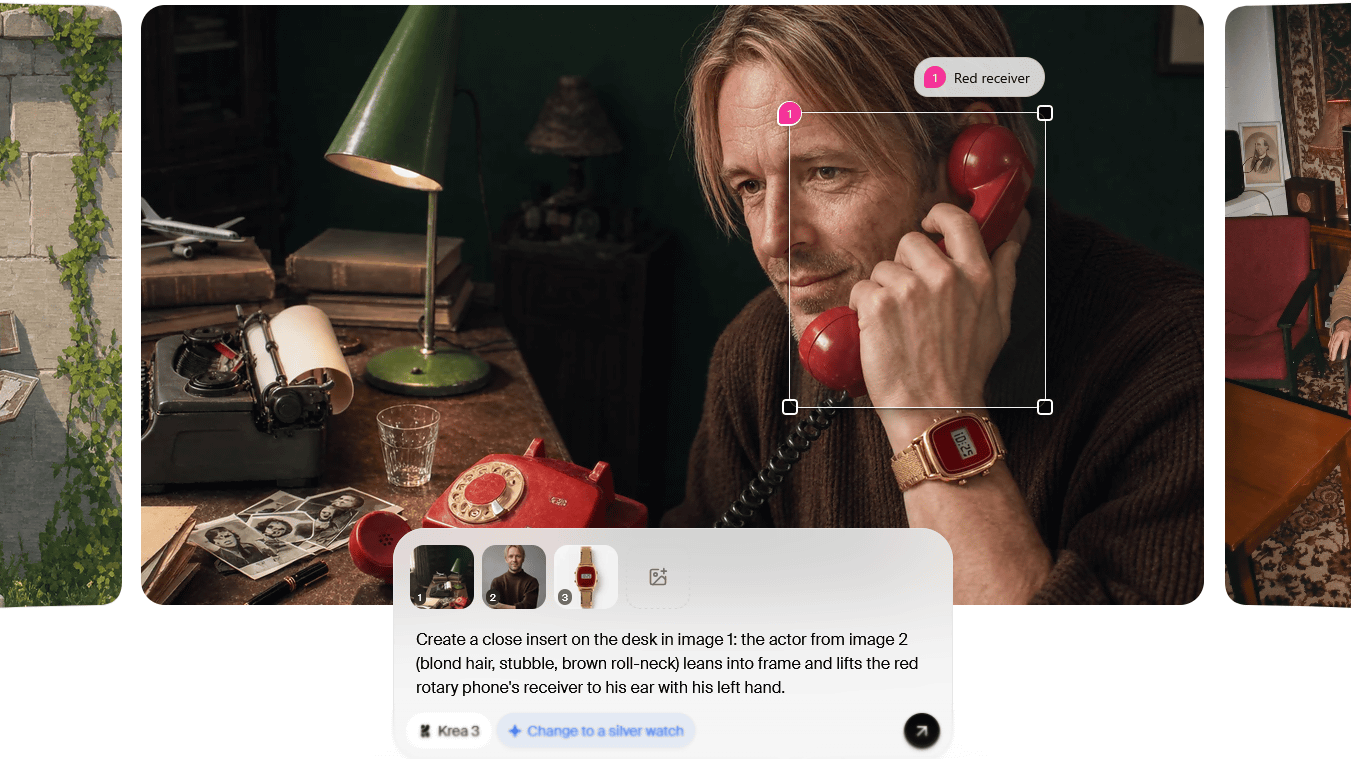
Krea opened the beta for Krea 3, which does end-to-end 2K edits in under 8 seconds, accepts up to 8 reference…
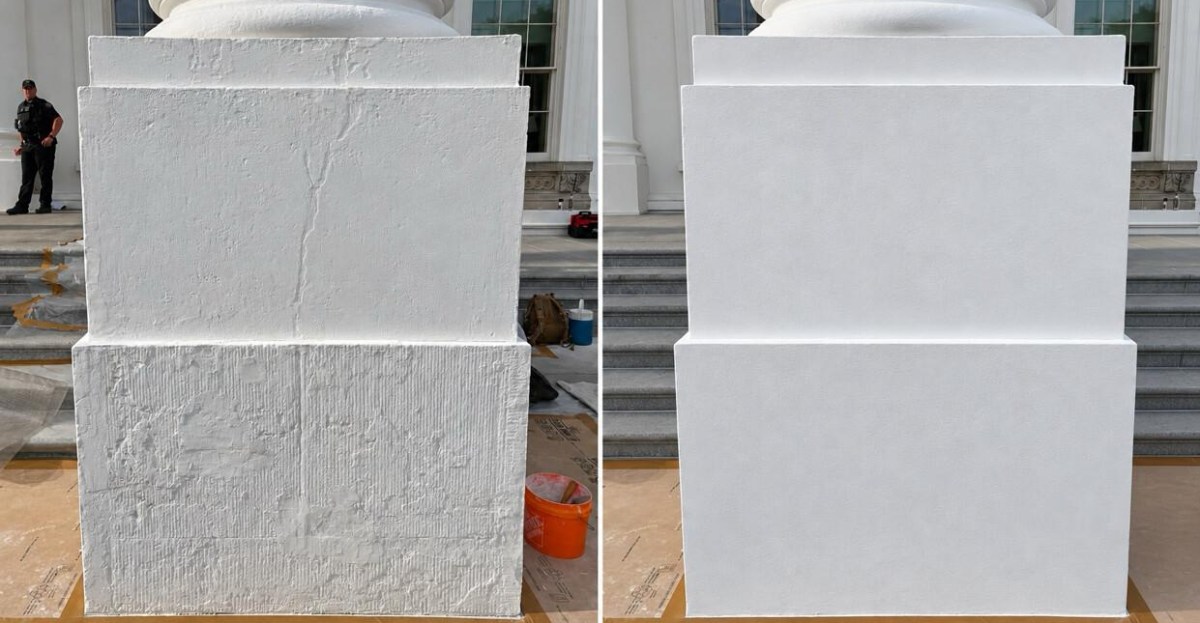
President Donald Trump posted photos on Truth Social showing White House renovations, but one comparing an old…
Universidad de Córdoba (UCO) has published a guide titled "AI NSFW 2026: reference tools, reusable workflows a…
Black Forest Labs released FLUX 3 Image Klein, a 5.6-billion-parameter open-weights model for text-to-image ge…