What happened
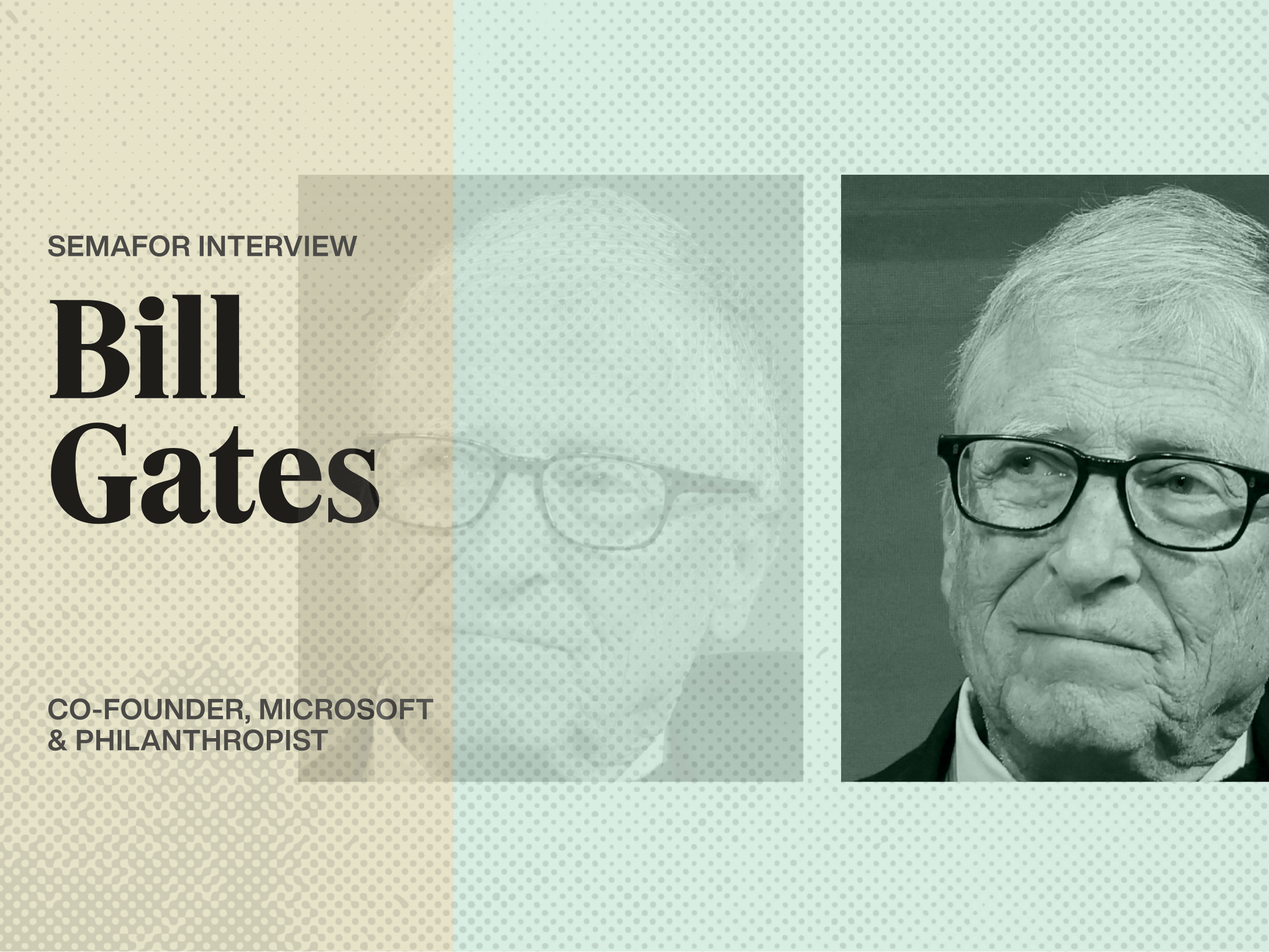
Bill Gates, in a Semafor interview, reversed his previous optimism about AI and jobs, now warning of economic catastrophe and "far fewer" jobs due to AI's speed and lack of government response.
Why it matters
Gates' shift from his 2023 stance of a "manageable" transition highlights growing concern among tech leaders; he also warns that the bioterrorism risk from AI is "50 times the natural pandemic risk now."
What to watch
Gates published a blog post on Wednesday urging new policies to protect workers and taxing companies based on AI use; he plans more essays, including one on biological risks.
Summaries like this, in your inbox every morning.
Bill Gates' stark warning marks a significant departure from his earlier stance, reflecting a broader shift among tech leaders who are increasingly vocal about AI's dangers. His reference to Mustafa Suleyman's book "The Coming Wave" and Demis Hassabis's proposal for a federal standards body underscores a growing consensus in the tech community that current safety measures are insufficient.
The speed of AI advancements, which Gates describes as "crazy," is central to his concern, as is the perceived silence from government and tech leaders. This urgency is driven by fears of societal backlash that could derail AI's potential benefits in science and health. Gates' planned essays, including one on biological risks, suggest a sustained campaign to influence policy.
While Gates acknowledges the potential for AI to improve humanity, his focus is on the immediate risks of economic disruption and bioterrorism. His insistence on taxing companies based on AI use and creating protective policies for workers indicates a call for proactive governance, rather than reactive measures. The endorsement from figures like Suleyman suggests that Gates' views are gaining traction in influential circles, potentially shaping future regulatory debates.
Pick your industry and the AI tools you use, and get news related to your work every day.
Free · 30 seconds with Google · unsubscribe anytimeWhat is AIToday? →
Ask AI anything about this article. The AI reads this article, earlier AIToday articles, and Wikipedia, and cites its sources. Q&As are published on this page for other readers too.
Vinci4D provides chip-design simulation software that trains on physics equations instead of customer data, an…
SEMI President and CEO Ajit Manocha told DIGITIMES that the semiconductor industry reached the US$1 trillion r…

Nvidia's AI Enterprise lists at $4,500 per GPU annually, and paid subscriptions add supported software, securi…

CoreWeave fell more than 25% this week, its debt yield briefly rose above 16% on Thursday, and SK Hynix droppe…

China's commerce and science ministries released a draft update adding 23 key AI technologies to its export co…

Anthropic told investors this week that it is making 85% gross margins, a figure the columnist calls a cash co…