A new approach called variable-time-step spatio-temporal corridor (V-STC) treats both spatial configuration and time durations as decision variables to enhance temporal efficiency in multi-vehicle autonomous vehicle coordination.
The method constructs a V-STC for each autonomous vehicle, then plans a dynamically feasible trajectory independently for each vehicle based on the generated corridor.
Simulation studies show the approach achieves safe multi-vehicle coordination and yields more time-efficient motion compared with existing STC approaches.
Ask the AI about this article →
For example, today's edition would include:
AI-summarized, only the topics you pick — one digest a day via Email, Slack, or Discord.
Free · takes 30 seconds · unsubscribe anytimeWhat is AIToday? →
Ask AI anything about this article. Q&As are published on this page for other readers too.
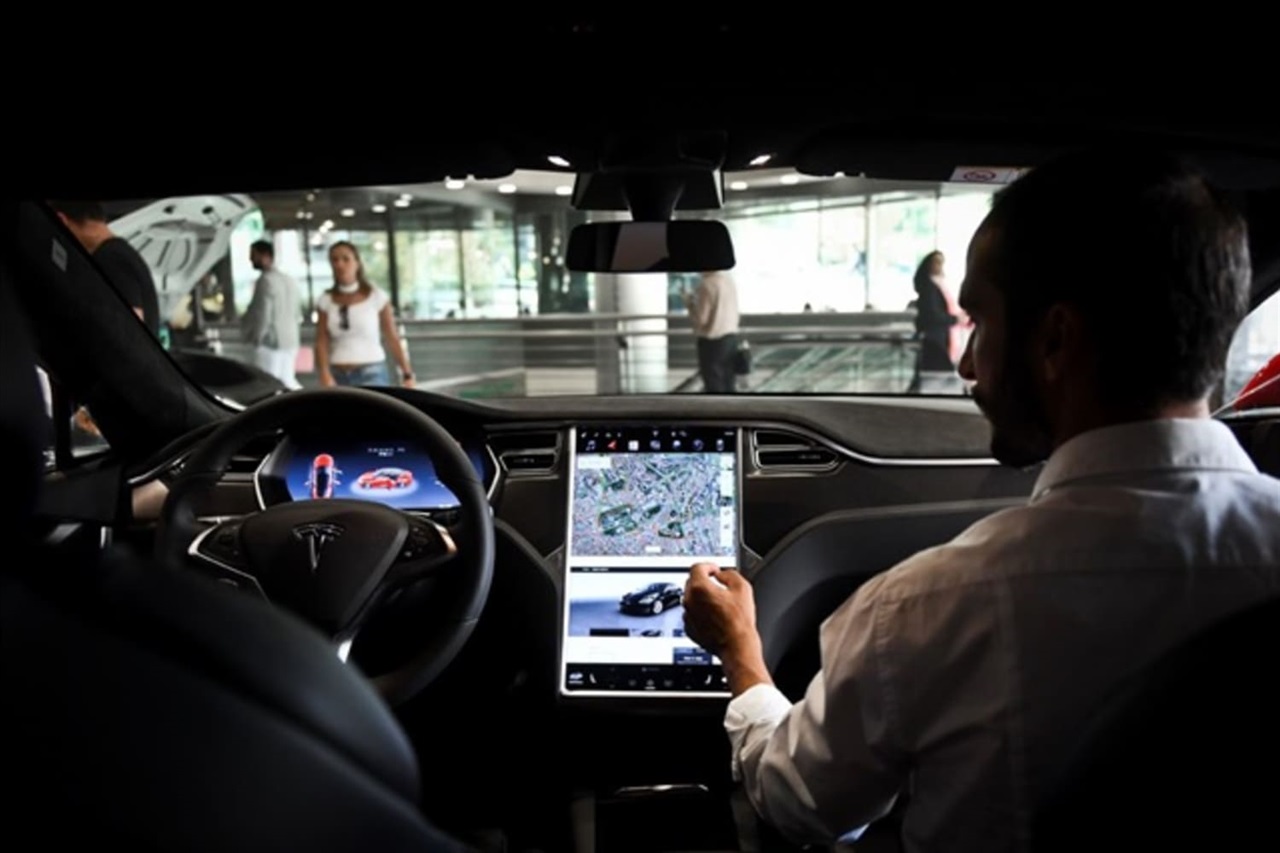
ARK Invest, led by Cathie Wood, predicts Tesla could make robotaxis 60x bigger

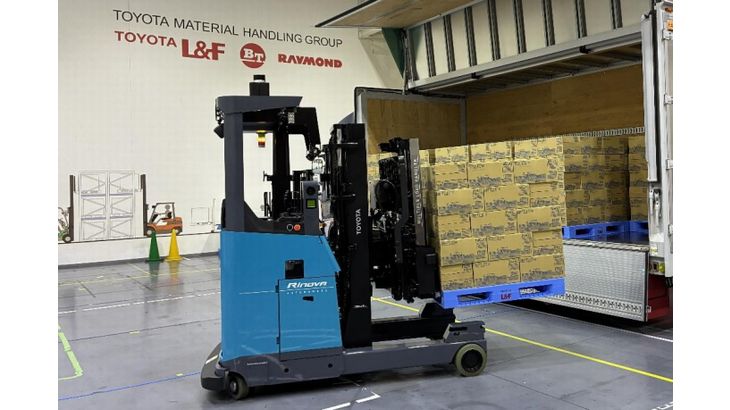
Suntory Logistics and Toyota Industries announced on September 1 that they will begin a demonstration test in…
CrowdStrike Holdings Inc
At Turing Drive's eighth-anniversary press event, partners Vecow and oToBrite discussed how advances in AI, se…
Toyota Motor, Denso, Woven by Toyota, and Toyota Industries are all hiring for self-driving roles, but the job…

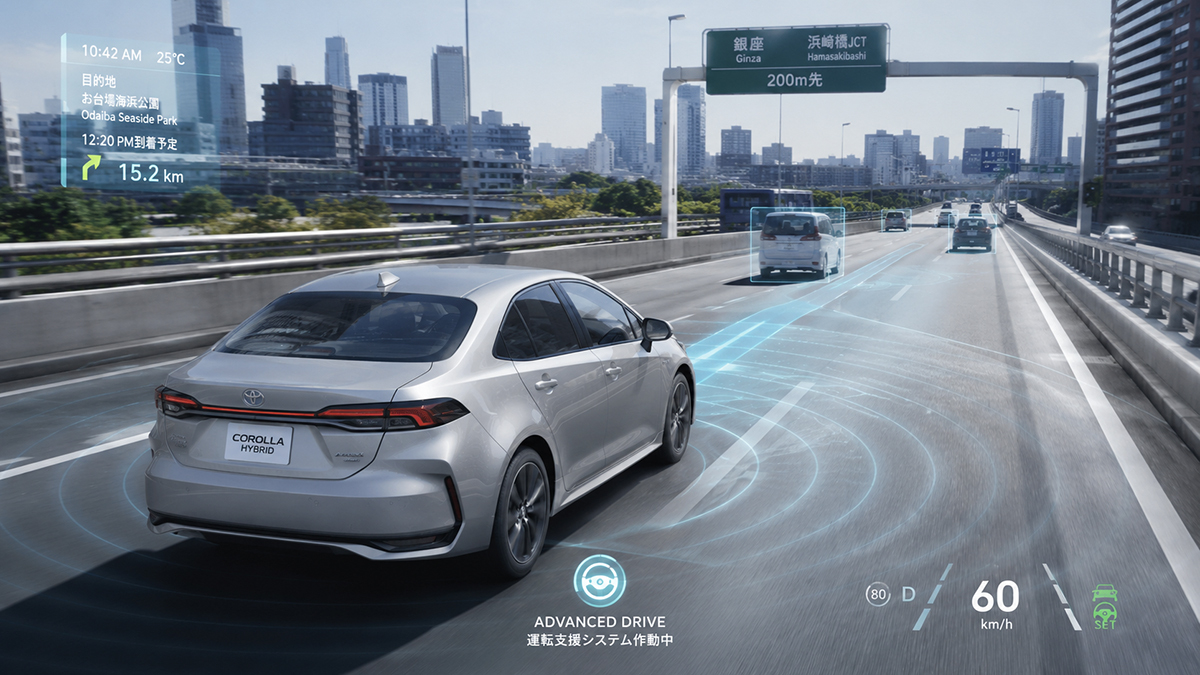
Toyota Motor announced it will begin introducing Level 2++ autonomous driving in 2028, starting with the Corol…