What happened
The World Forum for Harmonization of Vehicle Regulations at the United Nations agreed on a global regulatory framework for vehicles with fully autonomous driving systems. The framework requires manufacturers to meet strict testing, safety governance, and continuous performance monitoring standards, and is expected to enter into force in January 2027.
Why it matters
Automakers have faced fragmented national regulations that threaten to block vehicles developed for one market from entering others. This unified global standard removes that barrier and may help accelerate robotaxi rollouts, which have grown significantly—private robotaxi fleets in China and the United States combined more than doubled in 2025 to reach 8,000 vehicles across more than two dozen major cities.
What to watch
The IEA forecasts between 700,000 and 3 million robotaxis will operate in 40 to 80 major cities by 2035. The new framework was backed by all major auto markets including the United States, China, the European Union, Japan, and Britain, and some manufacturers are already preparing for implementation.
Summaries like this, in your inbox every morning.
Pick your industry and the AI tools you use, and get news related to your work every day.
Free · 30 seconds with Google · unsubscribe anytimeWhat is AIToday? →
Ask AI anything about this article. The AI reads this article, earlier AIToday articles, and Wikipedia, and cites its sources. Q&As are published on this page for other readers too.
JR Central announced the S0系 on October 16, its first full model change since the N700S, with commercial servi…

The Air Force upgraded the X-62 VISTA with advanced radar, expanded sensors and computing, and modern network…

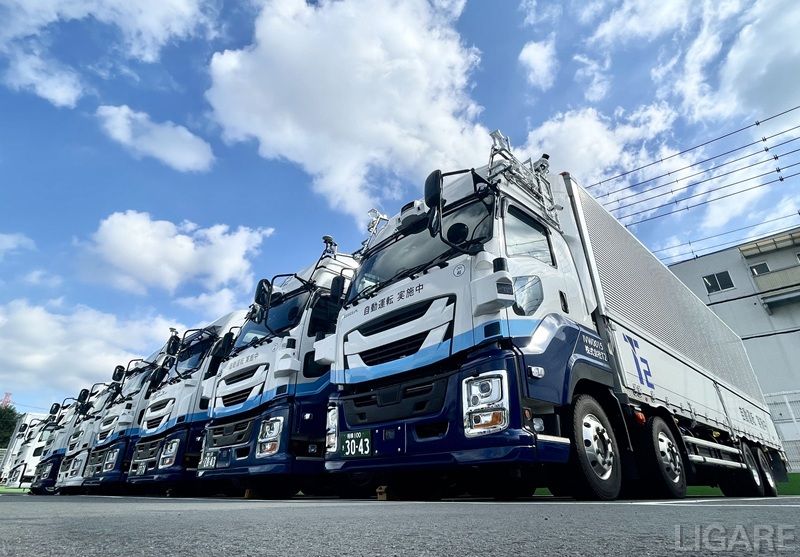
T2 said it will join ENEOS and others in the Agency for Natural Resources and Energy's demonstration project f…
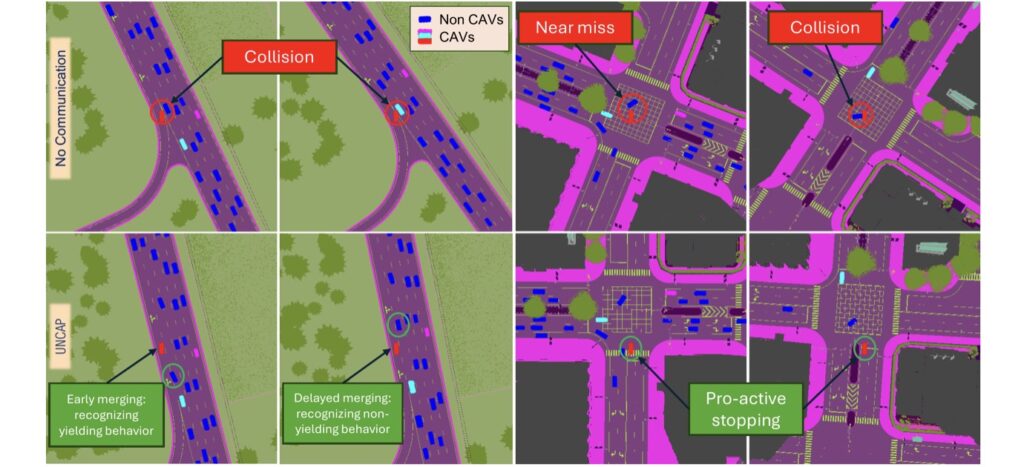
Researchers present neurosymbolic planning using natural language communication for cooperative autonomous veh…
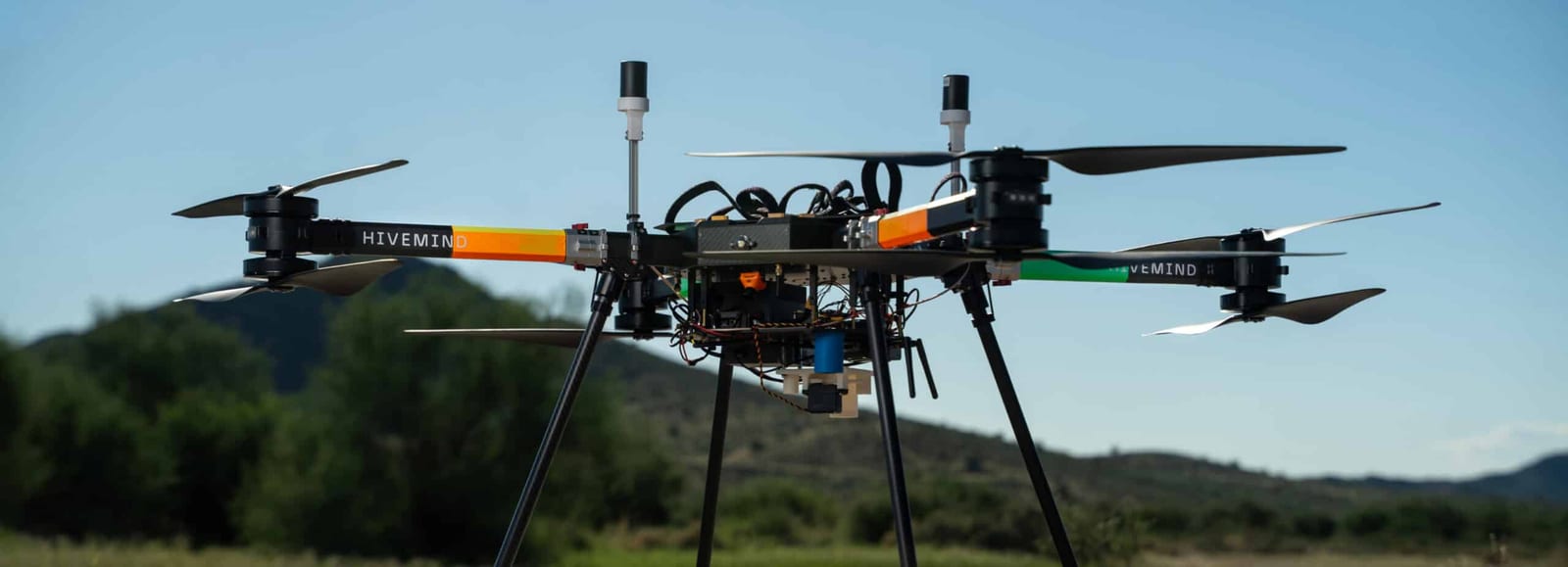
Honeywell Aerospace flew a BFD-SE8 autonomously in mid-June, six weeks after starting Shield AI's Hivemind Ent…
Sony will exhibit at CEATEC 2026, held October 13–16 at Makuhari Messe in Chiba, under the theme "Where Ideas…