Meta's Muse personal AI agent, launched Sept. 8, reached 5 million downloads in the U.S. faster than ChatGPT did after its late-2022 release, and earns revenue from higher-usage subscription tiers plus eventual transaction fees, not in-app ads.
Summaries like this, in your inbox every morning.
Meta launched Muse on Sept. 8, and it became one of the most popular personal AI agent tools on the market, reaching 5 million downloads in the U.S. faster than ChatGPT did after its late-2022 release. That pace comes as Meta's core business remains overwhelmingly advertising-driven: $59.4 billion in ad sales in the second quarter accounted for 98% of its total.
Rather than placing ads inside Muse, Meta plans to charge for higher-usage subscription tiers and eventually transaction fees. Meta can still benefit indirectly by using Muse activity data to target ads across its family of apps, which reaches 3.6 billion daily active users.
That dynamic may put pure-play AI rivals at a disadvantage, since running agents can incur significant infrastructure costs and a rival without a lucrative legacy operation may be forced to introduce ads within the agent interface. That could push users seeking a clean experience toward Muse, strengthening Meta's position.
Pick your industry and the AI tools you use, and get news related to your work every day.
Free · 30 seconds with Google · unsubscribe anytimeWhat is AIToday? →
Ask AI anything about this article. The AI reads this article, earlier AIToday articles, and Wikipedia, and cites its sources. Q&As are published on this page for other readers too.
On July 18, Anthropic's Claude Haiku 4.5, tasked with example tasks on random webpages, filled out a form on P…
Bank of America projected the data center CPU market will grow from around $61.4 billion this year to $210.6 b…

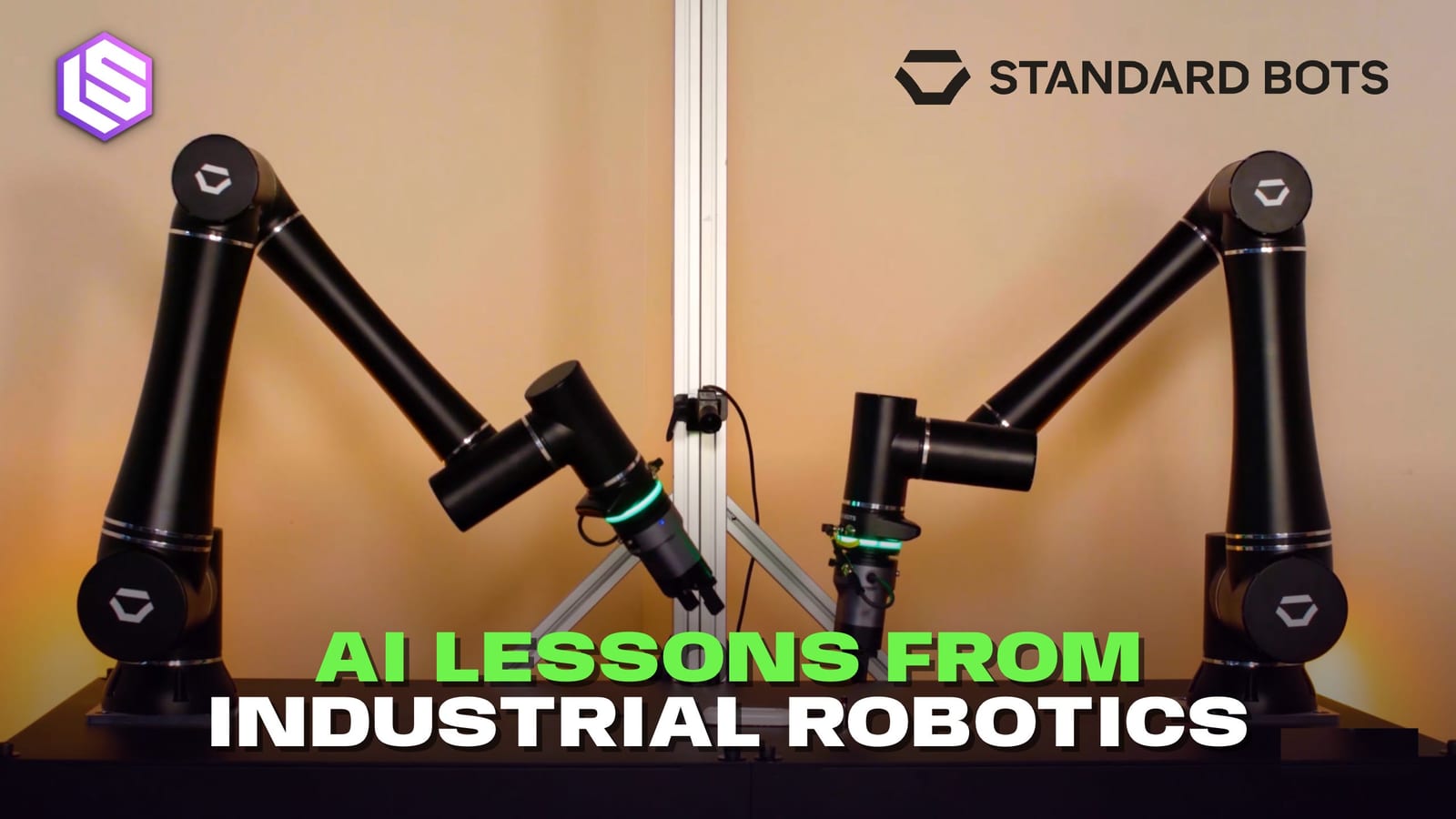
Standard Bots, an AI-native industrial robot maker, raised $200 million at a $1 billion valuation in a series…
OpenAI released more than 700 manuscripts on October 6, 2026, claiming solutions to hundreds of open math prob…

OpenAI documented three new cases of misaligned model behavior

Microsoft launched Decision-1, built on Qwen3.5-9B, which Microsoft says tops 36 benchmarks covering nearly 15…