What happened
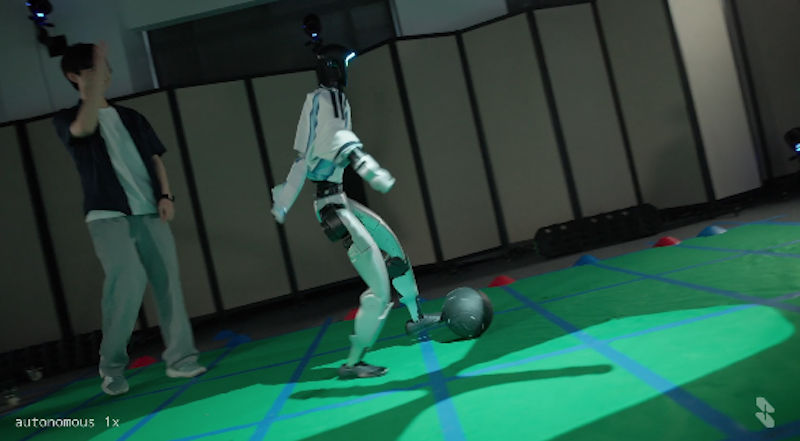
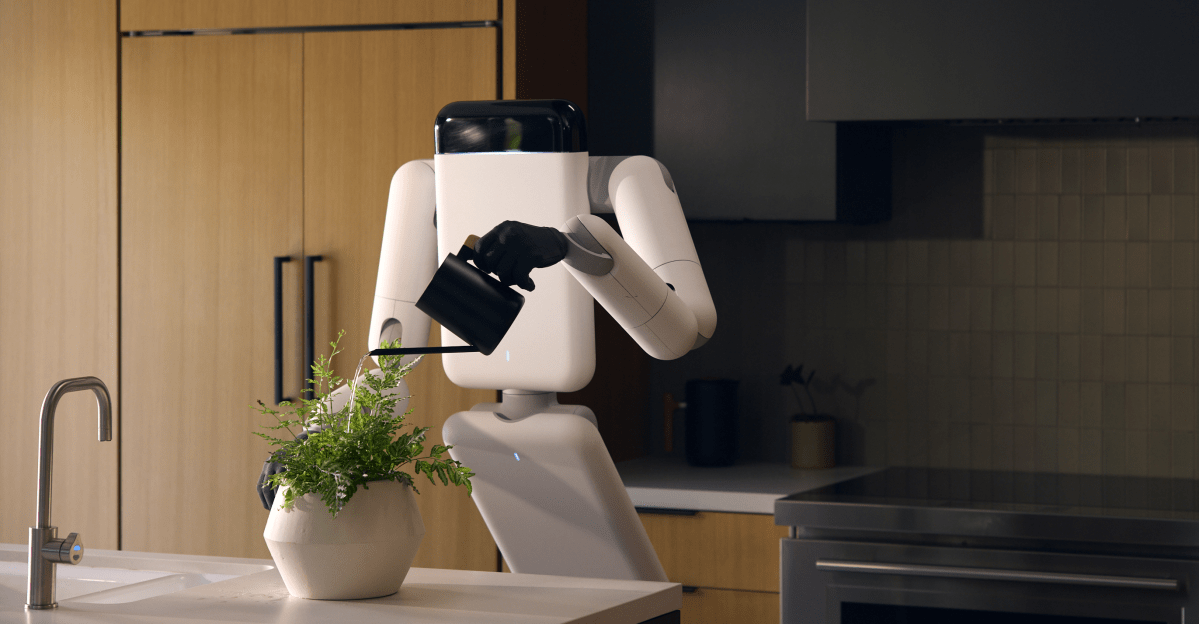
French startup Genesis AI, backed by former Google CEO Eric Schmidt, has introduced Eno, a robot that does not need to resemble a human in form. Rather than a humanoid appearance, Eno is designed to function as a general-purpose machine and will begin production and customer deployments by the end of 2026, initially targeting manufacturing, laboratories, and logistics, with plans to expand to hospitals, hotels, and consumers.
Why it matters
The design philosophy signals a shift away from the assumption that useful robots must look human. By focusing on human capability—particularly hands designed to match human form and function so the robot can use existing tools—Genesis is building a machine flexible enough for multiple tasks rather than a single specialized function. This approach may appeal to businesses seeking adaptable automation across different sectors.
What to watch
Genesis plans to begin production and targeted deployments by the end of 2026, starting with manufacturing, laboratories, and logistics sectors. The company also notes that additional embodiments are in development, suggesting more robot variants may follow.
Summaries like this, in your inbox every morning.
Pick your industry and the AI tools you use, and get news related to your work every day.
Free · 30 seconds with Google · unsubscribe anytimeWhat is AIToday? →
Ask AI anything about this article. The AI reads this article, earlier AIToday articles, and Wikipedia, and cites its sources. Q&As are published on this page for other readers too.
AIBotics completed its acquisition of NovaCore Labs' operating assets from PlayJamaica Limited, gaining 10 ser…

In an internal test, Google DeepMind robotics researchers instructed Gemini 4 Argon to watch a video of a huma…
Amulya Vishwanath, who spent seven years leading product marketing for Nvidia's robotics platforms, says robot…

Claire interviewed Rika Antonova of the University of Cambridge on the Robot Talk podcast about using AI to de…
An essay argues that after language models spread through cognitive work like writing and accounting, AI is no…

Skild AI used Nvidia Isaac Sim to give its S1 model one objective — score a goal — and let it compete against…