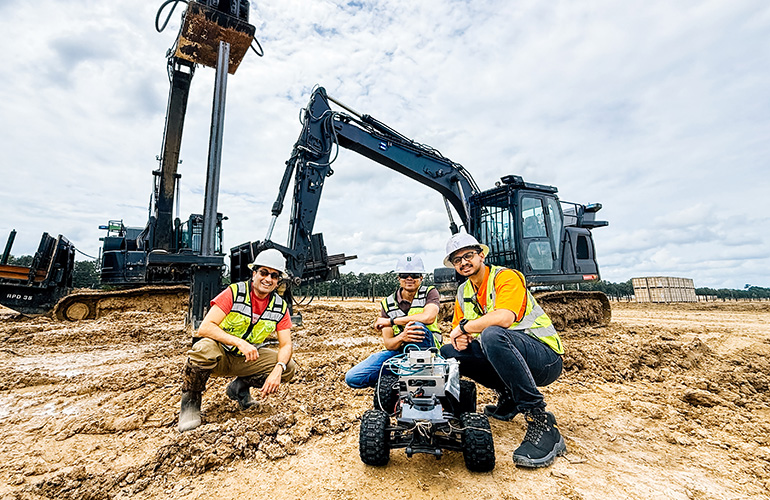
What happened
Built Robotics and Penn's Safe Autonomous Systems Lab (xLAB) will collaborate to build AI models for construction robotics. Built will deploy survey robots equipped with sensors on active solar projects to gather data; xLAB researchers will analyze this data to improve AI detection of humans and hazards in construction environments. The initial phase will focus on Built's edge AI model for personnel detection across a fleet of construction survey robots.
Why it matters
Construction is one of the most demanding environments for autonomous systems because robots must safely coexist with hundreds of workers across thousands of acres in unpredictable conditions. By systematically collecting data on edge cases—unusual body poses, occlusions, odd lighting, unexpected human behavior—the collaboration aims to train AI models capable of detecting dangers that humans might miss, addressing a core safety challenge in physical AI deployment.
What to watch
The research will expand beyond Built's current piling and solar work to other vehicle platforms and construction activities. Built has amassed more than 50,000 hours of operations and installed more than 3 gigawatts of solar across 40+ deployed sites, giving the partnership a substantial real-world dataset to build from.
Summaries like this, in your inbox every morning.
Pick your industry and the AI tools you use, and get news related to your work every day.
Free · 30 seconds with Google · unsubscribe anytimeWhat is AIToday? →
Ask AI anything about this article. The AI reads this article, earlier AIToday articles, and Wikipedia, and cites its sources. Q&As are published on this page for other readers too.
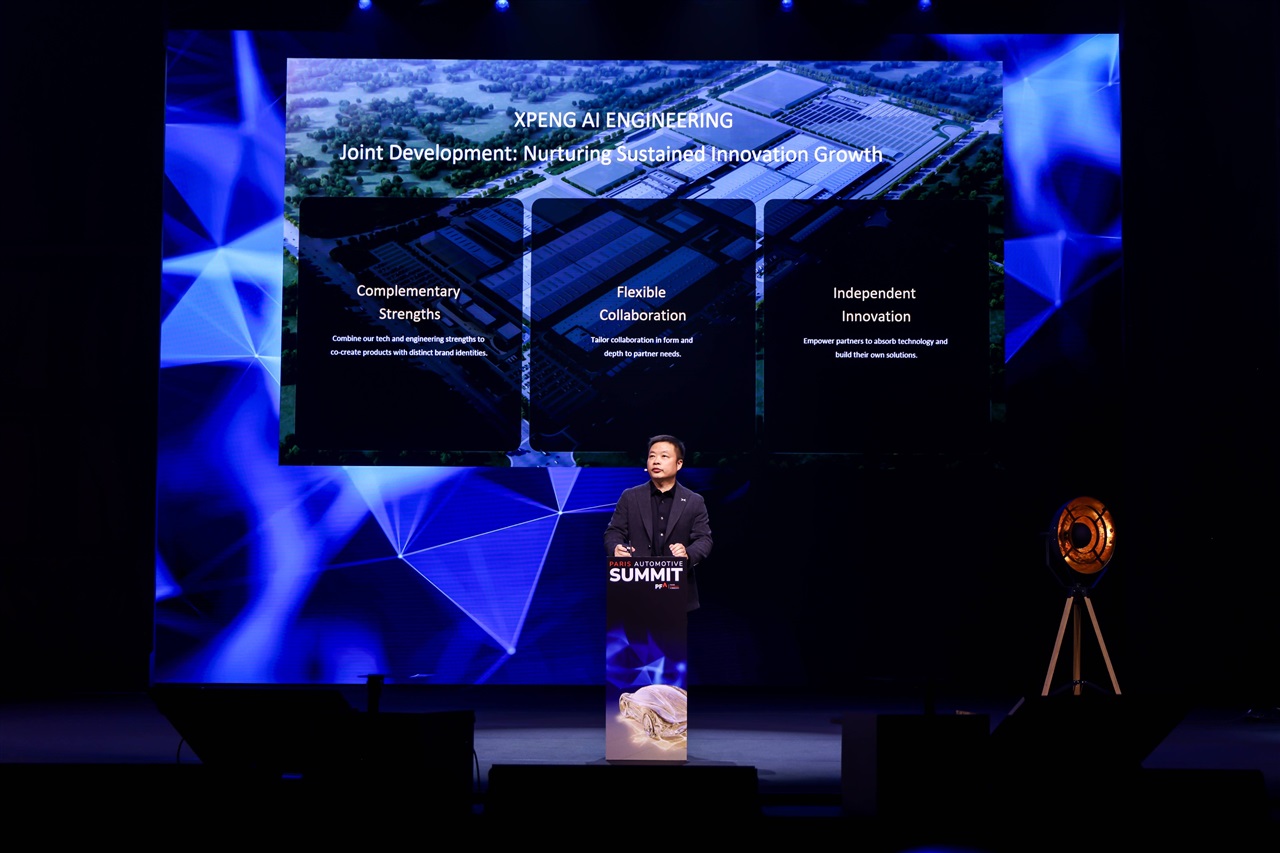
XPeng appeared at the Paris Automotive Summit, presenting not only automotive expertise but a broader technolo…
AIBotics completed its acquisition of NovaCore Labs' operating assets from PlayJamaica Limited, gaining 10 ser…

In an internal test, Google DeepMind robotics researchers instructed Gemini 4 Argon to watch a video of a huma…
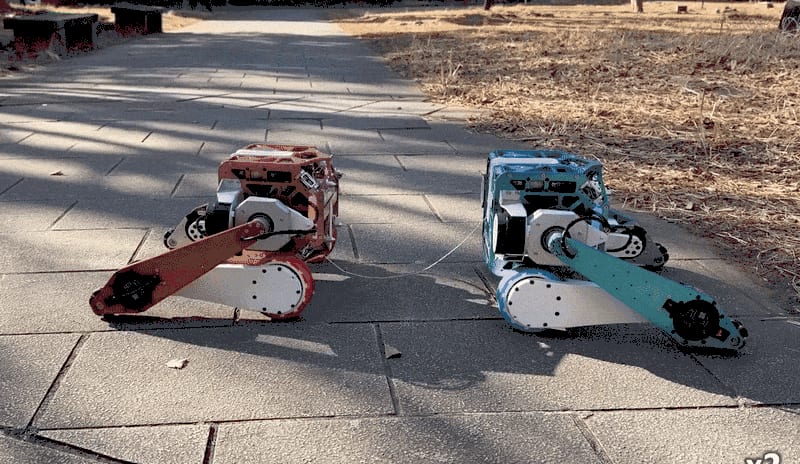
Amulya Vishwanath, who spent seven years leading product marketing for Nvidia's robotics platforms, says robot…

Claire interviewed Rika Antonova of the University of Cambridge on the Robot Talk podcast about using AI to de…

An essay argues that after language models spread through cognitive work like writing and accounting, AI is no…


