AIToday

Johnson & Johnson Funds AI Surgery Tools to Reduce Errors, Speed Training

Top Companies AI — US (1/2)3h ago
Johnson & Johnson Funds AI Surgery Tools to Reduce Errors, Speed Training

Key takeaway

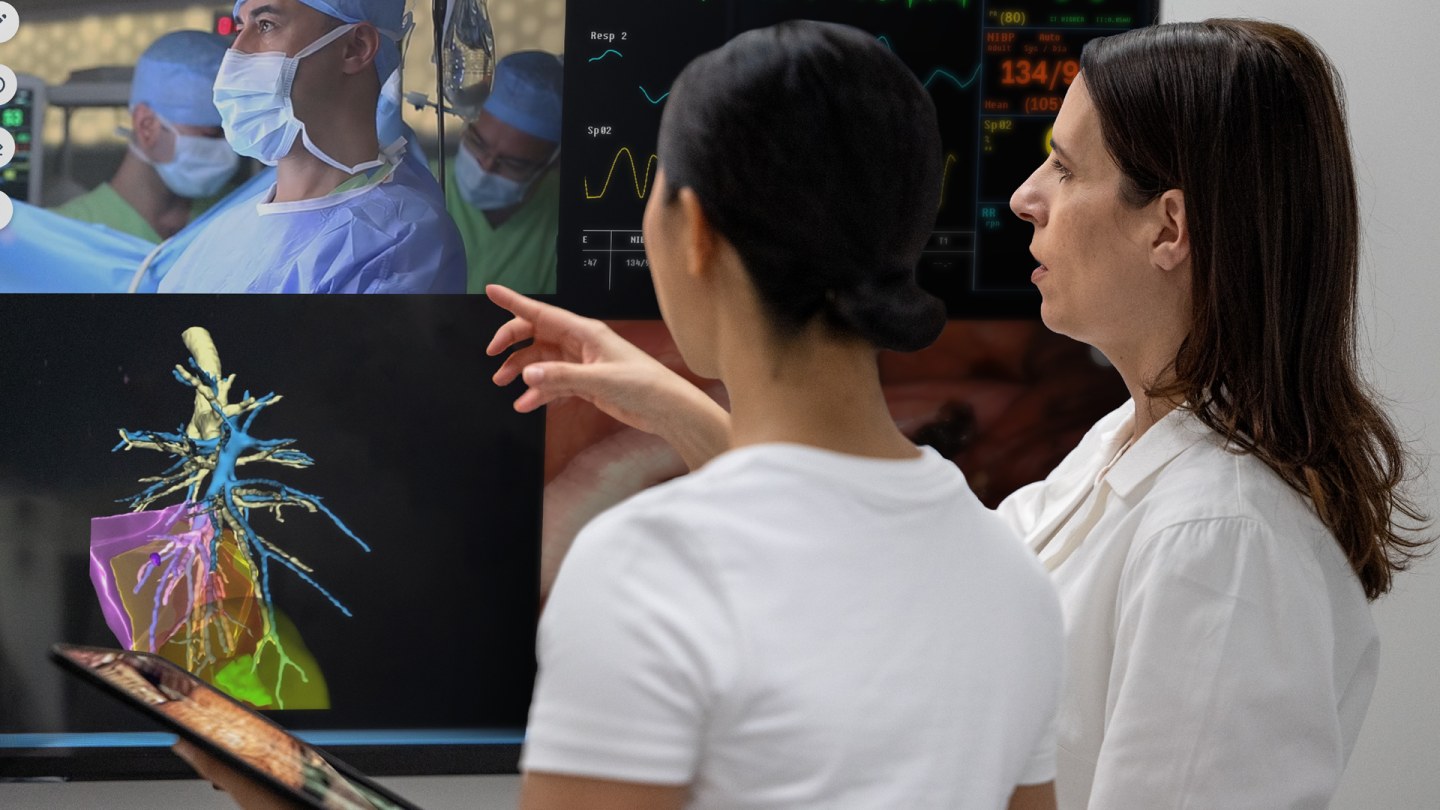
Johnson & Johnson's 2026 Polyphonic AI Fund for Surgery QuickFire Challenge is backing AI-powered tools designed to connect operating rooms and reduce surgical variability. The selected innovations include SurgiMeasure, which uses computer vision to measure anatomical distances in real time and alert surgeons when they approach sensitive tissue, and C1DO1, an experiential learning platform that reviews surgical videos and provides feedback to accelerate surgeon skill development. By sharing surgical data and insights across operating rooms rather than keeping them isolated, these tools aim to help surgeons make better decisions and improve patient outcomes at scale.

Summaries like this, in your inbox every morning.

Sign up free →

3 Key Points

  • What happened

    Johnson & Johnson's Polyphonic AI Fund for Surgery QuickFire Challenge selected awardees developing AI tools for the operating room in 2026. Winners include Curium Life's SurgiMeasure (a real-time anatomical measurement tool using computer vision and depth algorithms), the C1DO1 experiential learning platform (which uses AI and computer vision to review surgical videos and provide personalized feedback), and iQ Surgical's AI copilot for the operating room.

  • Why it matters

    Surgical knowledge has historically stayed isolated within individual operating rooms, limiting the ability to share insights and reduce variability in patient outcomes. Polyphonic connects surgical data, video, devices and AI insights into a single layer so healthcare teams can collaborate more effectively. The selected innovations aim to help surgeons work smarter and safer—SurgiMeasure acts like a parking assistant warning surgeons when they approach sensitive anatomy, while C1DO1 can help surgeons reach mastery in 10 to 20 cases rather than the hundreds typically required.

  • What to watch

    C1DO1 is designed to accumulate information over time so it can provide increasingly personalized assessments; Dr. Varas is exploring how to extend the platform beyond surgeons to nurses, physical therapists and other healthcare professionals. The selected innovations may integrate with Polyphonic's open digital ecosystem to bring AI solutions into operating rooms globally.

In Depth

Johnson & Johnson's Polyphonic™ digital ecosystem for surgery has been developed to address a longstanding problem in medicine: surgical knowledge and insights remain isolated within individual operating rooms. The company is investing in artificial intelligence through its Polyphonic AI Fund for Surgery QuickFire Challenge, which invites researchers, startups, healthcare institutions and established companies to submit AI-powered proposals that tackle real clinical problems at scale. Selected awardees receive funding, mentorship and technical support to accelerate development. According to Raymond Fryrear II, Vice President and Chief Scientific Officer of Polyphonic at Johnson & Johnson, the initiative exists to close "the gap between cool demos and those that actually change practice in the OR."

Curium Life's SurgiMeasure, founded by Dr. Vinayak Rengan, a pediatric and neonatal surgeon with 10 years of experience, uses a combination of computer vision, deep learning and depth algorithms to convert surgical video into structured geometric data. The tool measures anatomical distances during laparoscopic and robotic surgeries—a task historically requiring surgeon intuition and experience. Dr. Rengan explains that in procedures like hysterectomy, the ureter (a thin tube about the thickness of a phone charger cable) sits behind the uterus, and even highly skilled surgeons risk nicking it with their instruments. SurgiMeasure is designed to function "like a glorified parking assist, where it starts beeping when you get too close to another car," alerting surgeons before they approach sensitive anatomy. The concept originated in 2016 when Dr. Rengan, then a surgical resident, realized that some surgeons are much better than others at identifying complications before they occur, regardless of training duration. This insight led him to ask: "What if we were able to bring in that kind of experience for every procedure in every operating room?"

C1DO1, launched in 2019 by Dr. Julián Varas, a professor of surgery and head of surgical simulations at Catholic University of Chile, takes a different approach to improving surgical outcomes through education. Dr. Varas' research showed that after just 16 training sessions with detailed feedback and targeted mentoring, new surgeons performed as well as traditionally trained surgeons with five years' experience. The platform's name references William Stewart Halsted, who created the first formal surgical residency program in the U.S. in the late 1800s, and his teaching method: "See one, then I will supervise you, then you will perform the surgery on your own and finally you will return home and teach others." The C1DO1 platform works by having surgeons submit videos of themselves performing real or simulated procedures; the videos are reviewed independently by human experts and AI, and surgeons receive personalized feedback, video tutorials and procedure checklists. By accumulating information over time, the platform can continually assess a surgeon's skills and gauge improvement, significantly reducing the learning curve—helping surgeons reach mastery after 10 to 20 cases rather than the hundreds typically required. Dr. Varas sees potential to extend the platform beyond surgeons to nurses, physical therapists and other healthcare professionals.

The Polyphonic ecosystem is designed as an open digital platform that allows a broad range of partners, applications and innovations to work together. While innovations are not required to be built on Polyphonic, the QuickFire Challenge is intended to foster solutions that can benefit from and potentially integrate with the ecosystem, helping bring AI innovations into operating rooms around the world.

Context & Analysis

For years, surgical knowledge and insights remained locked within individual operating rooms, with valuable information from surgical video, device data and clinical insights difficult to share or leverage to improve care across the field. Johnson & Johnson's Polyphonic represents an attempt to break down those silos by creating a unified digital ecosystem that connects operating rooms through data and AI. Raymond Fryrear II, Vice President and Chief Scientific Officer of Polyphonic at Johnson & Johnson, frames the challenge as conducting an orchestra where "the sheet music keeps changing and the instruments are all tuned differently." The Polyphonic AI Fund for Surgery QuickFire Challenge exists to identify and fund innovations that address real clinical problems and can operate at real-world scale—innovations that historically "languish in the gap between cool demos and those that actually change practice in the OR," according to Dr. Fryrear.

The 2026 awardees reflect this focus on practical, operating-room-ready solutions. Curium Life's SurgiMeasure stems from Dr. Vinayak Rengan's frustration with guesswork in pediatric and neonatal surgery; he observed that experienced surgeons could rely on intuition to measure anatomical distances, but less experienced surgeons could not do so with the same accuracy. His tool converts surgical video into geometric data to provide objective measurements, with the end goal of emitting warnings when surgeons approach sensitive tissue. Similarly, C1DO1 emerged from Dr. Julián Varas' research showing that specialized training with detailed feedback could accelerate surgical skill; after just 16 intensive training sessions, new surgeons performed as well as traditionally trained surgeons with five years' experience. By combining Large Language Models with computer vision to review surgical videos and provide personalized feedback, C1DO1 condenses the typical learning curve from hundreds of cases to 10 to 20 cases.

FAQ

What is Johnson & Johnson's Polyphonic?
Polyphonic is an open digital ecosystem designed to connect the operating room by bringing together surgical data, video, devices and AI insights into a single layer so healthcare teams can collaborate more effectively and share insights across the surgical journey.
How does SurgiMeasure help surgeons?
SurgiMeasure uses computer vision, deep learning and depth algorithms to convert surgical video into structured geometric data, measuring anatomical distances during laparoscopic and robotic surgeries. It alerts surgeons when they approach sensitive tissue, functioning like a parking assistant by emitting a warning when the surgeon gets too close to another part of the anatomy.
How does C1DO1 accelerate surgical training?
C1DO1 reviews surgical videos submitted by surgeons and provides personalized feedback from both human experts and AI, along with video tutorials and procedure checklists. By accumulating information about a surgeon's performance over time, it helps surgeons reach mastery in 10 to 20 cases rather than the hundreds typically required.

Get the latest AI in Healthcare news every morning

AI-summarized, only the topics you pick — one digest a day via Email, Slack, or Discord.

Free · takes 30 seconds · unsubscribe anytime

Discussion

No comments yet. Be the first to share your thoughts!

Log in to join the discussion

Related Articles

Stay ahead with AI news

Get curated AI news from 200+ sources delivered daily to your inbox. Free to use.

Get Started Free

Free · takes 30 seconds · unsubscribe anytime

1 minute a day. The AI essentials.

200+ sources · Email / LINE / Slack

Get it free →