What happened
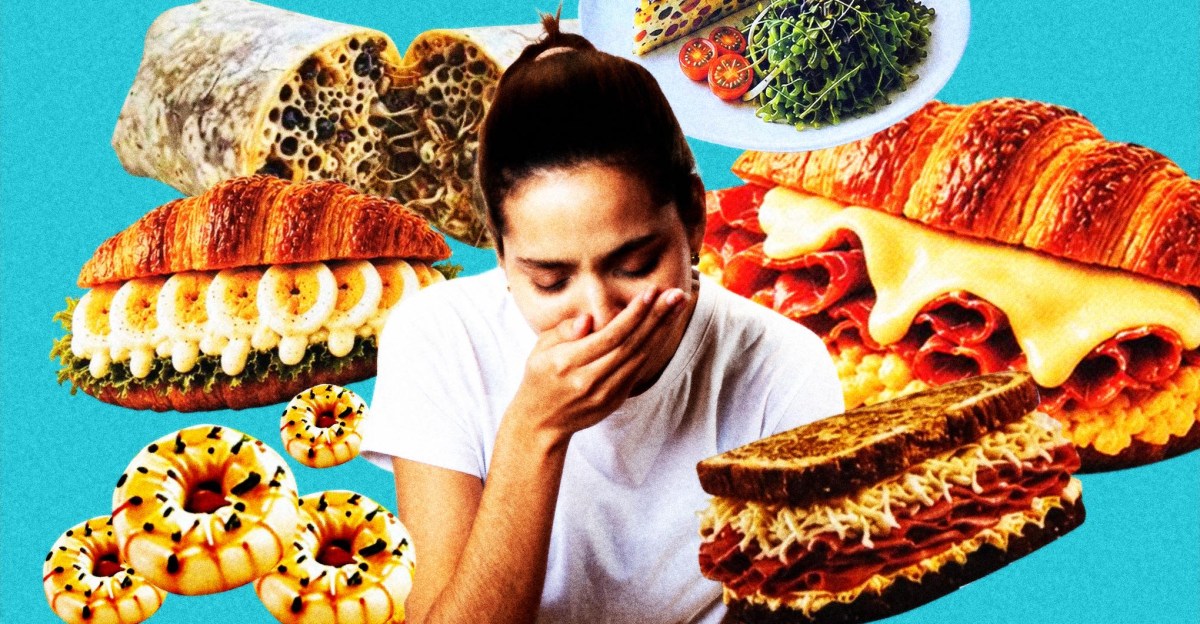
Restaurants, cafes, and brands are using AI to generate food images, but the results often look like 'slop'—for example, donut shrimp, wormlike noodles, and ice cream that resembles concrete.
Why it matters
Diffusion models (which generate images by gradually removing noise) first recover coarse structures, then add fine details—this can corrupt the basic shape early on. Also, these models 'reproduce looks without proper knowledge about the world,' so they have no idea what a sandwich or burrito actually is.
What to watch
The test is whether AI can overcome its weakness in generating the details that make food recognizable — thin, continuous, terminating structures that currently produce "spaghetti-like artifacts" and visual degeneration.
Summaries like this, every morning.
The problem begins with how diffusion models generate images. They first reconstruct broad shapes and only later fill in fine details. If the initial structure is flawed, the model paints realistic-looking textures over a wrong base. This explains why a burger might look like a rock or why noodles appear in places they should not be.
Beyond the technical process, the training data and the way models are used compound the issue. AI has no understanding of the physical world, so it mimics the glossy, stylized look of food photography without grasping what makes food appetizing. It learns from internet images, which may include few ordinary apples but many strange, memetic ones. Also, because models are now trained on AI-generated content, 'model collapse' can lead to visual degeneration and increasing sameness. When images are upscaled from low resolution, imperfections become more glaring. All these factors push AI food into the uncanny valley, where a primal sense of disgust kicks in because something about the food feels unsafe.
Pick your industry and the AI tools you use, and get news related to your work every day.
Free · 30 seconds with Google · unsubscribe anytimeWhat is AIToday? →
Ask AI anything about this article. The AI reads this article, earlier AIToday articles, and Wikipedia, and cites its sources. Q&As are published on this page for other readers too.
Canva launched Canva Craft, an AI image model that plans a design before generating it, producing images up to…
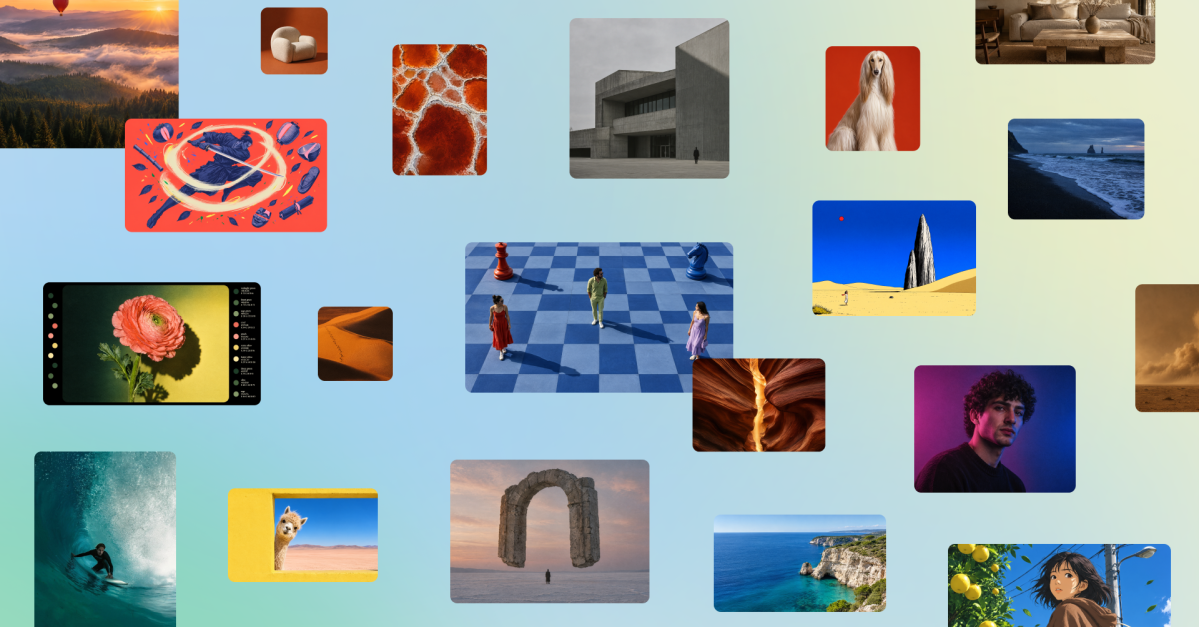
Canva released Canva Craft, its first image generation model, available to all users via the Dream Lab tab and…
Rerunning the same images and prompts that broke Gemini 3.5 Flash Lite, the developer found Gemini 4 Argon enc…
KDDI, Okinawa Cellular and KDDI Digital Life added ChatGPT 5.5, ChatGPT 5.5 Pro and ChatGPT 5.5 Thinking to po…
IronSight AI and Fast Iron announced a partnership integrating IronSight's image recognition into Fast Iron's…
Fontify's post lays out four observable contracts — input, style, layout, output — each paired with a failure…