What happened
Meta published device SDKs and firmware for Muse Gadgets under the Apache 2.0 license, so builders can run the Muse agent on ESP32 boards or Linux devices such as Raspberry Pi 5.
Why it matters
Developers get a ready base to turn standard boards into own-brand AI gadgets, rather than writing the agent layer themselves. The hardware list stays familiar, which may lower the cost of trying an idea.
What to watch
Whether the idea catalog and the 219-member online Discord community keep producing working projects, since those ideas are what the article expects to decide the platform's future.
WHO IT HITSHardware hobbyists and small device developers can now attach displays, buttons, sensors and actuators to Meta's agent through the SDKs, and Linux-device owners can hand system tasks and Home Assistant setup to Muse.
Summaries like this, in your inbox every morning.
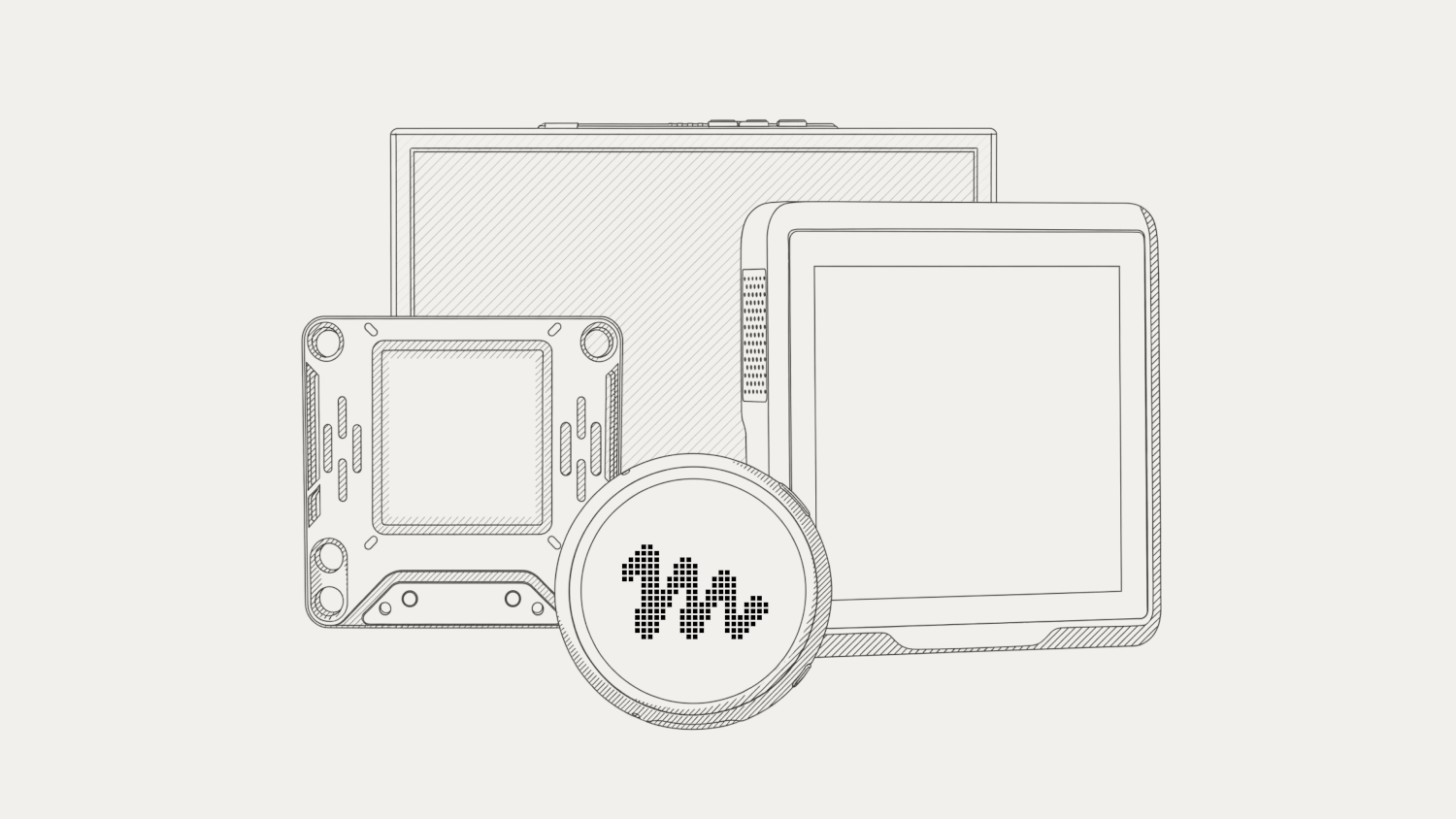
Meta's move extends Muse beyond a hosted assistant into hardware people already own. The article lays out the path step by step: pick an ESP32 board or a Linux device, connect it, get an SDK token, then choose one of the provided project ideas — or customize it, or write support for a new board yourself. The idea list spans a Raspberry Pi 5 for Home Assistant and other Linux apps, a Waveshare ESP32-S3-Touch-AMOLED-1.75C with a 1.75-inch AMOLED touchscreen plus push-to-talk, speaker, mic and battery, a stick device for a TV's HDMI port, a Seeed reTerminal E1002 with a color e-paper display for morning briefings and shopping lists, an M5Stack StickS3, an AiPi Lite desktop companion, an ideaspark ESP32 with a 1.9-inch display, and the Home Assistant Voice Preview Edition.
The licensing and community layers are part of the same pitch. The device SDK and firmware are under Apache 2.0, and developers are encouraged to contribute improvements. A Discord community is where builders share inspiration, support each other and show off their work, with 219 members online at the time of writing. Coverage from outlets including Engadget and The Verge is described as broadly intrigued.
The article's own reading of what comes next is that the vitality of community project ideas will decide how this goes. That puts the hinge on participation rather than on the SDKs themselves: if the idea list keeps growing and people keep submitting work, the platform stays useful for anyone wanting to make a personal AI gadget from common boards.
Pick your industry and the AI tools you use, and get news related to your work every day.
Free · 30 seconds with Google · unsubscribe anytimeWhat is AIToday? →
Ask AI anything about this article. The AI reads this article, earlier AIToday articles, and Wikipedia, and cites its sources. Q&As are published on this page for other readers too.

