What happened
Google is ending Google Assistant on Android, Wear OS, tablets, headphones, and Android Auto vehicles starting September 4, 2026. The rollout could take a few weeks to reach all users, and once completed, Assistant will no longer work with no option to revert. Gemini, Google's AI-powered successor, will replace it. The original 2025 shutdown date was pushed to 2026.
Why it matters
Gemini is a probabilistic AI system, whereas the old Assistant relied on deterministic logic. This shift introduces a real test of whether a general-purpose AI can match the old Assistant's reliability for everyday tasks—controlling smart home devices or basic phone commands—where LLMs may introduce unexpected behavior.
What to watch
Google will retain Assistant for now in cars with "Google built-in" only. Gemini is also rolling out to Google TV, Google Home speakers, and smart displays—expanding its reach across Google's hardware ecosystem.
Summaries like this, in your inbox every morning.
Google's decision to retire Assistant in favor of Gemini represents a fundamental architectural shift in how the company approaches on-device AI. The original plan to retire Assistant in 2025 was postponed to 2026, signaling either additional development time or a recalibration of the rollout strategy. This consolidation strategy is not limited to mobile: Gemini is expanding across Google's hardware ecosystem, including Google TV, Google Home speakers, and smart displays, suggesting a company-wide pivot toward a unified AI interface powered by large language models.
The transition carries real operational risk. The old Assistant was built on deterministic rules—if a user said "turn on the lights," the system executed a hardcoded action. Gemini, as a probabilistic AI, generates responses based on learned patterns, which introduces variability. While this flexibility enables richer conversational ability, it also raises the stakes for reliability in safety-critical or repetitive use cases. The body itself flags this tension: whether Gemini can match the old Assistant's dependability for simple, frequent tasks remains an open question, and LLM quirks could disrupt basic workflows.
Pick your industry and the AI tools you use, and get news related to your work every day.
Free · 30 seconds with Google · unsubscribe anytimeWhat is AIToday? →
Ask AI anything about this article. The AI reads this article, earlier AIToday articles, and Wikipedia, and cites its sources. Q&As are published on this page for other readers too.
Chunghwa Telecom president Rong-shy Lin said the shift from conversational AI to autonomous AI agents is resha…
CoreWeave fell 5% in premarket trading Friday and was on track to finish the week down 15%, after rebounding f…
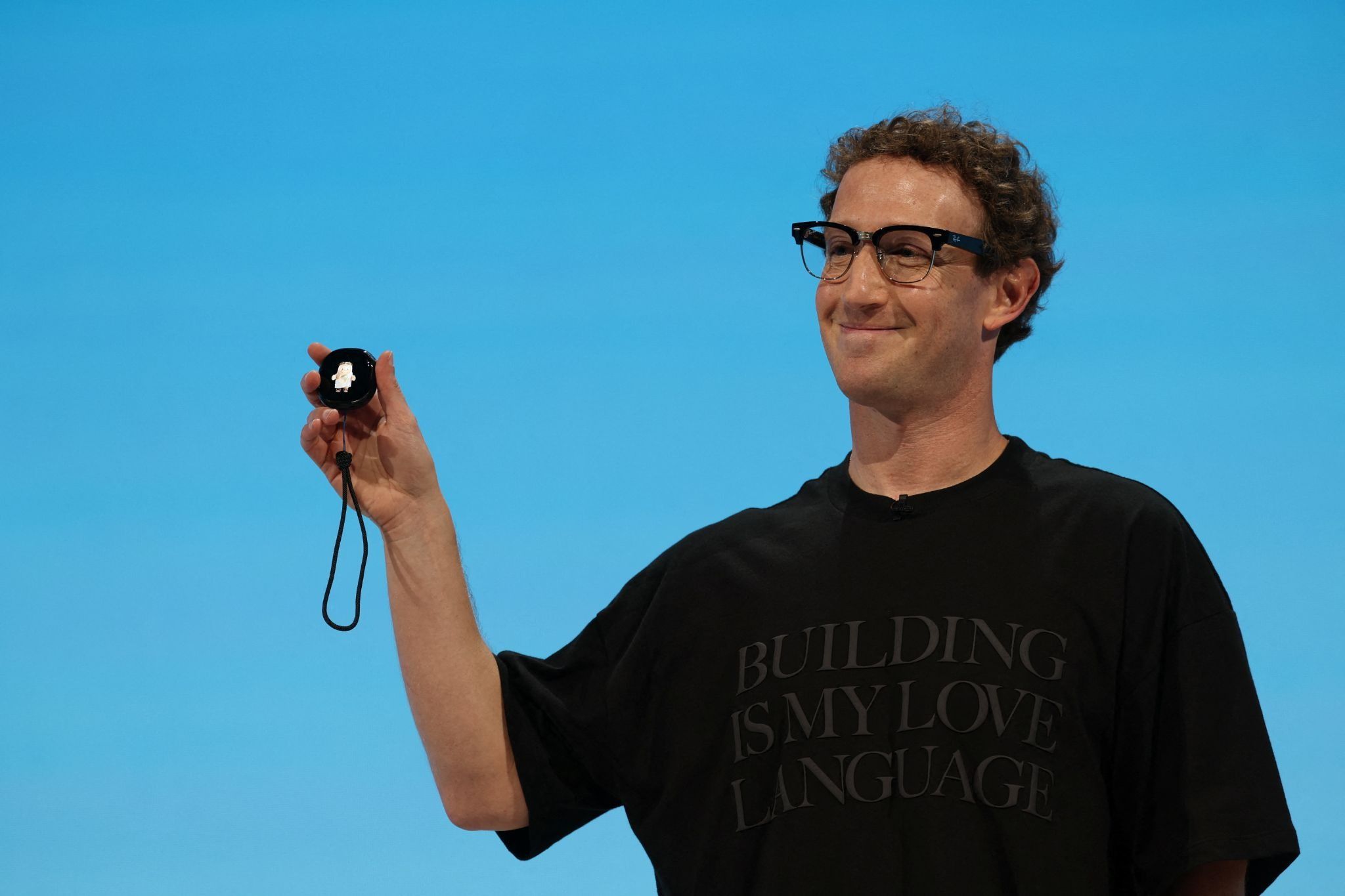
Apple and Meta said they would jointly release a new open-weight AI model designed to run on high-end Macs, ai…
Investors put $38.5 billion into Asian startups in Q3, per Crunchbase data
A writer and entrepreneur opened his daily to-do list and found 156 items, and concluded that an AI assistant…

A longtime Anthropic investor told Fortune he expects shares priced around $1.8 trillion, below the company's…