What happened
OpenAI released GPT-6.2 as two models — Astra for the hardest work and Sol for daily tasks — with Astra for Law ranking #1 across an evaluation spanning 24 legal fields.
Why it matters
The split signals that choosing where to apply each model matters more than picking the single best one, so the trade-off between top-tier and everyday performance is now a routing decision.
Summaries like this, every morning.
OpenAI's decision to ship GPT-6.2 as two distinct models — Astra and Sol — marks a shift from the pattern of releasing a single flagship and letting users decide how to apply it. The framing OpenAI offers is medical: Astra is the specialist for difficult cases, Sol the general practitioner for routine questions. That analogy carries a practical implication: most daily work does not need the most powerful model, and matching the model to the task may matter more than raw benchmark leadership.
The Astra for Law variant, which OpenAI says ranked #1 across an evaluation spanning 24 legal fields, extends this logic into a specific profession. Legal work often involves contract review and other tasks where errors are costly, making it a natural fit for a specialized model rather than a general-purpose one. Access is limited to companies already using ChatGPT Enterprise, who can apply to use it.
The broader takeaway from the announcement is that model selection is becoming a routing decision. OpenAI's own positioning suggests that pairing high-end models with everyday ones — rather than defaulting to the most capable option for every task — is the intended pattern. How that plays out in pricing and day-to-day workflows is not detailed in the announcement.
Pick your industry and the AI tools you use, and get news related to your work every day.
Free · 30 seconds with Google · unsubscribe anytimeWhat is AIToday? →
Ask AI anything about this article. The AI reads this article, earlier AIToday articles, and Wikipedia, and cites its sources. Q&As are published on this page for other readers too.
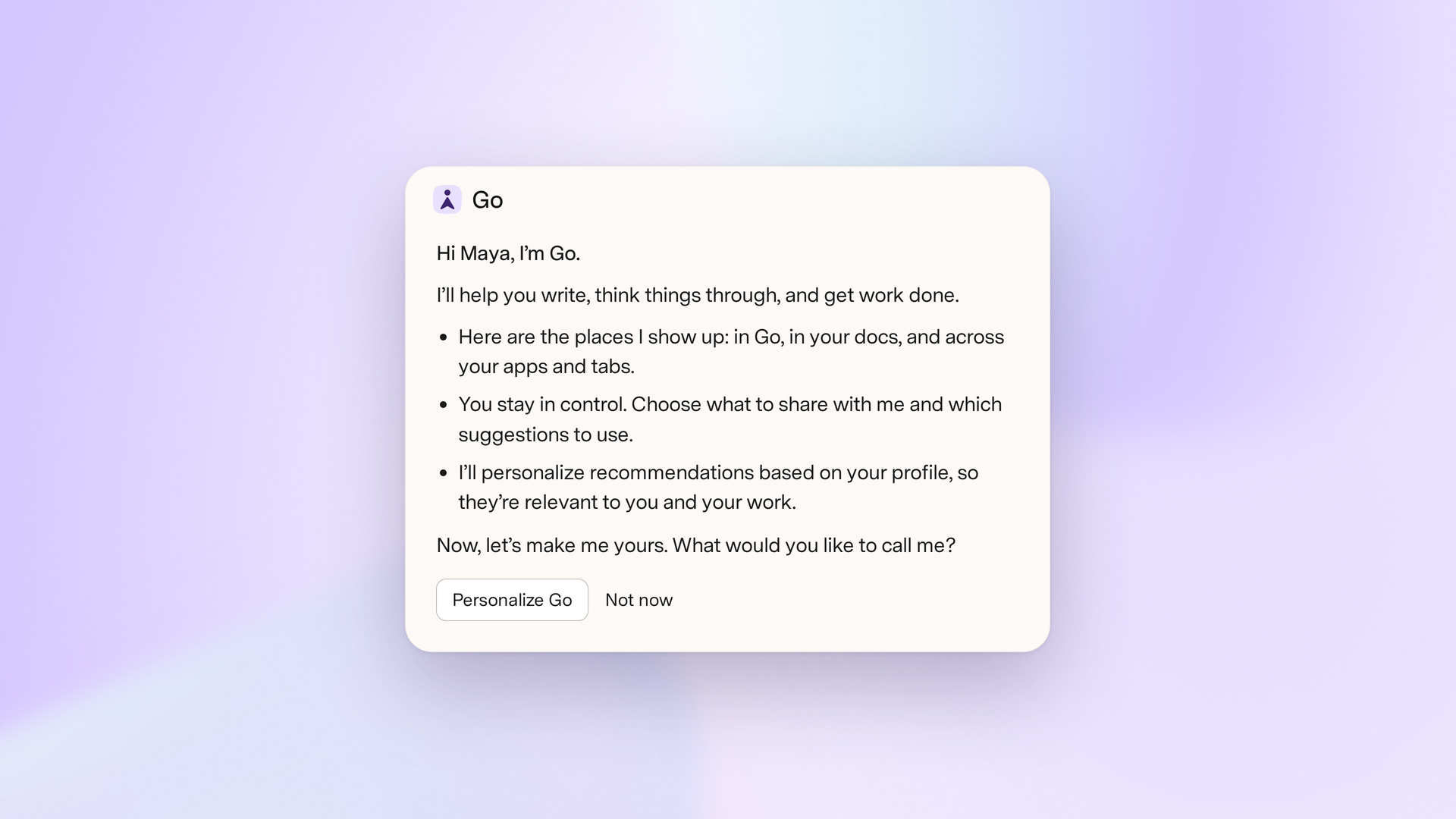
Superhuman, formerly Grammarly, added a personalized assistant to its Go multi-agent platform that works acros…
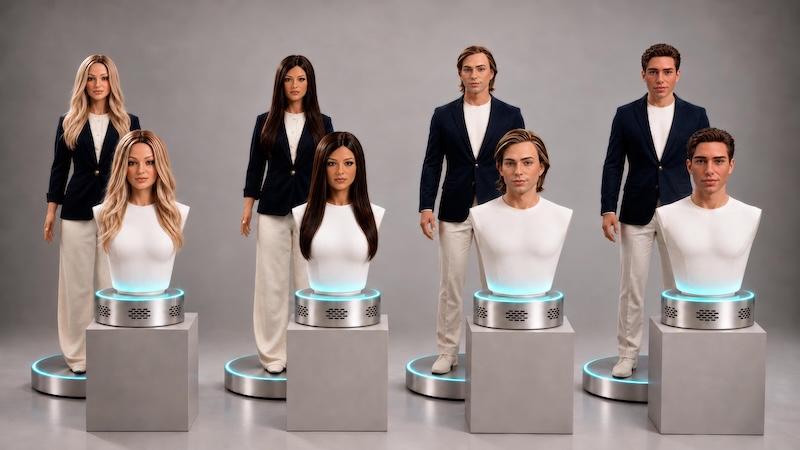
Realbotix launched two Echo humanoid robots — the $11,950 Echo Tabletop with 17 degrees of freedom and the $59…
Anthropic priced its IPO at $83 per share, above its initially indicated $70 to $78 range, and is expected to…
Alibaba CEO Eddie Wu said on the company's earnings call that the next Qwen AI model is being developed using…
Linq raised $90 million in a Series B led by Andreessen Horowitz at a $1 billion valuation, lifting total fund…

Anthropic's IPO is poised to raise billions, with Amazon and Google holding stakes valued around a combined $3…