What happened
Ant's inclusionAI released Ming-Image-0.2-Design on Nov 26 under the MIT license, a 6B model it says improves complex composition, light and shadow, and text rendering; the company's own initial evaluation ranks it #1 among open-weight models.
Why it matters
For design work, the hard part is outside the image — exact copy, layout, and editable files — so designers should test whether text is character-accurate and layers can be reused before adopting it, per the author's view.
WHO IT HITSDesign teams and e-commerce image producers evaluating open-weight image generators for product hero images, UI mockups, and transparent-layer assets are the direct audience; they will need to run a local acceptance test before relying on it in production.
Summaries like this, every morning.
The release arrives with the design-image space increasingly judged on whether output can be edited and implemented, not just whether it looks good. Ant's own model card frames Ming-Image-0.2-Design around complex layouts, lighting, and text rendering, and the README splits the work into two tasks: generating images with text or transparent backgrounds, and using the older Layer weights to break a flat design into separate editable RGBA layers. That split matters because the new model does not, on its own, produce layered files.
The practical setup is also heavier than a casual try-out. The README specifies Python 3.10+, CUDA-capable PyTorch, and a single GPU with at least 80 GiB of VRAM in BF16, with defaults of 12 steps, CFG 1.0, and 2048×2048 resolution. For teams weighing local deployment against API calls, the author's point is that the choice is about where the cost burden sits — VRAM, maintenance, and idle time versus per-call fees and data transfer — not about free weights being strictly cheaper.
A workflow the author highlights places prompt enhancement outside the image model, using a text model to rewrite briefs into structured prompts before generation. The same logic applies to acceptance: record the original brief, the rewritten prompt, the model version, and whether the result passed, so that rework can be traced to an ambiguous requirement, a bad rewrite, or a model that ignored instructions. MiniMax's H3 Family pricing, cited as parallel context, is per-second for video and is not directly convertible to Ming's per-image cost.
Pick your industry and the AI tools you use, and get news related to your work every day.
Free · 30 seconds with Google · unsubscribe anytimeWhat is AIToday? →
Ask AI anything about this article. The AI reads this article, earlier AIToday articles, and Wikipedia, and cites its sources. Q&As are published on this page for other readers too.
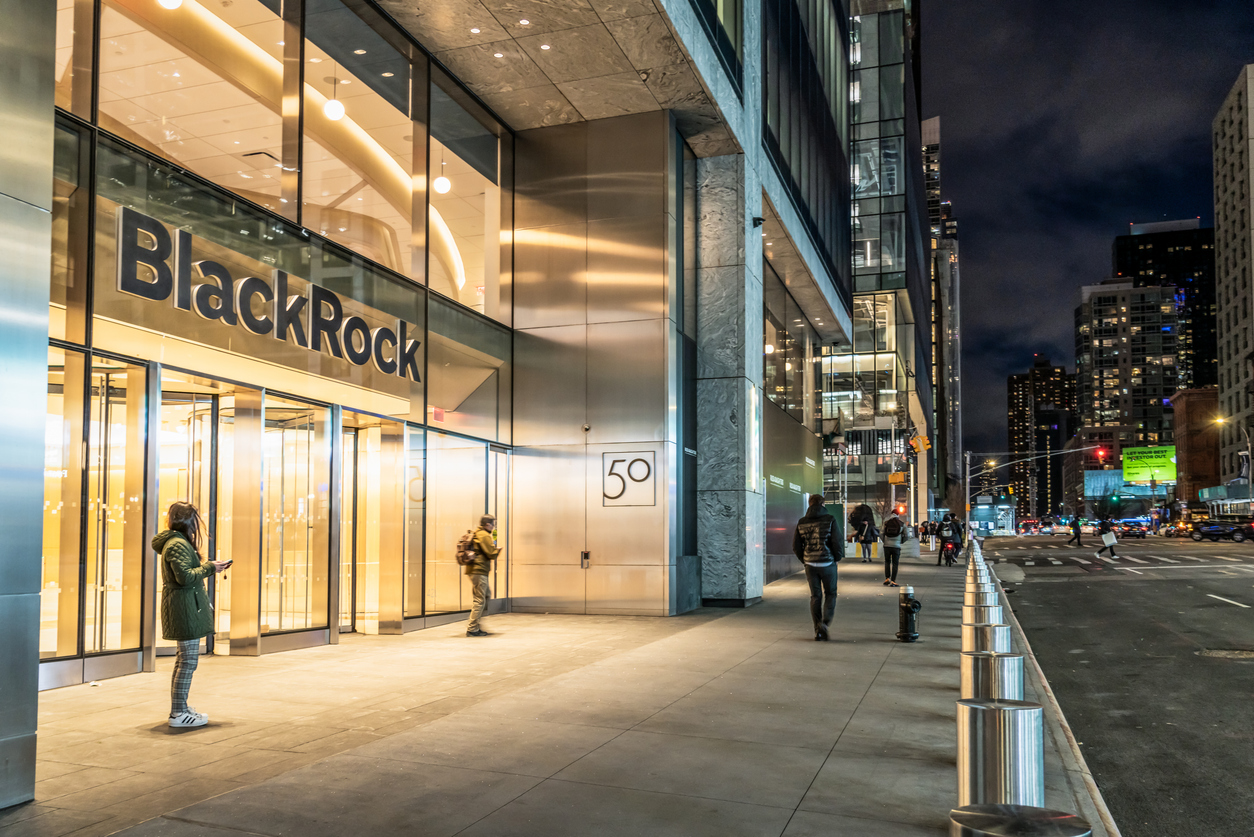
At BlackRock's 19 November media event, Aladdin engineering head Martin Syms said "80 of the examples out of 1…
Salesforce published an executive guide, How to Lead an Agentic Marketing Department, urging CMOs to move past…

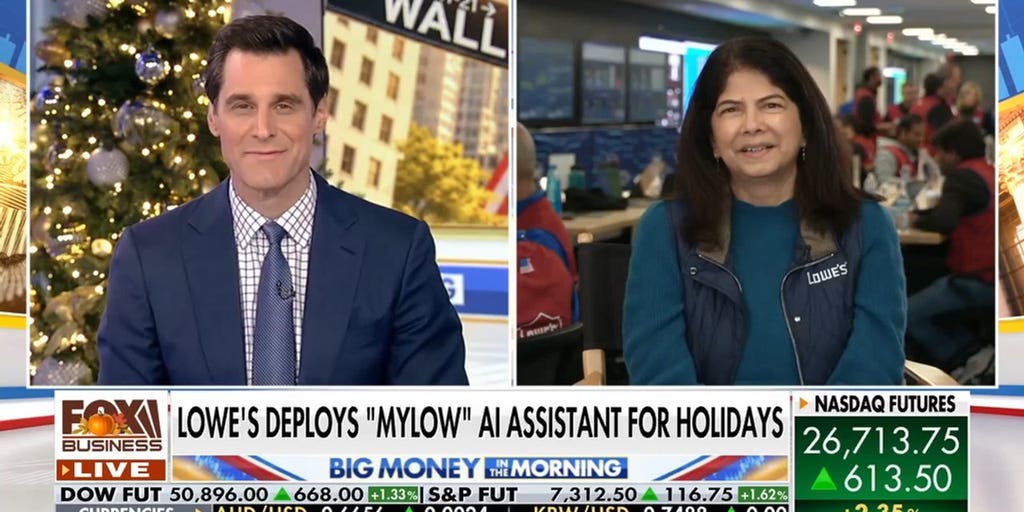
Lowe's AI chief said customers are using AI agents in the 'most innovative' ways, Fox News reported

Lowe's has deployed an AI assistant called MyLow to support customers during the holiday shopping season
Techzine Global reports that ServiceNow is aiming to keep AI agents secure and under control

IBM says AI agents — software that shops on a person's behalf — are heading to checkout this Black Friday