What happened
The State Department's Northstar AI tool, which summarizes media and translates content, has cut a task that took embassy employees four to six hours a day to less than 30 minutes, according to deputy chief data and AI officer Paula Osborn.
Why it matters
Data leaders from the State Department and ServiceNow argue that scaling AI in federal agencies depends more on mission alignment, governance, and workflow design than on technology alone, highlighting that "real governance is embedded architecture."
What to watch
The department is scaling AI through programs like the AI Champions Program, which trains employees at individual posts, and a global scaling program to expand locally developed tools. The full discussion is available at MeriTalk.
Summaries like this, in your inbox every morning.
The webinar discussion underscores that federal agencies often treat data as a technical problem, but leaders like ServiceNow's Patrick McGarry reframe it as an organizational alignment challenge. Success hinges on linking data strategies to mission outcomes, securing leadership investment, and establishing clear data ownership—elements that are frequently overlooked in AI initiatives.
The State Department's experience with Northstar illustrates the practical benefits of a mission-driven approach. By focusing on employees' pain points rather than data inventories, the department identified repetitive workflows like media monitoring and deployed AI to cut processing time dramatically. This example shows how AI can deliver tangible efficiency gains when tied to specific operational needs.
Looking ahead, the conversation points to the importance of embedding governance into workflows through role-based access, automated tagging, and audit trails, rather than treating compliance as a separate exercise. The emphasis on modular architecture and maintaining accountability—ensuring AI systems are not black boxes but "glass boxes"—suggests that sustainable scaling requires both technological flexibility and organizational readiness for responsibility.
Pick your industry and the AI tools you use, and get news related to your work every day.
Free · 30 seconds with Google · unsubscribe anytimeWhat is AIToday? →
Ask AI anything about this article. The AI reads this article, earlier AIToday articles, and Wikipedia, and cites its sources. Q&As are published on this page for other readers too.
Supermicro Computer appointed Mark Long as chief financial officer, bringing an experienced technology finance…
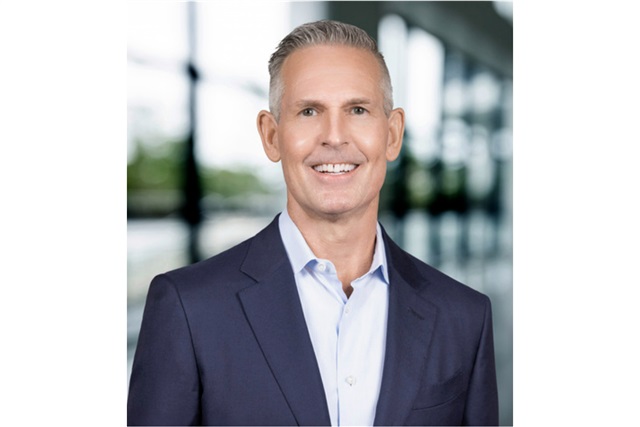
Holtek Semiconductor unveiled its 2026 product roadmap on October 15, focusing on four core areas: smart prote…
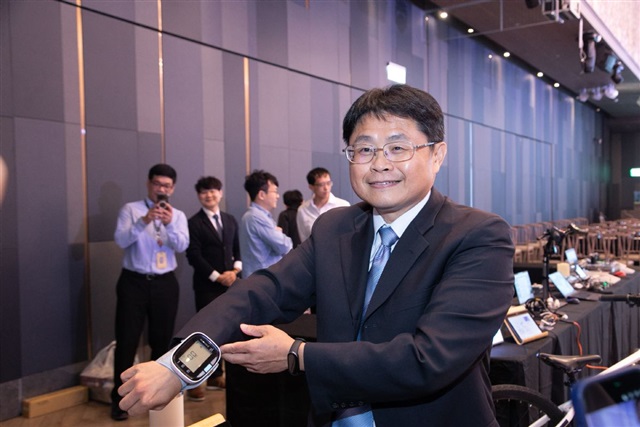
TSMC reported about NT$763.1b in Q3 net profit and confirmed that demand for advanced processors is running ah…

Nvidia-backed CoreWeave steadied Thursday after a sharp slump, as investors worried about the debt financing b…
Circlia started a proof-of-concept for TASTE SIGNAL: visitors to Holland Village Cafe FUKUOKA taste cookies an…

TOPPAN Holdings and Keio University ran a quantum-computer and generative-AI proof-of-concept from February 1…