In a Fortune commentary piece, a media-and-culture professor argues that Anthropic researcher Jacob Coxon's viral resignation warning that AI "could kill us all by the end of the decade" works as both alarm and advertising.
Summaries like this, in your inbox every morning.
The piece places today's AI-safety alarms in a lineage. In March 2023, more than 1,000 intellectual luminaries and corporate oligarchs signed an open letter warning of "profound risks to society and humanity" and calling for a moratorium on more powerful AI systems; Elon Musk and Steve Wozniak were among the signatories. The commentary notes those concerns arrived hundreds of billions of investment dollars before the latest AI-extinction panic.
The argument adds that focusing on dramatic, cinematic extinction scenarios — HAL 9000 or Skynet — obscures the slower-moving environmental costs of AI in electricity, water, and other resources, and the cognitive attrition in education as students hand off thinking to AI. As the piece puts it, outsourcing thought to AI may leave people able to do less, a deskilling it treats as more fundamentally human than what earlier automation took.
It also ties the sales pitch to national security: even as Anthropic ostensibly pleads for guardrails, the argument goes, the United States will not let China get there first. That reasoning, the professor concludes, turns "if anyone builds it, everyone dies" into a pitch for exactly the action being cautioned against — a pattern the commentary compares to earlier technologies like electricity, the telegraph, the phone and radio, and to Meta's Metaverse writedown.
Pick your industry and the AI tools you use, and get news related to your work every day.
Free · 30 seconds with Google · unsubscribe anytimeWhat is AIToday? →
Ask AI anything about this article. The AI reads this article, earlier AIToday articles, and Wikipedia, and cites its sources. Q&As are published on this page for other readers too.
CrowdStrike published an analysis on Oct 7 of a server used in attacks on South Korean financial institutions
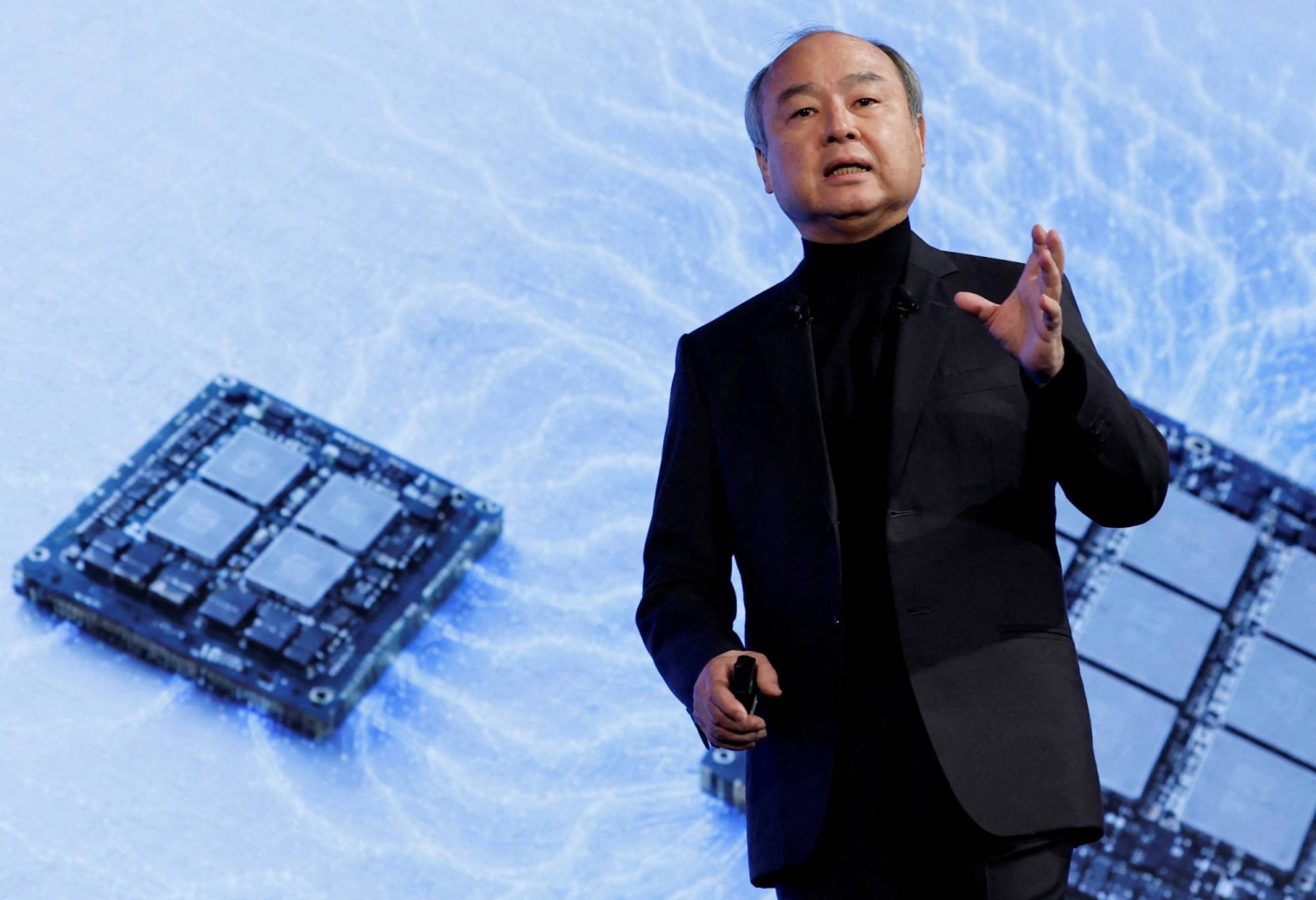
SoftBank Group is seeking as much as $100 billion from Gulf investors, sources told the Financial Times
Adviser Itay Sagie points to Schneider Electric's roughly $22.6 billion equity deal for PTC, the Synopsys–Open…
Anthropic kicked off the Anthropic Cyber Mission, providing frontier Claude models, on-site engineers and thre…
President Trump and leaders of major AI companies signed the White House Accord on Superintelligence, a volunt…
CLEAR, a certified Qualified Anti-Terrorism Technology under the Department of Homeland Security, published a…