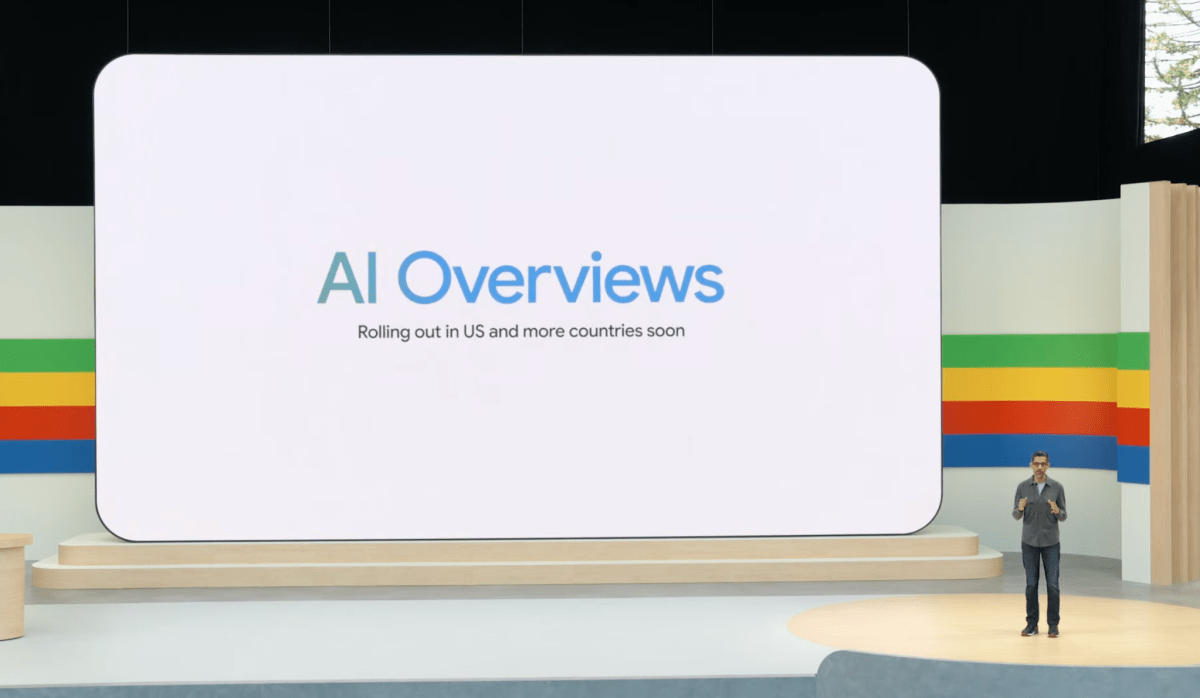
What happened
Google's AI-generated search answers, called AI Overviews, now appear in 43% of searches, up from 15% a year ago. During the same period, visits to Google's conversational AI Mode rose from 126 million in June 2025 to 279 million by May 2026.
Why it matters
Google is shifting from a tool that directs users to other websites into a destination itself—users now spend more time on Google's platform consuming answers directly rather than clicking through to external sites. Publishers are losing referral traffic as a result, though citations in AI responses have risen more than fivefold in the past year.
What to watch
ChatGPT's U.S. desktop referrals improved significantly after a May 7 search update, jumping from 25% in March 2026 to nearly 60% by May 30, 2026, suggesting users do click through when prominent links are available. The shift in how users search—moving from short keyword queries to longer conversational ones—continues to reshape the web.
Summaries like this, in your inbox every morning.
Google's search product has undergone a structural shift in the past year. What began as an AI layer added to traditional search—blue links users would click to visit other websites—has become the primary interface itself. According to Similarweb, AI Overviews now dominate nearly half of all Google searches, and users are increasingly spending time on Google's platform rather than using it as a stepping stone to external content. This reflects both a change in user behavior (longer, conversational queries instead of short keyword strings) and a deliberate product redesign that makes Google's own answers the destination.
Publishers have suffered measurably from this shift. The loss of referral traffic—clicks that once drove readers from Google to news sites, retail sites, and other content—has been particularly damaging for news organizations. Yet the data also shows some room for recovery: citations in AI responses have risen more than fivefold in the past year, and when those citations are displayed prominently (as in ChatGPT's May 2026 update), users do click through. The May 7 search update that moved ChatGPT's web-page referral rate from 25% to nearly 60% by month's end suggests that visibility and design matter—but the larger trend remains: Google itself has become the answer, not merely the tool for finding answers elsewhere.
Pick your industry and the AI tools you use, and get news related to your work every day.
Free · 30 seconds with Google · unsubscribe anytimeWhat is AIToday? →
Ask AI anything about this article. The AI reads this article, earlier AIToday articles, and Wikipedia, and cites its sources. Q&As are published on this page for other readers too.
In Q2, billionaires or their funds sold six 'Magnificent Seven' AI stocks

Nvidia was rising early Friday, even as the wider chip sector kept falling, Barron's reported

ElevenLabs completed a $300 million employee tender at a $22 billion valuation, and co-founder Mati Staniszews…

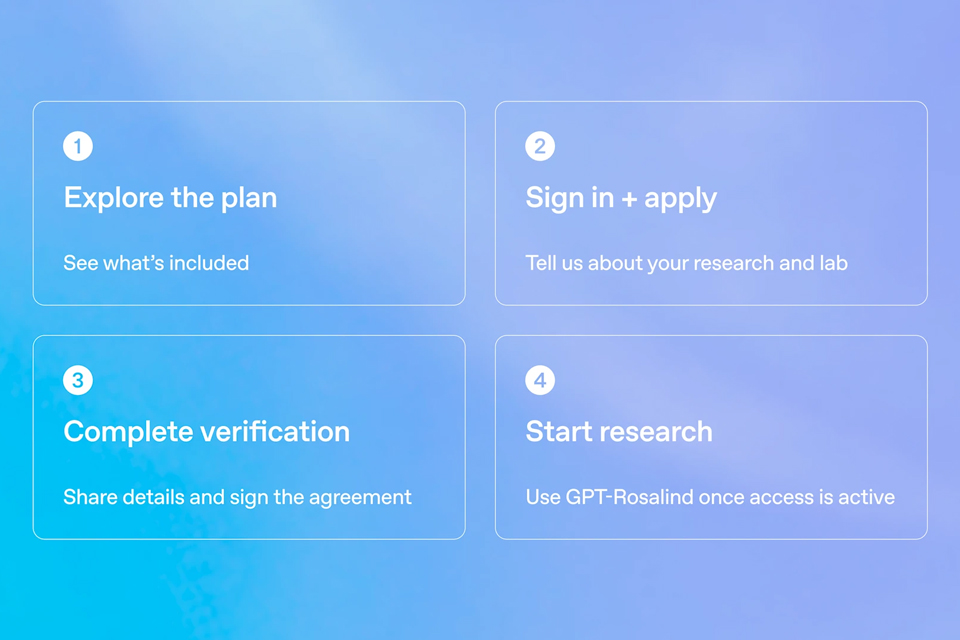
On October 15, OpenAI announced the Rosalind Academic Plan, giving approved US university labs free access to…
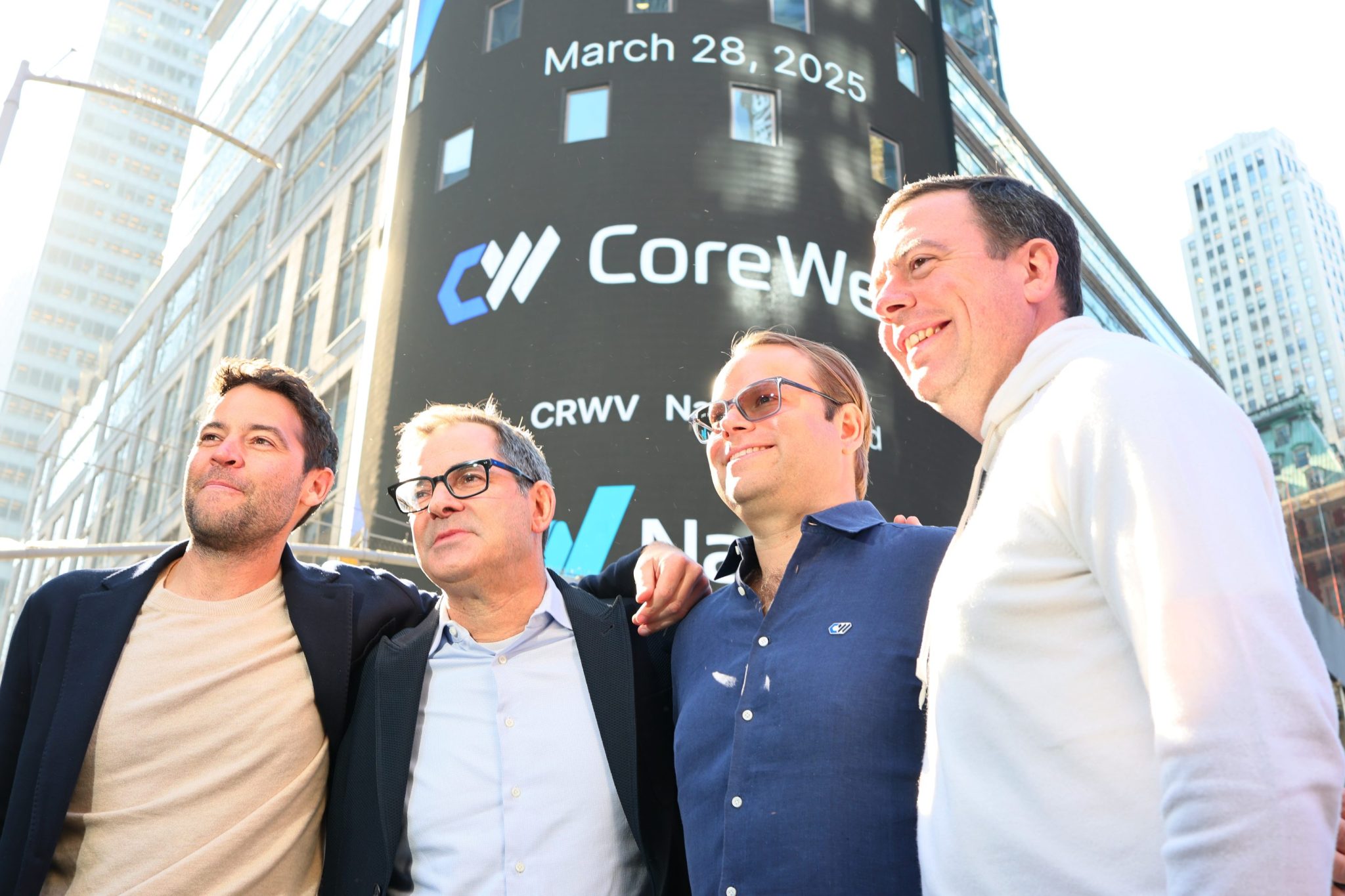
Neostellar Capital principal Evan Schlossman said CoreWeave's $103.7 billion in remaining performance obligati…
A Qiita article compared automated red-teaming methods for LLM apps — GCG, PAIR, and TAP — using mock implemen…