What happened
A cybersecurity firm benchmarked 10 AI models (including DeepSeek V4 Pro, Qwen, GLM-5.3, Grok, Opus 5, and others) across 32 real-world vulnerabilities, with each model attempting the task three times. DeepSeek V4 Pro 0813 found the most vulnerabilities when results were pooled across runs—28 of 32—while GLM-5.3 matched Opus 5 at 26 of 32 found while costing 69.8% less.
Why it matters
Open-weight models (DeepSeek, Qwen, GLM, Kimi) have now matched or exceeded closed frontier models (Opus 5, Grok 4.6, Sol) in pooled vulnerability discovery—reversing the prior hierarchy. Three runs of cheaper DeepSeek Flash ($108 total) reached 24 vulnerabilities, matching Grok's single best pass that cost $450–$590. This changes the cost-benefit calculus for security teams choosing which AI model to deploy.
What to watch
The benchmark consumed 11.7 billion tokens across 96 total runs (three per model). DeepSeek Pro's individual consistency lagged (only 10 of 28 vulnerabilities found in every run), but repetition compensated; open models also produced more false leads, shifting triage burden downstream. The researchers stress that open-weight models still require careful harness engineering to replace frontier models without human oversight.
Summaries like this, in your inbox every morning.
The benchmark represents a significant shift in the publicly available AI model hierarchy for security tasks. Prior evaluation showed open-weight models catching up; this benchmark demonstrates they have now caught up and in some cases surpassed frontier models on the specific task of vulnerability discovery. The key insight is that vulnerability discovery—unlike many AI tasks—benefits from output variance: running the same model multiple times on the same problem yields different exploration paths, and pooling those results recovers more vulnerabilities than any single run. DeepSeek V4 Pro found only 17 vulnerabilities in its first pass but reached 28 across three runs; Qwen climbed from 19 to 26. This property flips the usual penalty of model inconsistency into an advantage.
Cost efficiency emerges as a critical new variable. Three runs of DeepSeek Flash cost $108 and recovered 24 vulnerabilities—the same as Grok's best single run at roughly 10 times the price. GLM-5.3, tested as an early evaluation partner, improved from preview to final release, matching Opus 5's recall at 69.8% lower cost. However, the trade-off is noise: open-weight models produced more false leads, which the researchers explicitly call out as a downstream burden. This means cost savings shift the human effort from running the model to filtering its output, a detail that complicates the simple "cheaper is better" narrative.
Pick your industry and the AI tools you use, and get news related to your work every day.
Free · 30 seconds with Google · unsubscribe anytimeWhat is AIToday? →
Ask AI anything about this article. The AI reads this article, earlier AIToday articles, and Wikipedia, and cites its sources. Q&As are published on this page for other readers too.
ElevenLabs completed a $300 million employee tender at a $22 billion valuation, and co-founder Mati Staniszews…

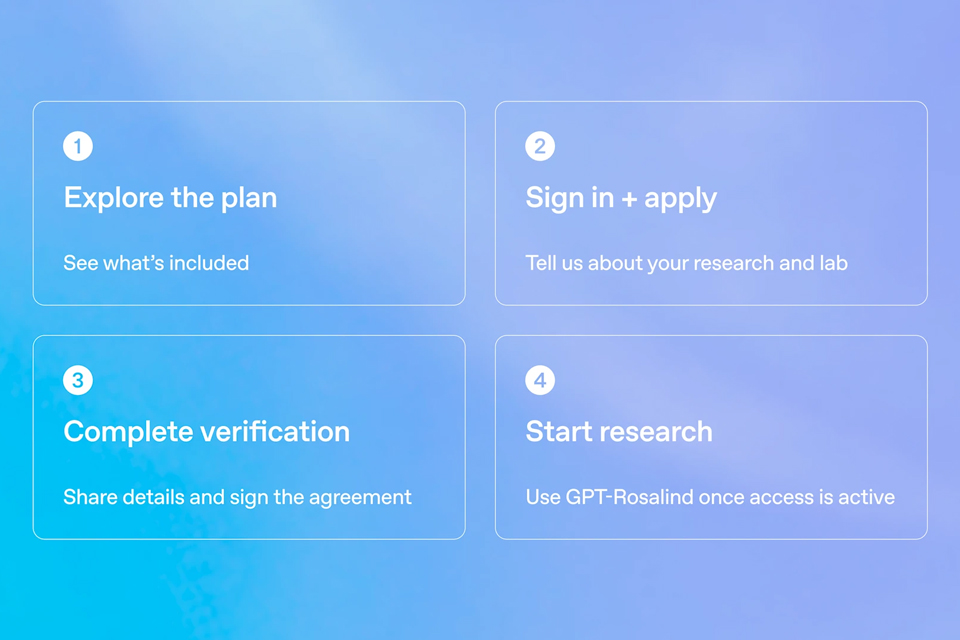
On October 15, OpenAI announced the Rosalind Academic Plan, giving approved US university labs free access to…
A Qiita article compared automated red-teaming methods for LLM apps — GCG, PAIR, and TAP — using mock implemen…

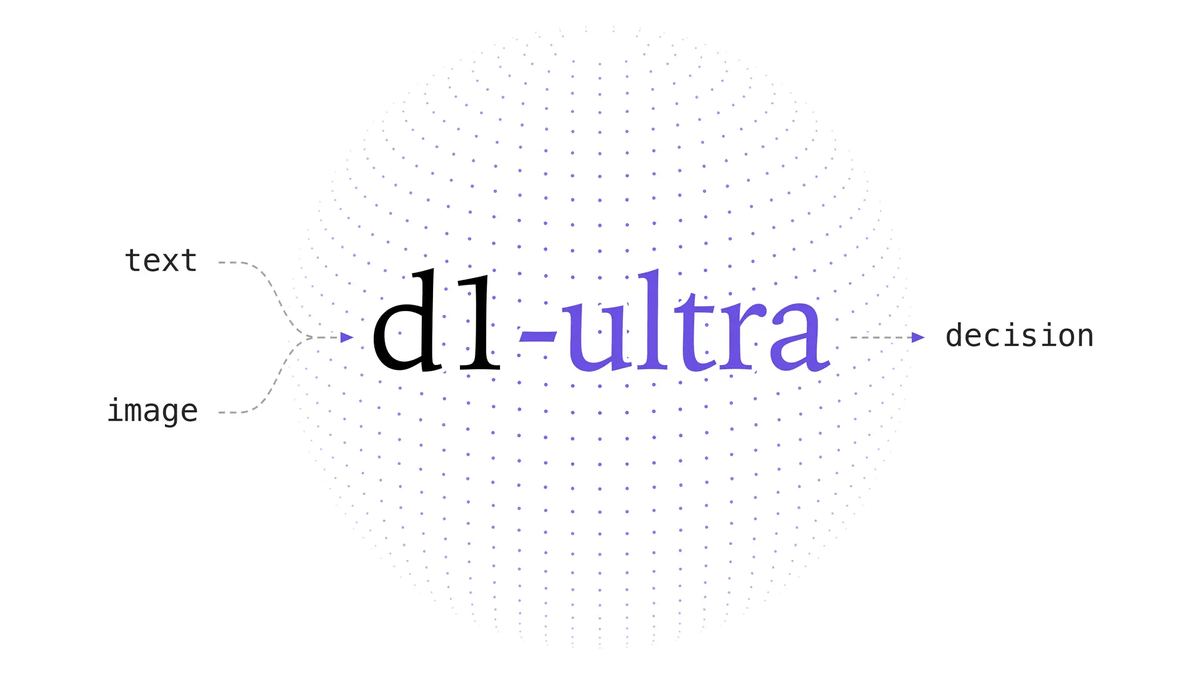
Liquid AI released d1-ultra on October 15, 2026, an upgraded open-weights decision model that averaged 76.7 ac…
Circlia started a proof-of-concept for TASTE SIGNAL: visitors to Holland Village Cafe FUKUOKA taste cookies an…

In a webinar hosted by French Mathematical Society president Isabelle Gallagher, Fields Medal winner Hugo Dumi…

