What happened
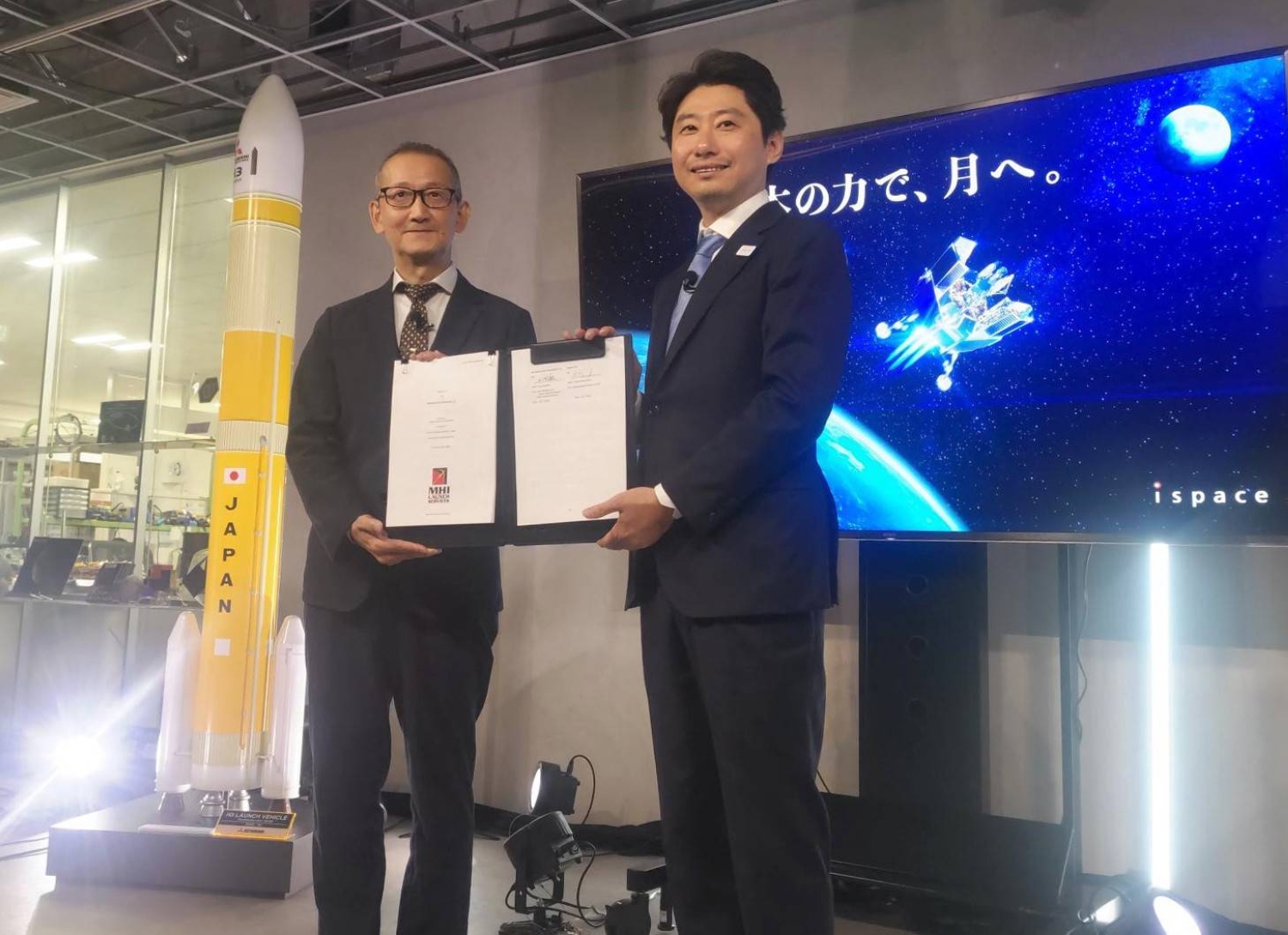
Ispace signed a contract with Mitsubishi Heavy Industries to launch its lunar lander, Ultra, using Japan's domestically developed H3 rocket in 2028. This will be the company's first mission using a Japanese rocket; its two prior lunar lander attempts on SpaceX's Falcon 9 rockets both failed to achieve successful landings.
Why it matters
Ispace founder and CEO Takeshi Hakamada stated that achieving a lunar landing with Japanese technology is "highly meaningful for national security" and would help propel Japan's space industry to "the next stage." The move signals a shift toward building domestic space capability rather than relying on foreign launch providers.
What to watch
Ispace and Mitsubishi Heavy Industries have committed to continuing efforts to "promote the formation of a full-scale lunar transportation system that unites Japanese domestic industries," suggesting the goal extends beyond this single mission to establish a broader Japanese lunar supply chain.
Summaries like this, in your inbox every morning.
Ispace's decision to use the H3 rocket represents a strategic pivot toward domestic launch capability in Japan's space industry. The company's two prior lunar lander missions on U.S. SpaceX rockets both ended in failure, creating an opportunity to pursue a different approach. By partnering with Mitsubishi Heavy Industries—the co-developer of the H3 rocket alongside the Japan Aerospace Exploration Agency—Ispace is positioning itself at the center of a coordinated Japanese effort to build indigenous space infrastructure.
The framing by Ispace CEO Takeshi Hakamada emphasizes national security and industrial advancement as drivers of the shift, suggesting that domestic launch capability serves broader Japanese policy interests beyond commercial success. The joint commitment from both companies to develop a "full-scale lunar transportation system that unites Japanese domestic industries" indicates that this single mission is intended as a foundation for a sustained, domestically integrated supply chain rather than an isolated project.
Pick your industry and the AI tools you use, and get news related to your work every day.
Free · 30 seconds with Google · unsubscribe anytimeWhat is AIToday? →
Ask AI anything about this article. The AI reads this article, earlier AIToday articles, and Wikipedia, and cites its sources. Q&As are published on this page for other readers too.

