What happened
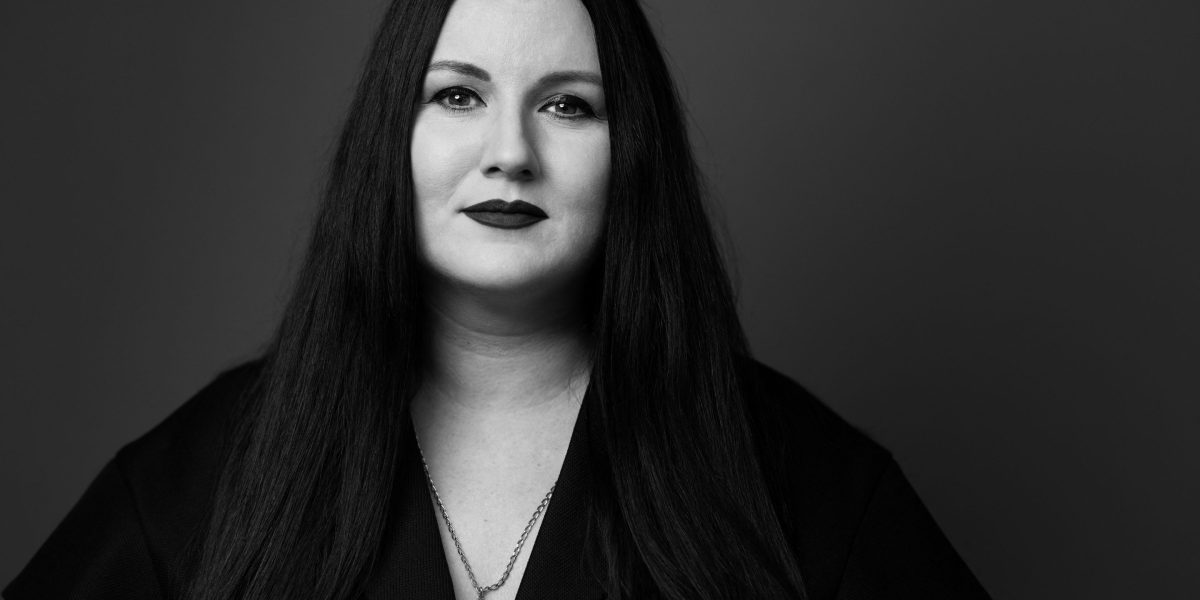
Fidji Simo, who left her role as OpenAI's CEO of AGI deployment after a seven-year battle with POTS (Postural Orthostatic Tachycardia Syndrome), founded ChronicleBio to identify disease subtypes using AI and patient blood data. In its first year, the company performed 890 blood draws from 709 patients across Utah, Arizona, Texas, and India, collecting over 3,500 tubes of blood and extracting 153 terabytes of data. On August 11, ChronicleBio launches home mobile phlebotomy sign-ups, offering free in-depth reports to the first 250 participants.
Why it matters
ChronicleBio tackles a critical drug-development problem: clinical trials often fail because pharmaceutical companies cannot identify which patient subgroups a drug will actually help. Simo's team has already found five distinct sub-diseases within POTS despite identical symptoms, with different underlying biology (immune system, mitochondria, etc.). By matching patients to their biological profile before trials begin, the company aims to dramatically improve success rates—something Simo says would be nearly impossible without AI. The $15 million company could unlock treatments for conditions historically underfunded because they disable rather than kill, and predominantly affect women.
What to watch
The home phlebotomy program launches August 11, with free testing for the first 250 U.S. participants; after that, tests cost $400. Simo plans to start testing existing drugs on patient subgroups before year-end, with the goal of partnering with biotech and pharma to develop new therapeutics. The company is also using a combination of OpenAI and Anthropic AI models to analyze the blood data.
Summaries like this, in your inbox every morning.
Simo's departure from OpenAI, announced publicly as driven by her chronic illness, was not a retreat from tech but a pivot toward what she sees as AI's most meaningful application: curing disease. Her seven-year battle with POTS, combined with roles at Meta (overseeing the Facebook app), Instacart (as CEO during its 2023 IPO), and OpenAI (reporting directly to Sam Altman), positioned her uniquely to identify a bottleneck in pharmaceutical development: the inability to distinguish patient subgroups within a single diagnosis. This insight is grounded in real clinical failure—the long-COVID trial example Simo cites, where a drug worked for some patients but the trial was canceled for appearing ineffective across the whole cohort.
The founding team's personal stakes are notable. Simo, cofounder Rohit Gupta, cofounder Rishi Reddy, and Greg Brockman's wife Anna all have chronic diseases or family members with them. This is not incidental; it drives the company's framing of chronic conditions as a structural inequity: diseases like chronic fatigue syndrome are more disabling than cancer yet receive a fraction of the funding, partly because they predominantly affect women and do not kill quickly. By pairing AI's capacity to analyze massive biological datasets with mobile phlebotomy (removing the barrier of travel for bedridden patients), ChronicleBio addresses both the scientific and equity dimensions of the problem.
Pick your industry and the AI tools you use, and get news related to your work every day.
Free · 30 seconds with Google · unsubscribe anytimeWhat is AIToday? →
Ask AI anything about this article. The AI reads this article, earlier AIToday articles, and Wikipedia, and cites its sources. Q&As are published on this page for other readers too.
Germany's government will unveil an AI agreement with Nvidia next week, according to government sources cited…

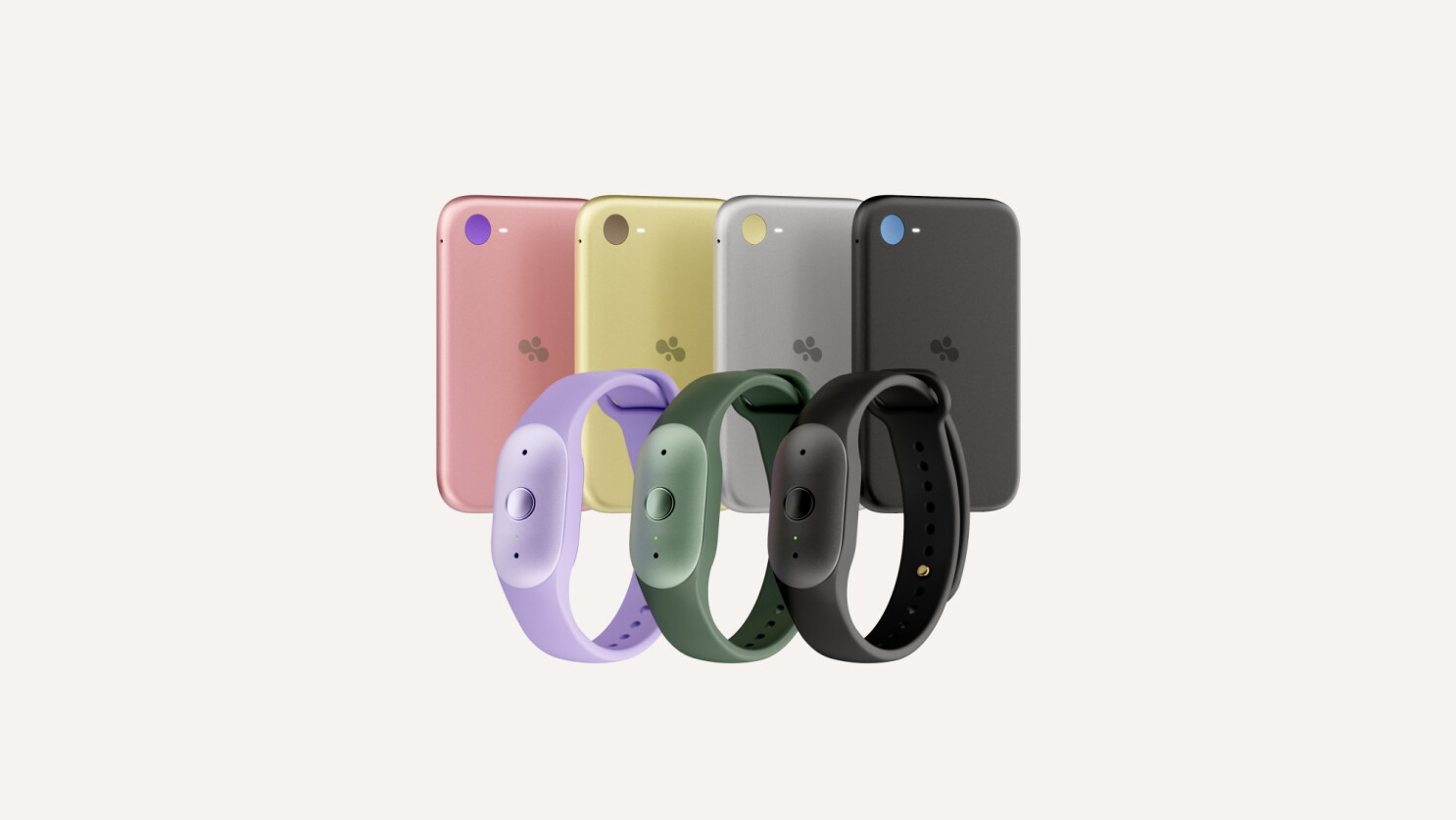
Amazon introduced Bee Frontier, a wearable personal AI, for $74.99 in Onyx, Lavender and Sage, and Bee Eclipse…
Wall Street ended down sharply, with worries about the AI trade and high oil prices weighing on the market

Citi has become the latest US bank to restrict AI agents from accessing accounts, per the Financial Times

Goldman Sachs says German exports have rebounded, driven by demand from the US, the EU, and the AI buildout

Forbes reports that Coca-Cola is using AI to reinvent its marketing, and presents the company's approach as a…