What happened
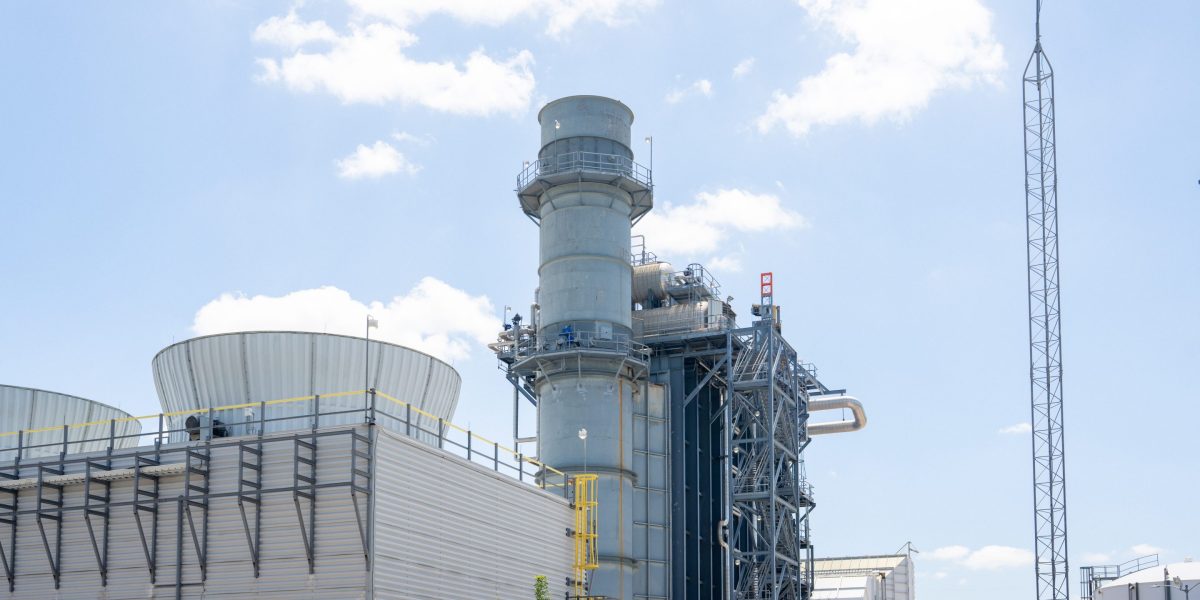
Ninety-nine proposed natural-gas power plants tracked by BloombergNEF would emit about 318 million metric tons of carbon dioxide annually, potentially lifting U.S. power sector emissions by 20% — from a baseline of 1,485 million metric tons emitted by the entire electric power industry last year.
Why it matters
Data center developers are rushing to build bespoke gas plants because grid-connected projects face yearslong delays and regulatory hurdles; this threatens Amazon and Microsoft's publicly stated climate commitments made before the AI boom, when both companies pledged to reach zero net carbon emissions.
What to watch
Two plants alone — one Amazon project in Pecos County and one Chevron plant powering Microsoft in west Texas — could generate more than 10 gigawatts of electricity and emit as much as 45 million metric tons of carbon dioxide equivalent annually, nearly half Washington state's cumulative emissions.
Summaries like this, in your inbox every morning.
The surge in data center construction to support AI workloads has collided with grid infrastructure constraints, forcing developers to sidestep traditional utility systems. BloombergNEF tracks 126 gigawatts of planned on-site gas generation capacity across 22 states, concentrated heavily in Texas—a state with ample oil and gas resources and a historically permissive regulatory environment. The grid bottleneck is real: even greenlit facilities face yearslong waits to connect to regulated systems, leaving developers no choice but to build bespoke plants that can operate independently. This shift has caught major tech companies in a contradiction: Amazon and Microsoft made bold net-zero pledges during an earlier era when emissions reduction was an employee and activist priority, before the AI boom reshaped corporate priorities around computing power above all else. The emissions footprint is substantial—the 99 tracked plants alone could account for one-fifth of current U.S. power sector emissions if they run at industry-standard rates, though not all may ultimately be built.
Pick your industry and the AI tools you use, and get news related to your work every day.
Free · 30 seconds with Google · unsubscribe anytimeWhat is AIToday? →
Ask AI anything about this article. The AI reads this article, earlier AIToday articles, and Wikipedia, and cites its sources. Q&As are published on this page for other readers too.

