What happened
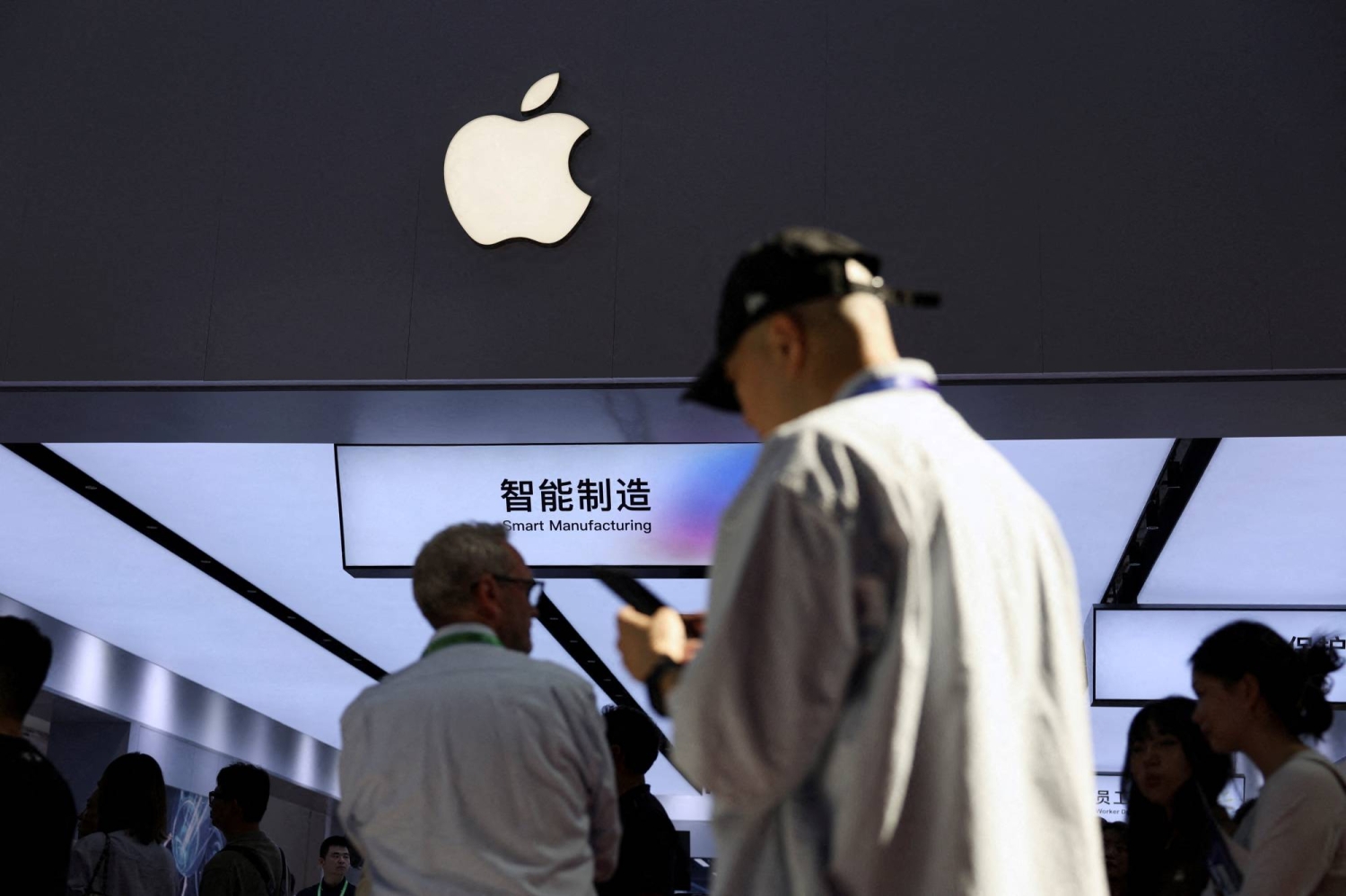
Apple has developed its own large language model (an AI system that understands and generates text) specifically for the Chinese market in partnership with Alibaba Group, marking a shift from its previous reliance on third-party models for AI features in China.
Why it matters
Apple's move signals a strategic change in how it approaches AI in China, where U.S. models like Claude and ChatGPT are unavailable. By building its own model with local partner Alibaba, Apple gains more control over AI features on iPhones and other devices sold there, rather than depending on domestic competitors' technology.
What to watch
The model's performance and availability timeline remain unreported; the partnership details—including whether the model will power specific features or when it launches—have not been disclosed.
Summaries like this, in your inbox every morning.
Apple's decision to train its own large language model for China represents a meaningful shift in the company's regional AI strategy. Previously, Apple had worked within China's regulatory and market constraints by licensing or integrating domestic competitors' models rather than building its own—a pragmatic choice given the U.S. trade restrictions that prevent ChatGPT and Claude from operating in the country. By moving to develop and train its own model with Alibaba's support, Apple appears to be prioritizing greater control and differentiation in one of its largest markets, signaling that AI features are increasingly central to the iPhone experience globally, not just in the West. The partnership with Alibaba, a company with deep roots in Chinese infrastructure and regulatory relationships, likely reflects Apple's need for local expertise and approval as it navigates the country's technology environment.
Pick your industry and the AI tools you use, and get news related to your work every day.
Free · 30 seconds with Google · unsubscribe anytimeWhat is AIToday? →
Ask AI anything about this article. The AI reads this article, earlier AIToday articles, and Wikipedia, and cites its sources. Q&As are published on this page for other readers too.
Hewlett Packard Enterprise stock is down 5% at $55.87
The Motley Fool argues Amazon is the AI company of the two, since AWS was just 21% of first-half 2026 revenue…

Google Deepmind's Gemini 4 Argon scored 97.5 percent on ARC-AGI-3 at a cost of $4,800, second only to GPT-6 As…
Cammarata reinterprets InceptionV1's cat-car neuron as a V-shape detector, not two unrelated concepts

OpenAI is launching the Rosalind Academic Plan, offering eligible research labs at US universities up to 30 fr…
Microsoft's Surface Laptop Ultra, using Nvidia's RTX Spark platform, starts at $2,599 (up to $5,899)