What happened
A Science investigation found consumer EEG headband makers including Emotiv have amassed tens of millions of hours of brain-wave recordings and are using them to train 'large brain models' without disclosing it in privacy policies.
Why it matters
At least one company updated its policy only after Science flagged the practice, and with no firm US regulatory framework for biometric neural data, firms face few constraints on storing, sharing, or repurposing what one scientist calls 'the most sensitive data a person has.'
WHO IT HITSConsumers who use EEG headbands are affected because their brain-wave recordings may be stored, shared, or repurposed for AI training without explicit disclosure, per the investigation. Companies selling neurotech devices face scrutiny over privacy policies that did not mention this use.
Summaries like this, every morning.
The Science investigation centers on a gap between what consumer EEG headbands collect and what their privacy policies tell users. According to the report, makers like Emotiv have built up tens of millions of hours of brain-wave recordings, and those recordings are being used to train 'large brain models' without that use being disclosed. The detail that at least one company updated its policy only after Science flagged the practice suggests the disclosure gap was not incidental but responsive to outside scrutiny.
The absence of a firm US regulatory framework for biometric neural data is the backdrop. With few constraints on storing, sharing, or repurposing such recordings, the investigation frames the data as unusually sensitive—one scientist calls it 'the most sensitive data a person has.' That characterization, tied to the lack of rules, is the context in which the undisclosed AI training took place.
Pick your industry and the AI tools you use, and get news related to your work every day.
Free · 30 seconds with Google · unsubscribe anytimeWhat is AIToday? →
Ask AI anything about this article. The AI reads this article, earlier AIToday articles, and Wikipedia, and cites its sources. Q&As are published on this page for other readers too.
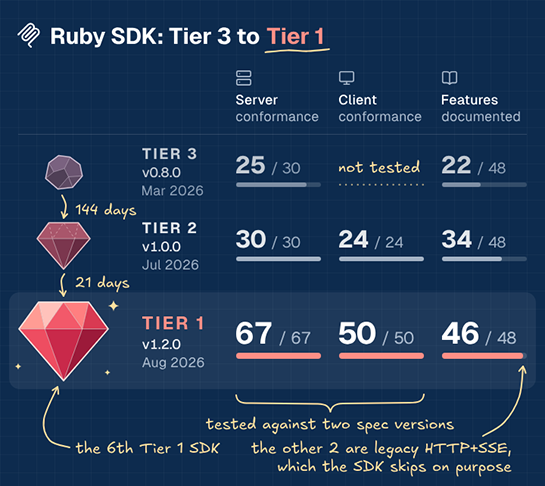
The Agentic AI Foundation said the official MCP Ruby SDK now reaches 'MCP SDK Tier 1,' fully conforming to the…
Testing GPT-5, GPT-6 Astra, Opus 4.8 and Gemini 3.8 Flash on METR's MALT logs, Anthropic Institute's Andy Hall…
Judge Tse ruled that the 'five or twenty times more usage' marketing for Claude Max 5x ($100/mo) and Max 20x (…

Palantir Technologies was chosen by AmeriLife Group for an enterprise AI partnership covering insurance and re…
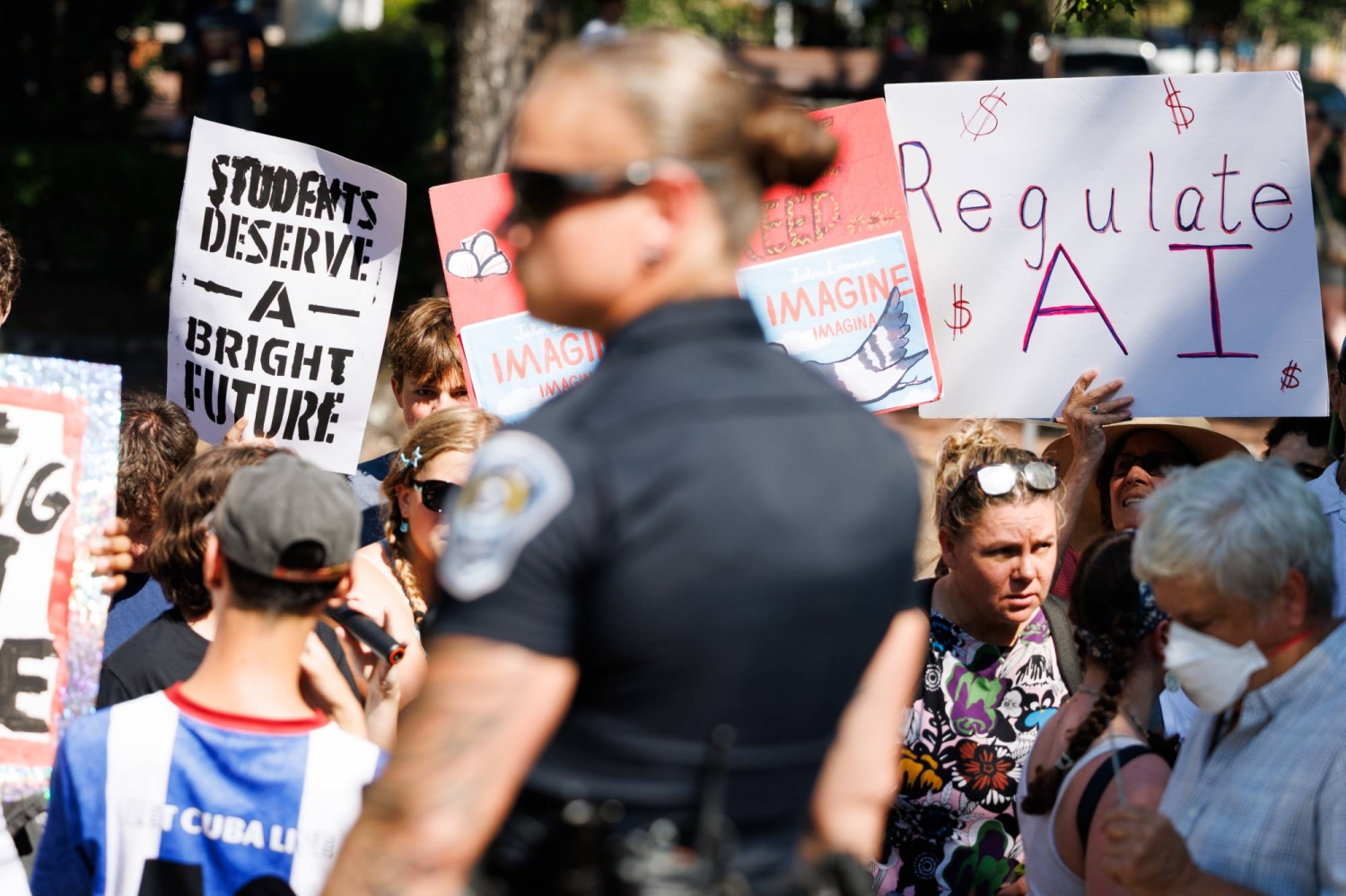
Public First, funded by Anthropic co-founder Dario Amodei and other AI safety advocates, spent more than $63 m…
Userlink is promoting its AI chatbot for ecommerce, pointing to Statista's 2024 data that nearly half of consu…