What happened
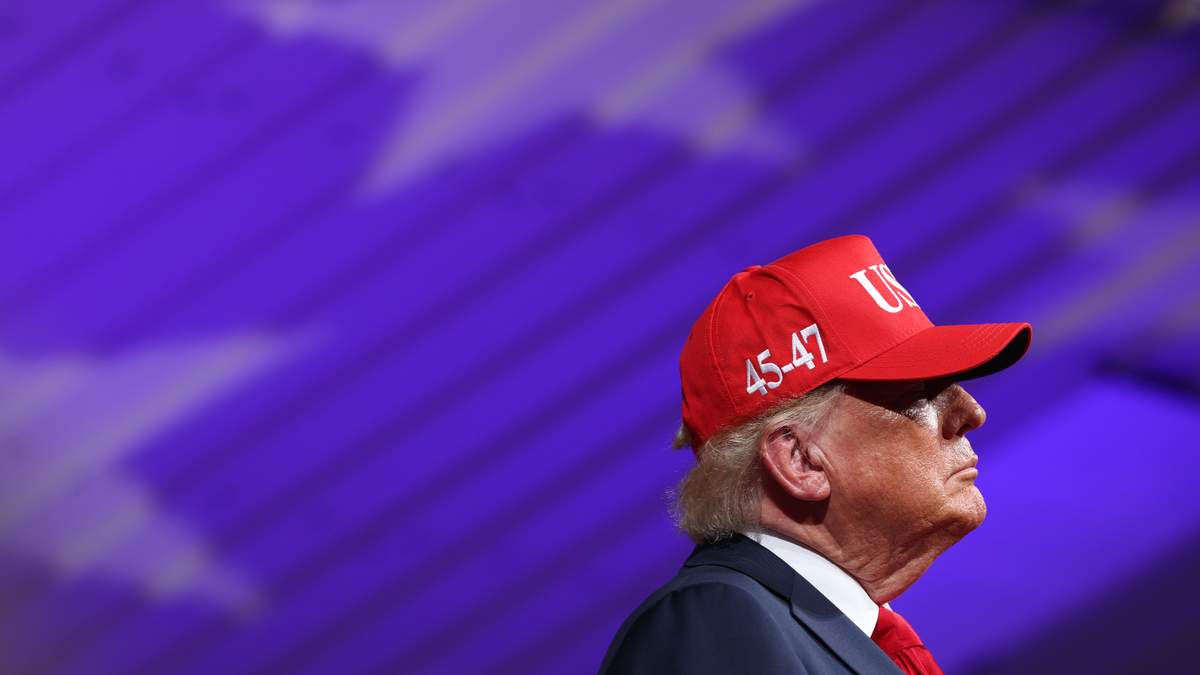
Trump said on Saturday (September 19) he plans a federal "AI Force" and an AI "czar," compared it to the Space Force, and reserved the czar role for "only high I.Q. individuals."
Why it matters
The plan signals the administration will favor helping the industry grow, not restricting it, and it treats safety warnings as a political "hoax."
What to watch
The announcement gives no specific duties or operations for the "AI Force," so what it actually does hinges on later details. Watch whether the czar post is filled.
WHO IT HITSAI policy watchers and technology executives tracking federal regulation will want to note that the administration is signaling support for industry growth over new restrictions, though the force's actual responsibilities remain undefined.
Summaries like this, in your inbox every morning.
Trump's Saturday announcement on Truth Social marks a direct response to calls from AI researchers and tech leaders for a global slowdown in AI development to ensure safety. By labeling such criticisms a political "hoax," he rejected that safety-first framing and instead emphasized that the United States should lead in AI development. His comparison of the proposed "AI Force" to the Space Force, which he established during his first term, suggests he intends to position the new body as a signature initiative, though he offered no details on what it would actually do.
The proposal also fits into a broader policy vacuum. Lawmakers on both sides have attempted to advance AI legislation, but progress has been slow. Meanwhile, warnings have continued: Anthropic CEO Dario Amodei and OpenAI CEO Sam Altman have called for a global slowdown, and Geoffrey Hinton, known as the "godfather of AI," recently urged Congress to act quickly. Trump's plan appears to stake out the opposite emphasis—competitive edge over precaution—rather than adding to the regulatory push.
The practical stakes are unclear because the announcement left key specifics undefined. With no stated duties for the "AI Force" and no named candidate for the czar role, the plan's real effect may depend on whether Congress moves on AI legislation first, and on how the administration later fills in the details. For now, it reads mainly as a signal of intent rather than a concrete policy shift.
For example, today's edition would include:
AI-summarized, only the topics you pick — one digest a day via Email, Slack, or Discord.
Free · 30 seconds with Google · unsubscribe anytimeWhat is AIToday? →
Ask AI anything about this article. Q&As are published on this page for other readers too.
Broadcom projected roughly $58 billion in AI semiconductor revenue for fiscal 2026, about $115 billion in fisc…

Community oncologists are turning to AI, but not all of them use predictive models, according to Managed Healt…

Simply Wall St's most-followed KLA narrative sets fair value at $232.43 versus a $176.99 close, with the stock…
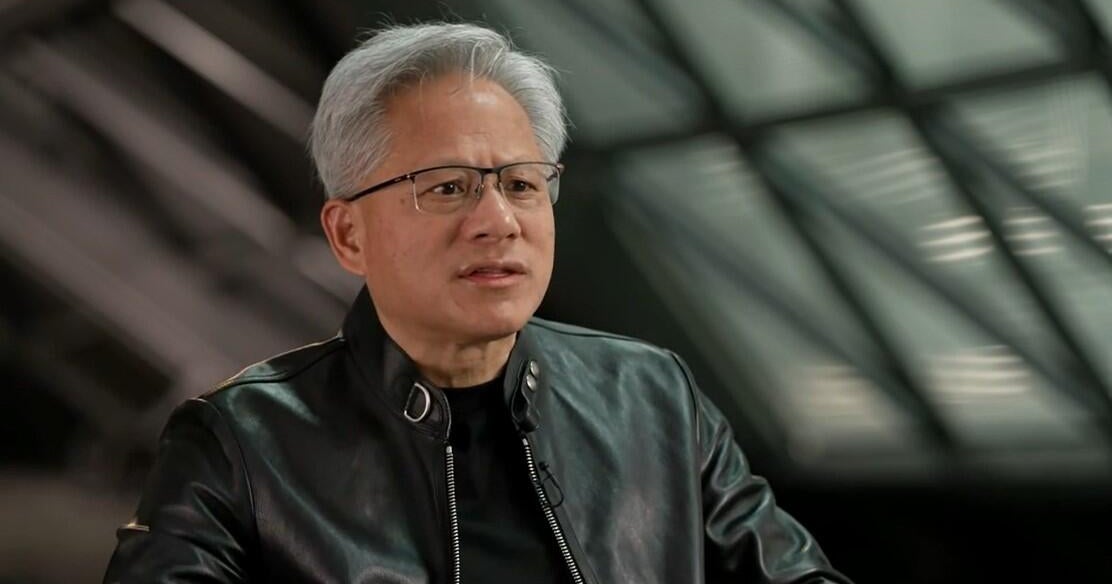
Nvidia founder and CEO Jensen Huang told CBS News that AI development should move 'as fast as we can irrespect…
Visa joined Mastercard and Ant International to design a shared Know Your Agent framework, aimed at standardis…

Aehr Test Systems reported FY2026 revenue of $50.0 million, down 15.2% from the prior year, and a net loss of…