What happened
OpenAI released a webinar and guide showing how data science teams can use ChatGPT Work to turn questions, dashboards, and raw data into review-ready analysis assets.
Why it matters
The tool helps teams build first drafts of deliverables—including charts, caveats, source links, and review questions—from scattered inputs like metric definitions and experiment notes, so they can validate and share faster.
What to watch
The workflows were recorded in the former Codex app and now run in ChatGPT Work at chatgpt.com or the desktop app, so the test is whether teams can follow along in the new environment.
Summaries like this, in your inbox every morning.
This is a practical how-to release rather than a product launch. The company is addressing a specific audience—data science teams—who often juggle inputs like metric definitions, experiment notes, and business context before producing a polished memo or dashboard specification. The guidance turns that scattered material into a structured first draft that still requires human validation.
The Databricks integration and related tools for data teams suggest OpenAI is framing ChatGPT Work as part of a workflow, not as a replacement for analysts. The reference to the former Codex app shows the features were relocated, not newly invented. The emphasis on review questions and caveats implies the output is meant to be checked, not taken at face value.
What matters for a business reader is the division of labor: the AI accelerates drafting, but the team still owns verification and sharing. The outcome likely hinges on whether these templates hold up on real internal data and whether analysts trust the drafts enough to speed up their review cycles.
Pick your industry and the AI tools you use, and get news related to your work every day.
Free · 30 seconds with Google · unsubscribe anytimeWhat is AIToday? →
Ask AI anything about this article. The AI reads this article, earlier AIToday articles, and Wikipedia, and cites its sources. Q&As are published on this page for other readers too.
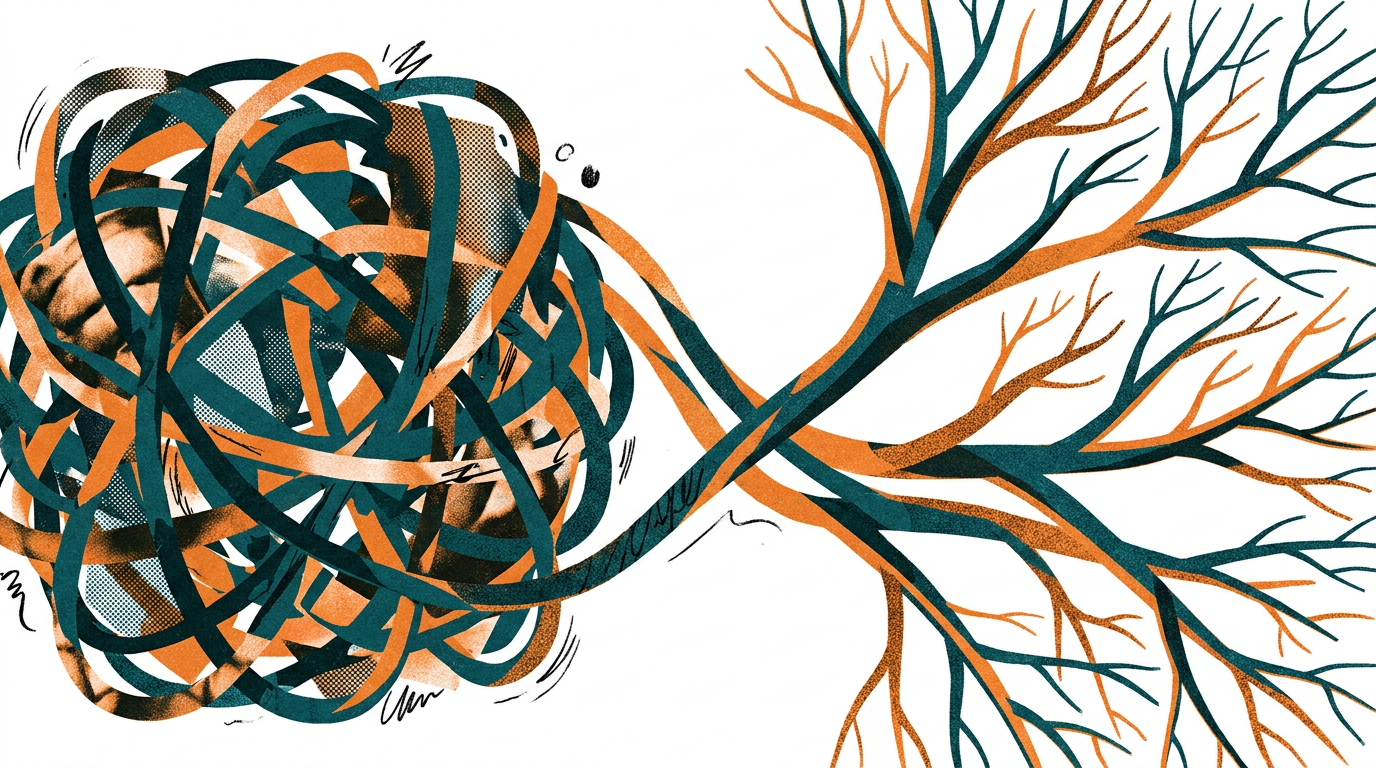
Cammarata reinterprets InceptionV1's cat-car neuron as a V-shape detector, not two unrelated concepts
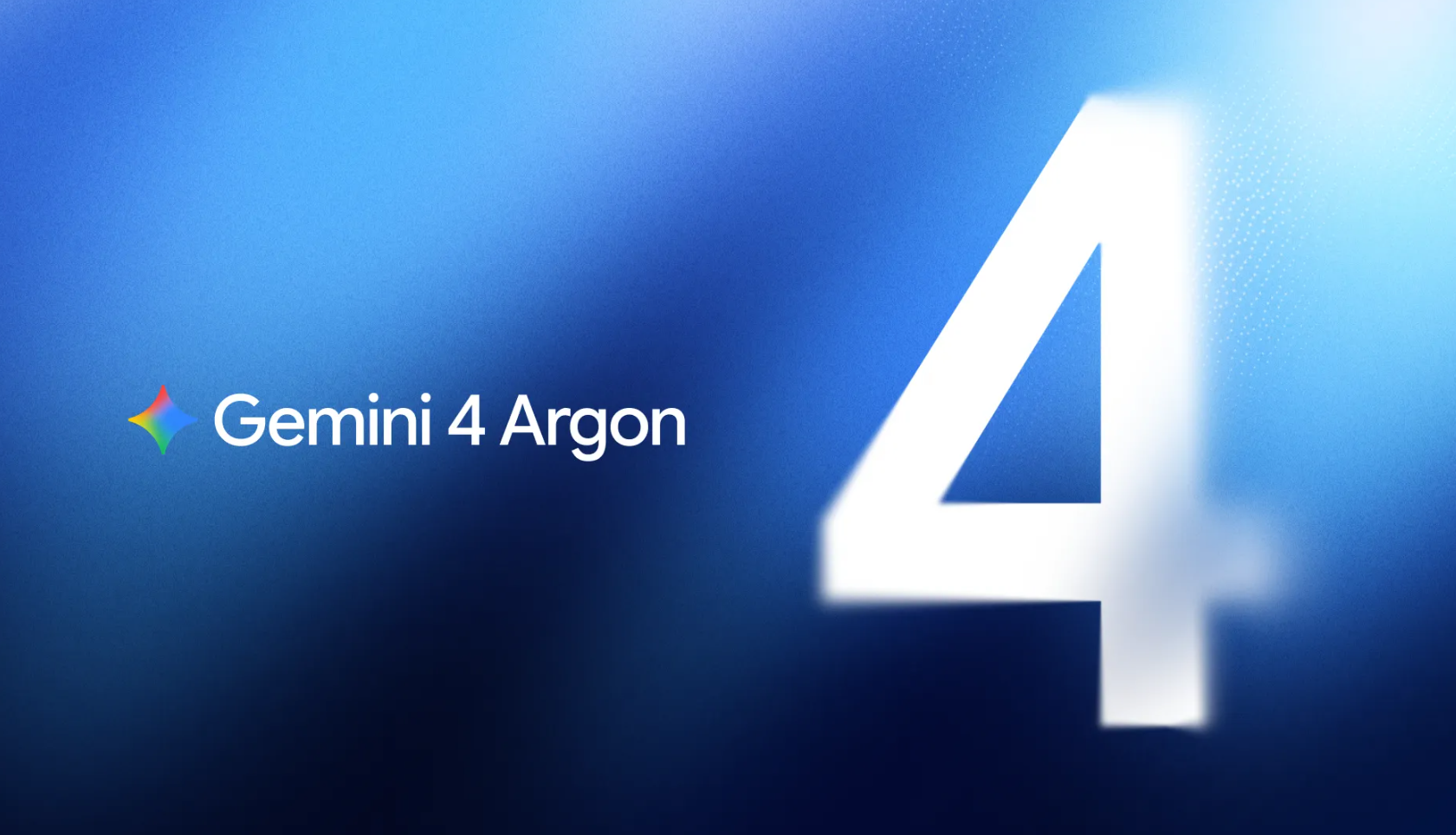
Google Deepmind's Gemini 4 Argon scored 97.5 percent on ARC-AGI-3 at a cost of $4,800, second only to GPT-6 As…
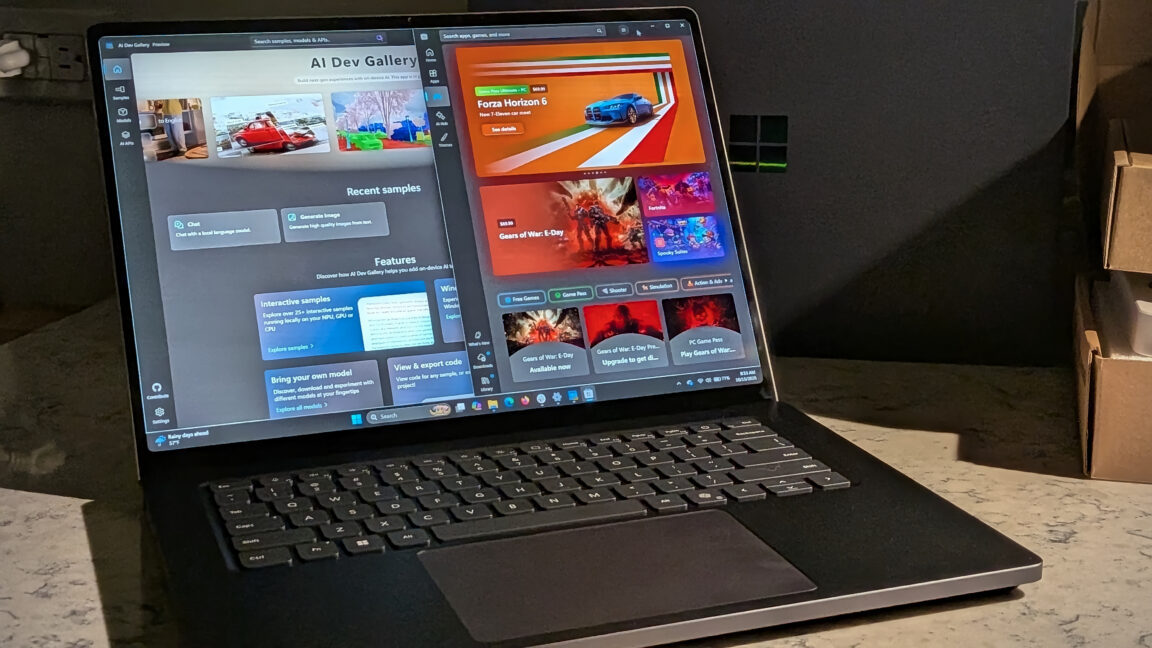
Microsoft's Surface Laptop Ultra, using Nvidia's RTX Spark platform, starts at $2,599 (up to $5,899)
Meta's new commercial terms, effective October 30th, appear to let it crawl and train AI on content from websi…
Vercel data published Thursday shows TypeSafe AI's Jev, a lightweight decision model for choosing among predet…
Reflection AI introduced Beam, an open-weight model for agentic coding and long-horizon tasks, with 501 billio…