What happened
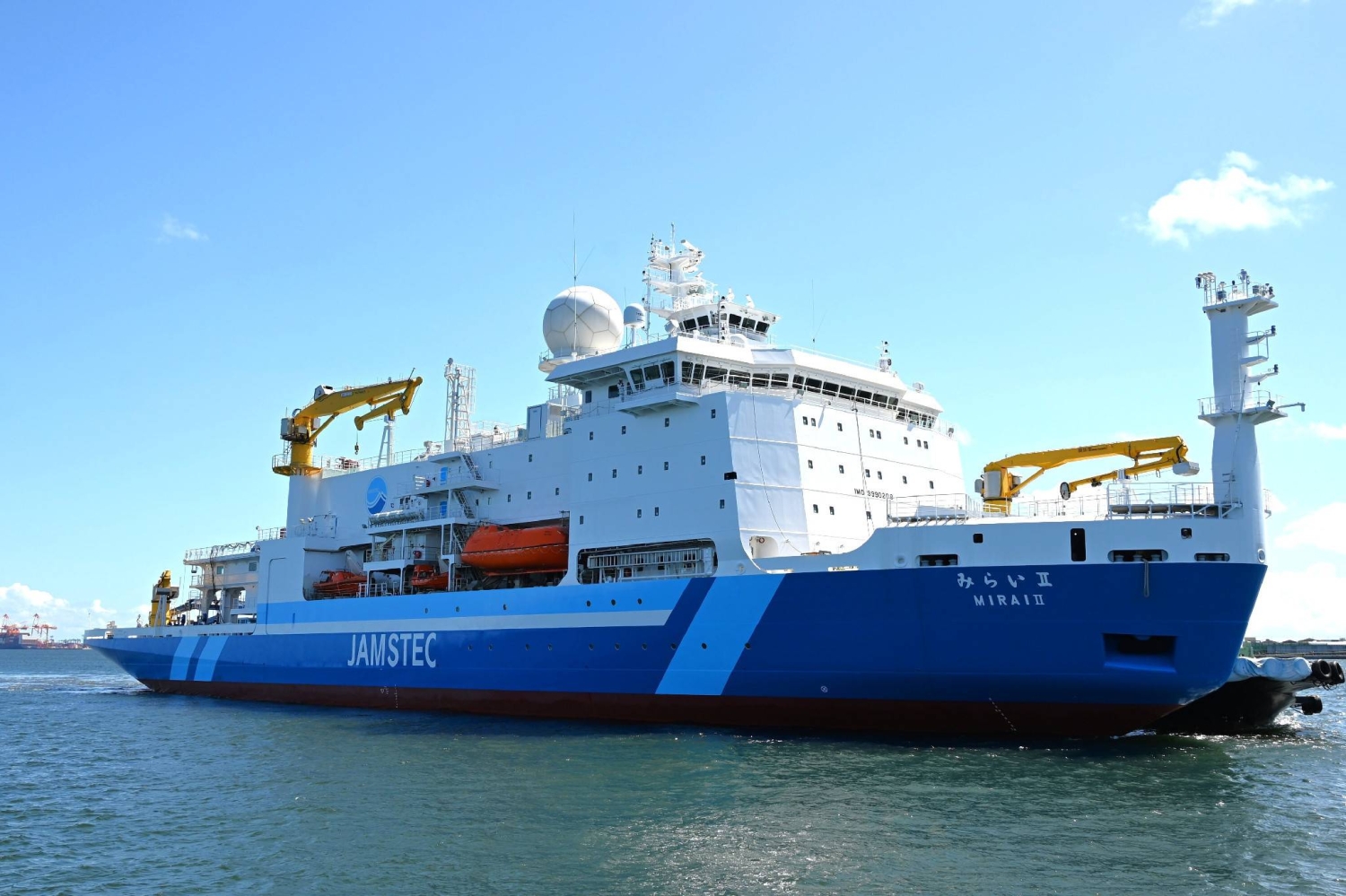
JAMSTEC said it will take delivery of Mirai II, a 13,000-ton Arctic research icebreaker, on Dec. 18 at Japan Marine United's Isogo plant in Yokohama.
Why it matters
Mirai II replaces the 8,700-ton Mirai, which lacked icebreaking capacity and reached only 79.11 degrees north in 2010, so the new vessel is expected to extend Japan's Arctic observation range.
What to watch
The Arctic crossing is set for 2029, after observation trips near the North Pole in 2027 and 2028, so the test is whether those earlier voyages proceed as planned.
WHO IT HITSThis lands on Japanese marine research teams and their international collaborators, who gain a vessel able to survey the seafloor and collect sediment samples in Arctic waters. Shipbuilders and port communities in Yokohama, Mutsu and Hakodate also see activity from the delivery and public showings.
Summaries like this, in your inbox every morning.
The retired Mirai was an oceanographic research vessel without icebreaking capacity, and its northernmost reach in the Arctic Ocean was 79.11 degrees north in 2010. Its replacement, Mirai II, is a 13,000-ton icebreaker, and JAMSTEC's schedule places it first in Japanese coastal waters and the Mariana region for shakedown cruises before public showings in Mutsu and Hakodate next April. The new vessel's expected Arctic crossing in 2029 follows observation trips close to the North Pole in 2027 and 2028. Beyond weather, atmosphere and ocean observation, Mirai II is designed for sonar surveys of the seafloor and sediment sampling, and will carry unmanned vehicles and underwater drones. The stakes appear to hinge on whether those earlier observation trips stay on schedule, since the 2029 crossing depends on them, and on how much the added icebreaking and sampling capability expands what Japanese researchers can gather from a region the previous vessel could only partially reach.
Pick your industry and the AI tools you use, and get news related to your work every day.
Free · 30 seconds with Google · unsubscribe anytimeWhat is AIToday? →
Ask AI anything about this article. The AI reads this article, earlier AIToday articles, and Wikipedia, and cites its sources. Q&As are published on this page for other readers too.

