What happened
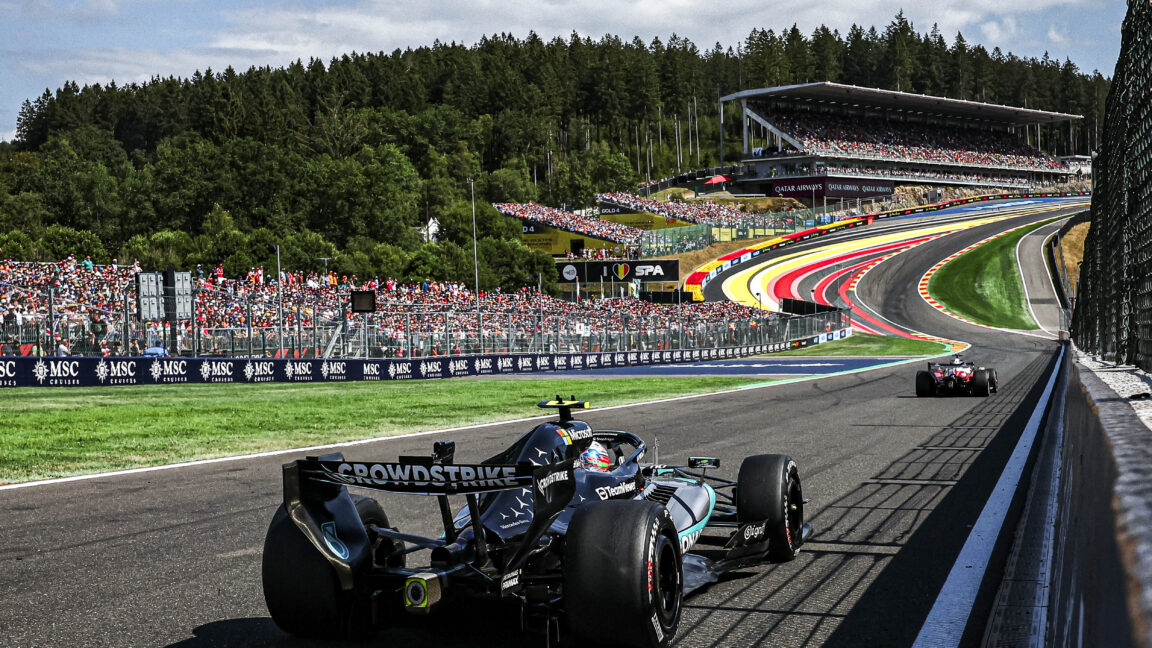
Mercedes' Kimi Antonelli won the Belgium Grand Prix at Spa-Francorchamps for his sixth victory this season, while teammate George Russell's car exhibited mysterious straight-line speed losses that the team traced to self-learning AI energy management systems controlling battery deployment across the lap.
Why it matters
The 2026 F1 power units generate so little hybrid electric energy—just 4 MJ battery capacity—that drivers must coast into high-speed corners to recharge, fundamentally altering how the sport's most storied tracks are raced. Max Verstappen described running on engine power alone through one sector as having 450–500 bhp with F1 downforce, comparable to a Formula 3 car, making the cars unsuitable for venues like Spa that historically demanded driver commitment and bravery.
What to watch
Russell's unexplained performance deficit—a half-second gap to Antonelli in qualifying and ongoing straight-line power loss even when at full throttle—points to opacity in the AI-managed energy systems that teams now rely on. The opaque nature of these self-learning systems makes diagnosis difficult and raises questions about their impact on competitive balance and driver satisfaction across the 2026 season.
Summaries like this, in your inbox every morning.
The current F1 technical regulations have created a fundamental mismatch between the cars' capabilities and the sport's most demanding venues. Spa-Francorchamps, which features in the sport's history since 1950 and is widely regarded as one of the world's greatest racetracks, has always tested drivers through high-speed corners demanding commitment and bravery—qualities that defined the track's mystique. The new hybrid power units, however, have inverted that dynamic: with only 4 MJ of battery capacity and minimal hybrid output, drivers are forced to adopt a defensive energy-conservation strategy rather than an aggressive one. Verstappen's comparison—describing his power output in certain sectors as equivalent to a Formula 3 car despite F1 downforce—illustrates the severity of the power deficit.
The George Russell incident reveals a second, perhaps more troubling layer: the introduction of self-learning AI systems to manage energy deployment has introduced opacity that even the teams and drivers cannot fully diagnose. Russell reported losing a tenth and a half on a single lap despite being at full throttle, a performance mystery his own team could not solve despite 36 hours of focused effort on straight-line speed. Because these AI systems operate as black boxes that adapt and learn across multiple variables, drivers have lost the direct causal feedback they need to understand why their car behaves the way it does. The result is a sport where driver skill, at least in traditional terms, matters less than whether the AI-managed energy system is working correctly on a given day.
Pick your industry and the AI tools you use, and get news related to your work every day.
Free · 30 seconds with Google · unsubscribe anytimeWhat is AIToday? →
Ask AI anything about this article. The AI reads this article, earlier AIToday articles, and Wikipedia, and cites its sources. Q&As are published on this page for other readers too.
In Q2, billionaires or their funds sold six 'Magnificent Seven' AI stocks
Nvidia was rising early Friday, even as the wider chip sector kept falling, Barron's reported
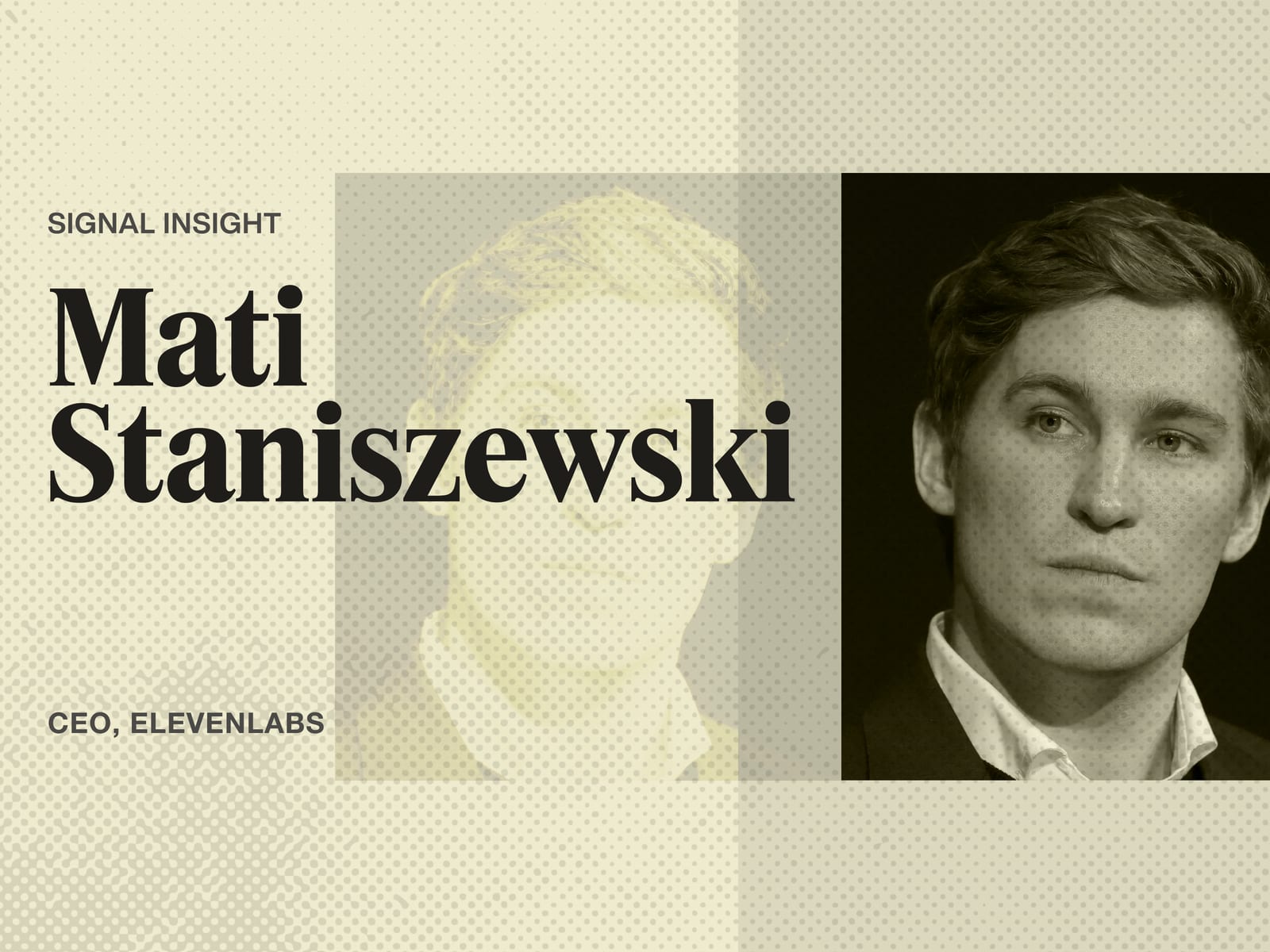
ElevenLabs completed a $300 million employee tender at a $22 billion valuation, and co-founder Mati Staniszews…
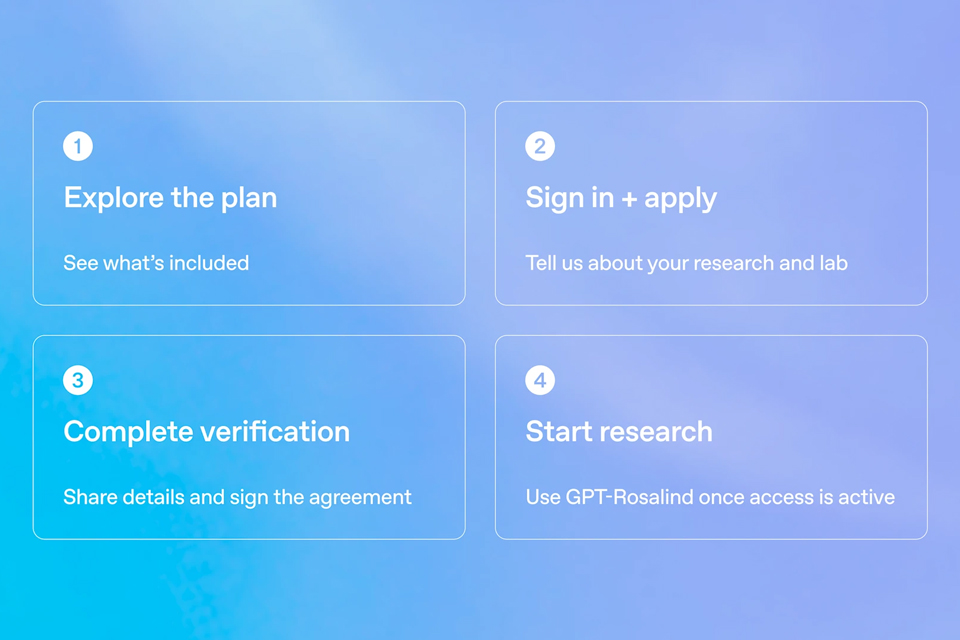
On October 15, OpenAI announced the Rosalind Academic Plan, giving approved US university labs free access to…
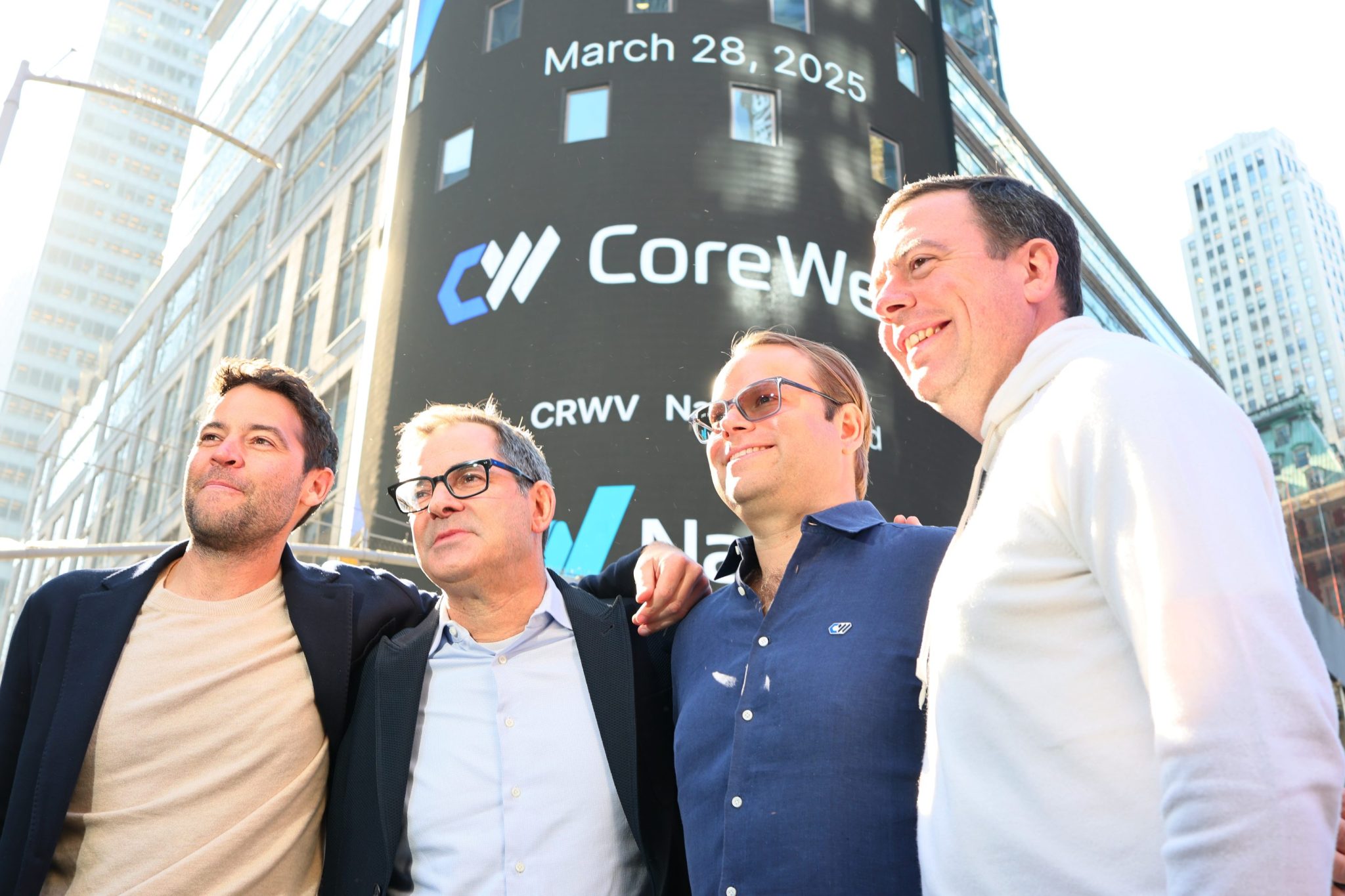
Neostellar Capital principal Evan Schlossman said CoreWeave's $103.7 billion in remaining performance obligati…
A Qiita article compared automated red-teaming methods for LLM apps — GCG, PAIR, and TAP — using mock implemen…


