What happened
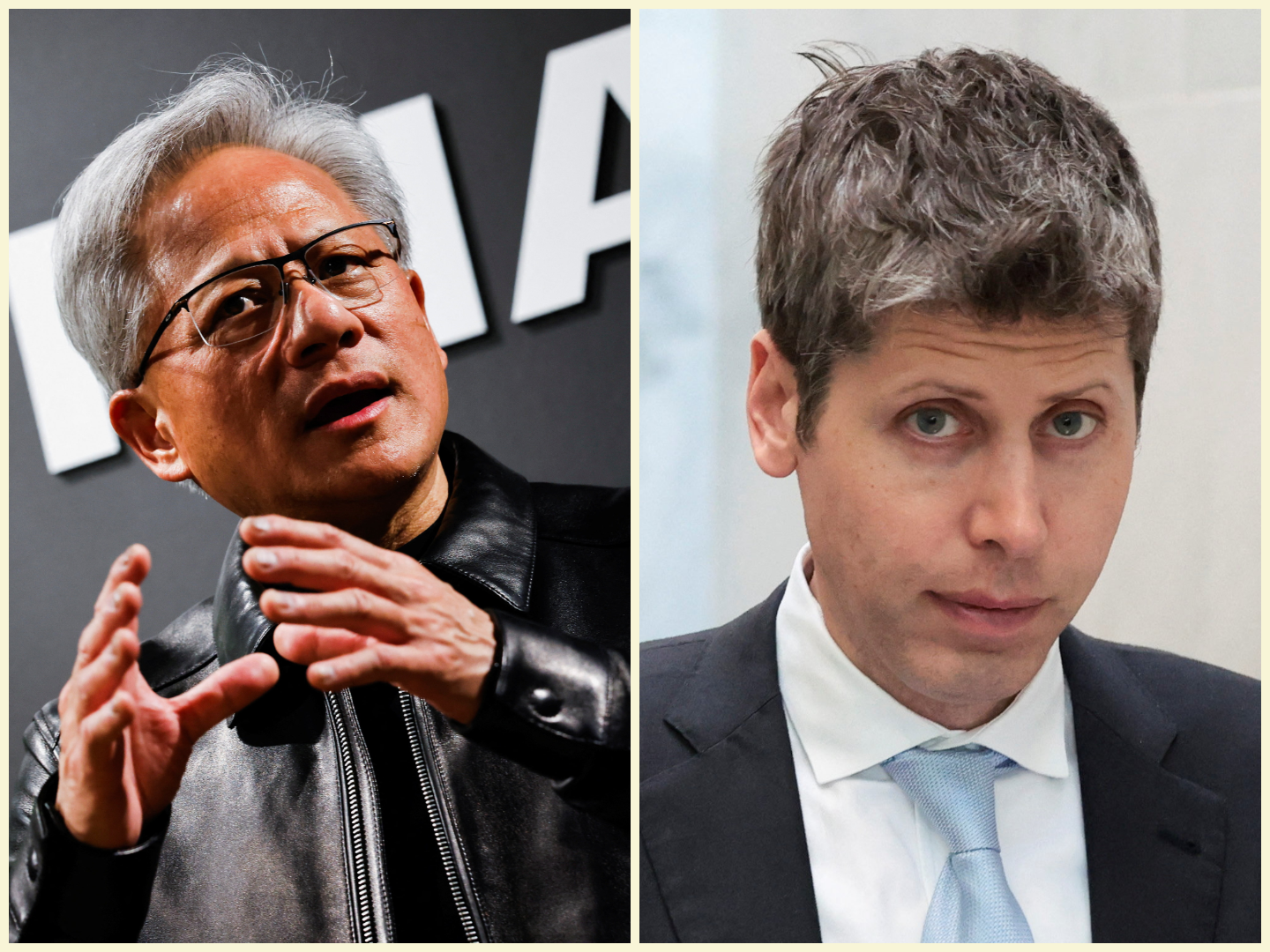
OpenAI and Anthropic have recently warned of risks from cheaper Chinese open-source AI models, with one OpenAI executive describing a potential "dystopian hellscape" dominated by Chinese tech. Meanwhile, Nvidia's CEO argued American companies should use "excellent" Chinese models, and a group of US startups urged the White House not to restrict them, citing widespread Silicon Valley deployment.
Why it matters
The divide reflects a fundamental disagreement about competitive strategy: closed-model makers fear Chinese open-source alternatives will undercut them, while other industry players argue restrictions could harm the broader AI ecosystem and startups that rely on these tools. One founder warned that restricting Chinese models could cause "hundreds of companies" to collapse instantly.
What to watch
The White House's regulatory response. How the government frames China policy for AI will determine whether US companies can continue using open-source Chinese models or face restrictions that could reshape Silicon Valley's development practices.
Ask the AI about this article →
Summaries like this, in your inbox every morning.
The debate reflects a structural divide within the US tech industry between incumbent closed-model makers and the broader startup ecosystem. OpenAI and Anthropic built their business models around proprietary AI systems, so they view cheaper open-source Chinese alternatives as an existential threat. One OpenAI executive's invocation of a "dystopian hellscape" signals genuine competitive anxiety. Conversely, Nvidia and other startups depend on access to a wide range of AI tools, and for them, restricting Chinese models would remove a low-cost option that many teams already use in production. The scale of potential damage is material: the warning that "hundreds of companies" could collapse instantly if restrictions take effect suggests that Chinese open-source models have already become embedded in the startup development stack. This disagreement now hinges on White House policy, making it a matter of regulatory rather than purely market competition.
For example, today's edition would include:
AI-summarized, only the topics you pick — one digest a day via Email, Slack, or Discord.
Free · 30 seconds with Google · unsubscribe anytimeWhat is AIToday? →
Ask AI anything about this article. Q&As are published on this page for other readers too.
At SEMICON Taiwan 2026, Google outlined an AI infrastructure strategy focused on next-generation TPUs, with AI…
In an early August Substack post, Michael Burry reiterated short positions in Nvidia, Palantir, Micron Technol…

Lawson said Tuesday it will launch three AI-created items this month in Tokyo and neighboring regions, includi…

Anthropic CEO Dario Amodei published a 3,800-word essay, "We Must Pace the Frontier," urging policymakers to a…
Russian publisher Eksmo-AST trained an AI agent to flag books and passages risking violation of Russia's post-…
Polling for Alex Bores' new group Who Decides found half of 1,502 registered voters say AI is moving too fast…