What happened
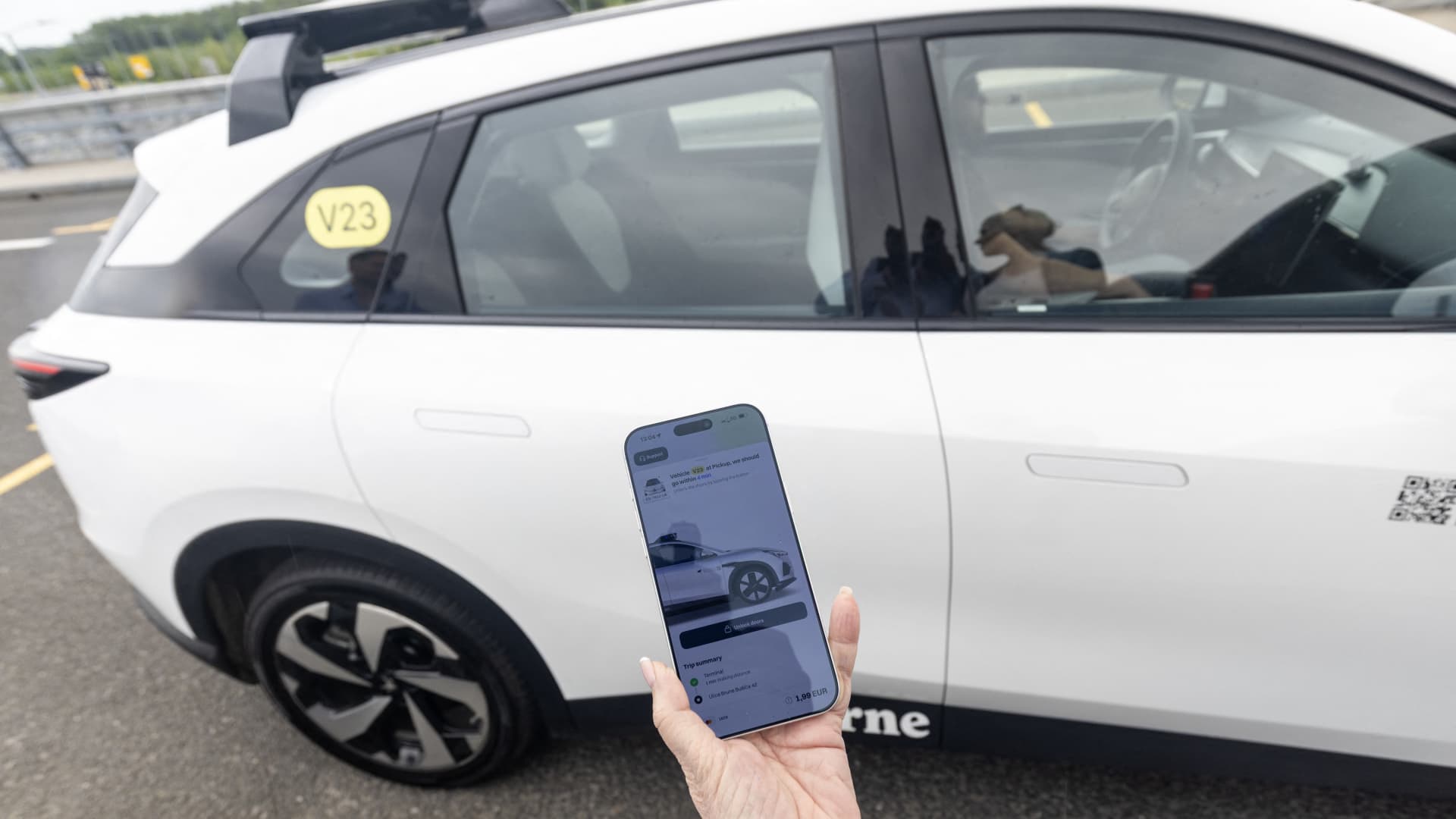
Uber and Chinese autonomous-vehicle company Pony.ai announced Friday that they will deploy 2,000 of Pony.ai's self-driving taxis across Europe and expand the partnership to the Middle East. The two companies launched a commercial robotaxi service in Zagreb, Croatia's capital, in late March—which they claim is Europe's first—and plan to roll out to four other European cities, though they did not name them or share a specific timeframe.
Why it matters
Fleet size is critical for autonomous-vehicle commercialization: more vehicles mean more safety data for regulators and better operational efficiency, which encourages wider consumer use. Uber CEO Dara Khosrowshahi has stated the company's goal is "to become the world's leading commercialization platform for autonomous vehicles." The Pony.ai partnership positions Uber to compete with Alphabet-backed Waymo, which operates around 5,000 vehicles globally and is testing rides in London and setting up in four major EU economies.
What to watch
Pony.ai is scheduled to release quarterly earnings Tuesday. Uber is also pursuing robotaxi expansion elsewhere: it announced a test deployment agreement in Tokyo later this year with a local taxi operator, and WeRide (another Chinese autonomous-vehicle company) and Uber plan to launch Spain's first robotaxi pilot in Madrid later this year.
Summaries like this, in your inbox every morning.
Uber's partnership with Pony.ai reflects the intensifying competition among ride-hailing and autonomous-vehicle operators to establish a dominant global footprint. Waymo, backed by Alphabet, currently leads with around 5,000 vehicles primarily in the U.S., and has begun testing in London and setting up operations in four major EU economies in June. By securing a 2,000-vehicle deployment across Europe with Pony.ai, Uber is positioning itself as a major player in the European robotaxi market while maintaining parallel partnerships with other Chinese autonomous-vehicle companies like WeRide. CEO Dara Khosrowshahi's stated ambition—to build a "super set of data" that accelerates autonomous-vehicle development across the industry—suggests Uber sees itself not just as an operator but as a platform that can leverage partnerships to grow faster than any single autonomous-vehicle developer could alone. The deployment across multiple continents (Europe, Middle East, and Japan) indicates that regulatory readiness and commercial viability are advancing beyond isolated pilot projects.
Pick your industry and the AI tools you use, and get news related to your work every day.
Free · 30 seconds with Google · unsubscribe anytimeWhat is AIToday? →
Ask AI anything about this article. The AI reads this article, earlier AIToday articles, and Wikipedia, and cites its sources. Q&As are published on this page for other readers too.
In Q2, billionaires or their funds sold six 'Magnificent Seven' AI stocks

Nvidia was rising early Friday, even as the wider chip sector kept falling, Barron's reported

ElevenLabs completed a $300 million employee tender at a $22 billion valuation, and co-founder Mati Staniszews…

On October 15, OpenAI announced the Rosalind Academic Plan, giving approved US university labs free access to…

JR Central announced the S0系 on October 16, its first full model change since the N700S, with commercial servi…

Neostellar Capital principal Evan Schlossman said CoreWeave's $103.7 billion in remaining performance obligati…