In October, Nvidia invested $1 billion in Nokia through newly issued stock at a price of $6.01 per share. The collaboration will integrate Nvidia's GPU-powered AI platforms directly into Nokia's RAN (radio access network) portfolio to create commercial solutions that embed AI into mobile networks.
Nokia and Nvidia are developing AI-RAN technology that optimizes spectrum usage, reduces energy consumption, and handles surging data traffic from expanding AI workloads. The partnership positions Nokia as a bridge between traditional telecom infrastructure and the AI economy.
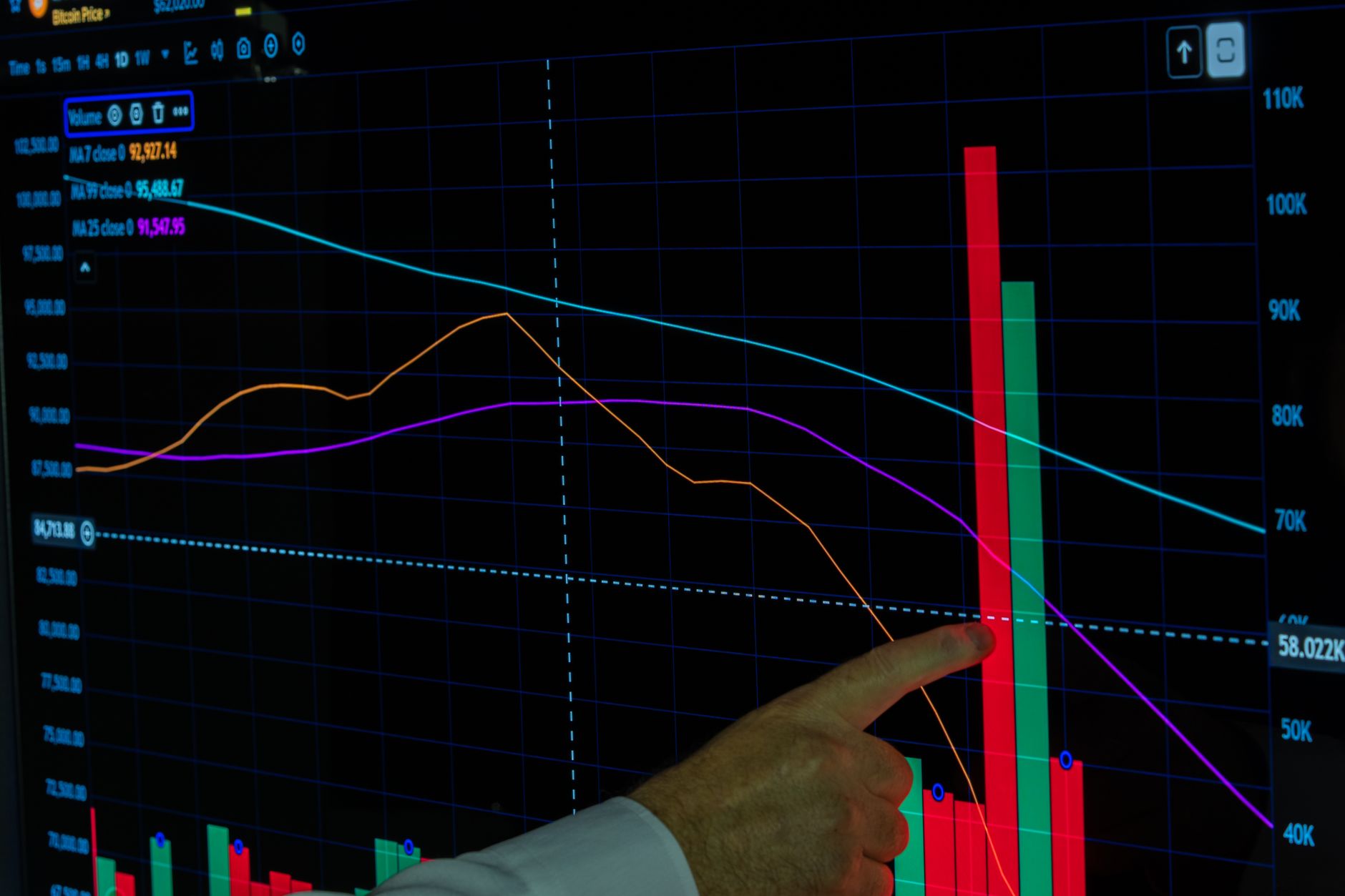
Nokia's shares have risen from multiyear lows around $4 to highs near $13 in recent months, hitting 16-year peaks following strong first-quarter earnings. The AI-RAN rollout remains in its early innings, with meaningful revenue years away as AI infrastructure build-outs continue.
Summaries like this, every morning.
Pick your industry and the AI tools you use, and get news related to your work every day.
Free · 30 seconds with Google · unsubscribe anytimeWhat is AIToday? →
Ask AI anything about this article. The AI reads this article, earlier AIToday articles, and Wikipedia, and cites its sources. Q&As are published on this page for other readers too.
ResearchAndMarkets.com added its "Asset Tracking Artificial Intelligence (AI) Market Global Report 2026," proj…

T-Mobile announced new AI-powered intelligence and resilience capabilities for its 5G network, aiming to make…

Copper futures sank to their lowest since April, with three-month copper (HG1:COM) on the London Metal Exchang…

At the Jefferies Global Healthcare Conference in London, Pfizer CEO Albert Bourla said Chinese biotech will be…

Amphenol reported record third-quarter sales of $10.2 billion, up 65% from a year earlier, and said roughly 36…
Nvidia shares jumped in premarket trading on a strong AI outlook, while Lowe's shares fell, Investing.com repo…