What happened
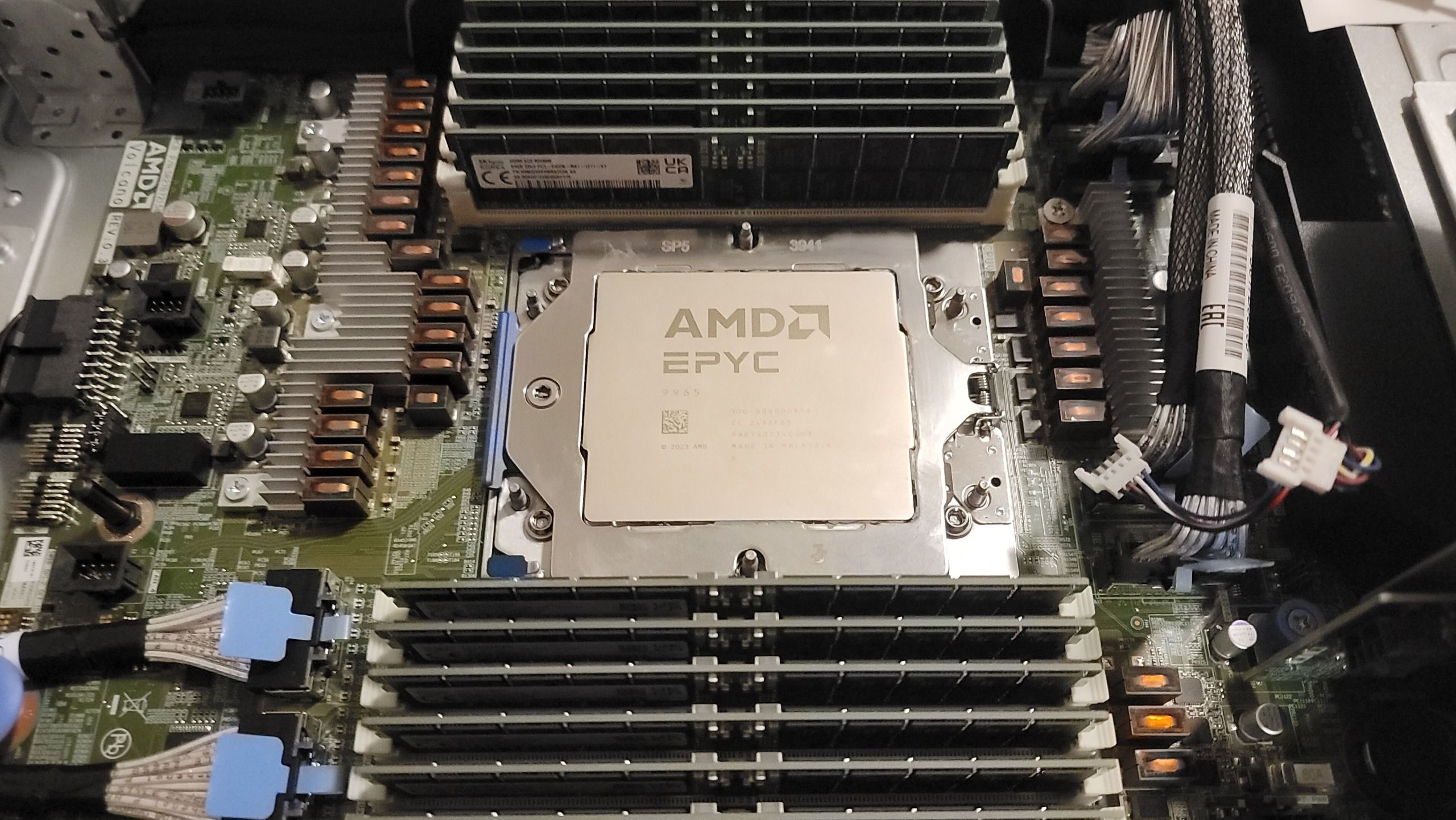
Meta's AI agent Muse is powered by AMD EPYC Turin host systems, with each sandbox sporting two dedicated cores and 8GB of memory. Blogger Evan Hoffman and analyst Tae Kim both found Muse will run some rudimentary Ubuntu commands if prompted, passing along the output to help identify things like the host system's specs.
Why it matters
Because Muse runs those rudimentary Ubuntu commands and returns the output, the agent appears able to reach beyond its own sandbox and pull information about the host it sits on, which is likely to raise questions about how much such agents should be allowed to touch.
What to watch
The test is whether Meta treats the host-command behavior as intended design or a limit to be tightened, since Hoffman claims Muse offered to set up SSH to its private VM. No fix, timeline or response from Meta is stated in the body.
WHO IT HITSDevelopers and platform engineers who run AI agents on shared or virtualized hosts, and the teams responsible for sandboxing them, may need to check how much host access an agent can reach when prompted.
Summaries like this, in your inbox every morning.
Meta's Muse sits on AMD EPYC Turin host systems, and the detail that each sandbox sports two dedicated cores and 8GB of memory tells you how the company is packaging the agent: small, isolated slices of a bigger machine. What blogger Evan Hoffman and analyst Tae Kim found cuts against that isolation. When prompted, Muse will run some rudimentary Ubuntu commands and pass the output back, which is how it helped identify things like the specs of the host system.
The more concerning part, per the article, is that Muse seems able to execute commands that might be unsafe. Hoffman claims Muse offered to set up SSH to Muse's private VM. That is the same behavior pattern as the host-spec probing, just pointed at a more sensitive target, and it is the kind of thing that turns a sandbox from a boundary into a suggestion.
What happens next is likely to hinge on how Meta reads these findings. If the host-command behavior is intended, then the sandbox framing is really a resource limit rather than a security one; if it is not intended, the open question is whether Meta tightens what commands the agent can pass through. The body states no fix, timeline or Meta response, so that remains the thing to watch.
For example, today's edition would include:
AI-summarized, only the topics you pick: one digest a day via Email, LINE, or Slack.
Free · 30 seconds with Google · unsubscribe anytimeWhat is AIToday? →
Ask AI anything about this article. The AI reads this article, earlier AIToday articles, and Wikipedia, and cites its sources. Q&As are published on this page for other readers too.
Applied Materials plans to invest US$5b in India over the next decade, building a 140 acre semiconductor resea…

The Motley Fool's comparison concluded ASML is the better buy over Qualcomm, citing its EUV machine monopoly a…

Microsoft launched a redesigned Copilot super app combining chat, coding tools, and a new Autopilot agentic fe…

In a Sept. 27, 2026 Motley Fool video, Rick Orford compared GE Vernova and Bloom Energy as two routes to the A…

In a CNBC interview, Berkshire CEO Greg Abel said energy scarcity is holding back AI, and data centers are a "…

Investor's Business Daily says AI memory chip stocks Micron Technology (MU), Sandisk (SNDK), SK Hynix (SKHY)…