
What happened
AI's workplace efficiency gains often disappear because companies never define where saved time should go. One example cited: a task that once took 15 days now finishes in 15 minutes, but it happens only once a year, making the effort negligible.
Why it matters
Without a baseline measured before AI adoption, reported savings are misleading. Even when time is freed, if no one decides its destination—such as cutting overtime—other work quietly fills the gap, and no cost reduction appears on the income statement.
What to watch
The article warns that tools canceled after moving in-house can raise costs. Maintenance work hides in overtime hours, unlike visible license fees, and new duties like security logs and usage guidelines add workload that often isn't subtracted from savings.
Summaries like this, in your inbox every morning.
While news of AI-driven job cuts abroad circulates, many workplaces see no relief. The author claims the issue isn't that AI fails but that its effects are absorbed. Measurement problems start with missing baselines, so reported gains often reflect what was easy to measure rather than real burden reduction.
Management expects headcount or cost improvements, but teams can only report time saved. Without agreed conversion rules, results stall. Also, AI creates new tasks like policy setting and security monitoring, which are rarely subtracted from efficiency gains, potentially making IT departments busier than before.
Pick your industry and the AI tools you use, and get news related to your work every day.
Free · 30 seconds with Google · unsubscribe anytimeWhat is AIToday? →
Ask AI anything about this article. The AI reads this article, earlier AIToday articles, and Wikipedia, and cites its sources. Q&As are published on this page for other readers too.
OpenAI announced its latest LLMs will be available on Google Cloud's Model Garden, starting with flagship GPT-…

Tesla's third quarter showed its vehicle business regaining some per-car profitability, even as total sales st…

At GTC Berlin on October 21, Nvidia unveiled reference designs and software extending its reach from GPUs to h…

PHP developers released urgent fixes on Wednesday for critical vulnerabilities that had lurked in the widely u…
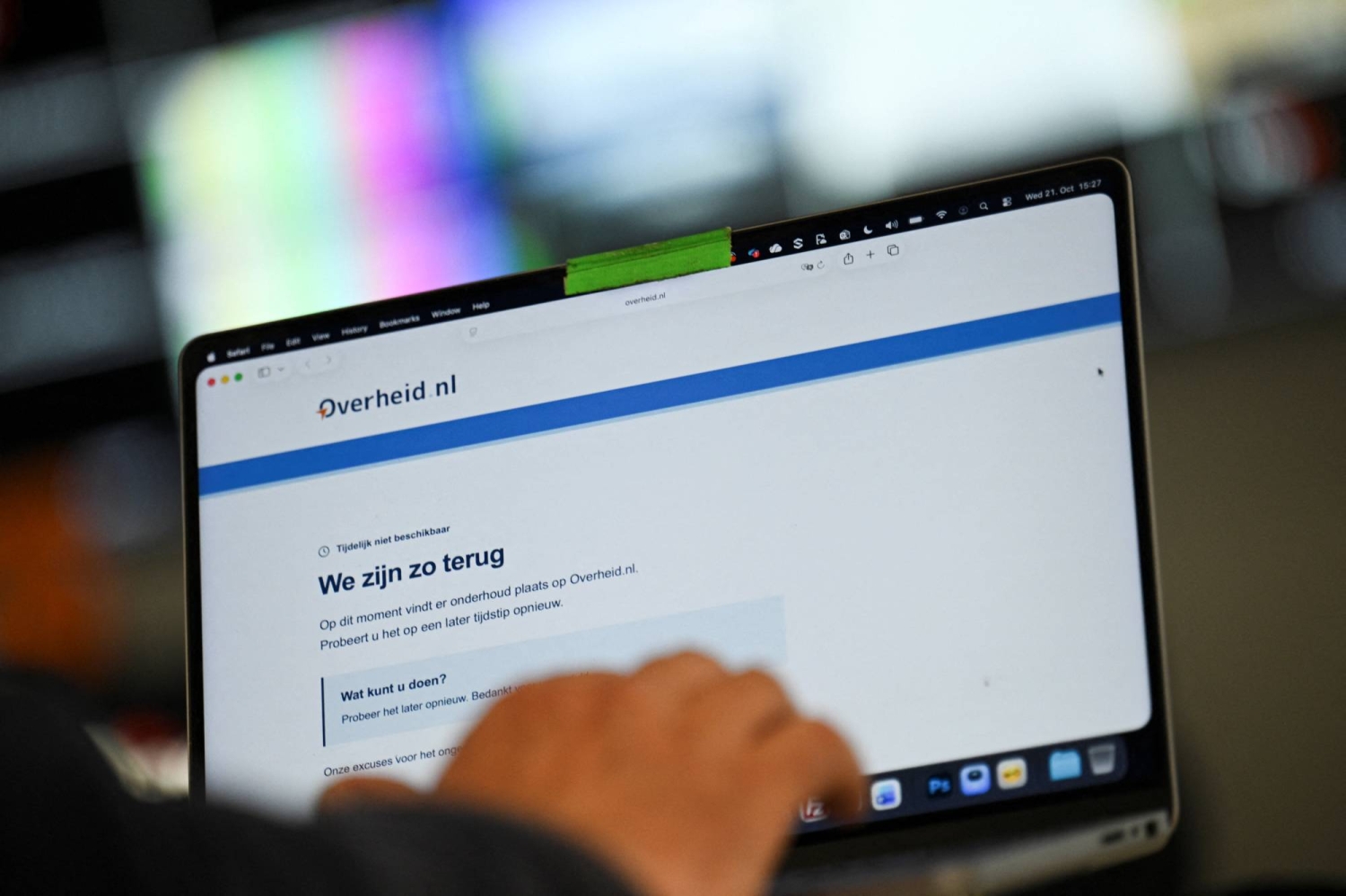
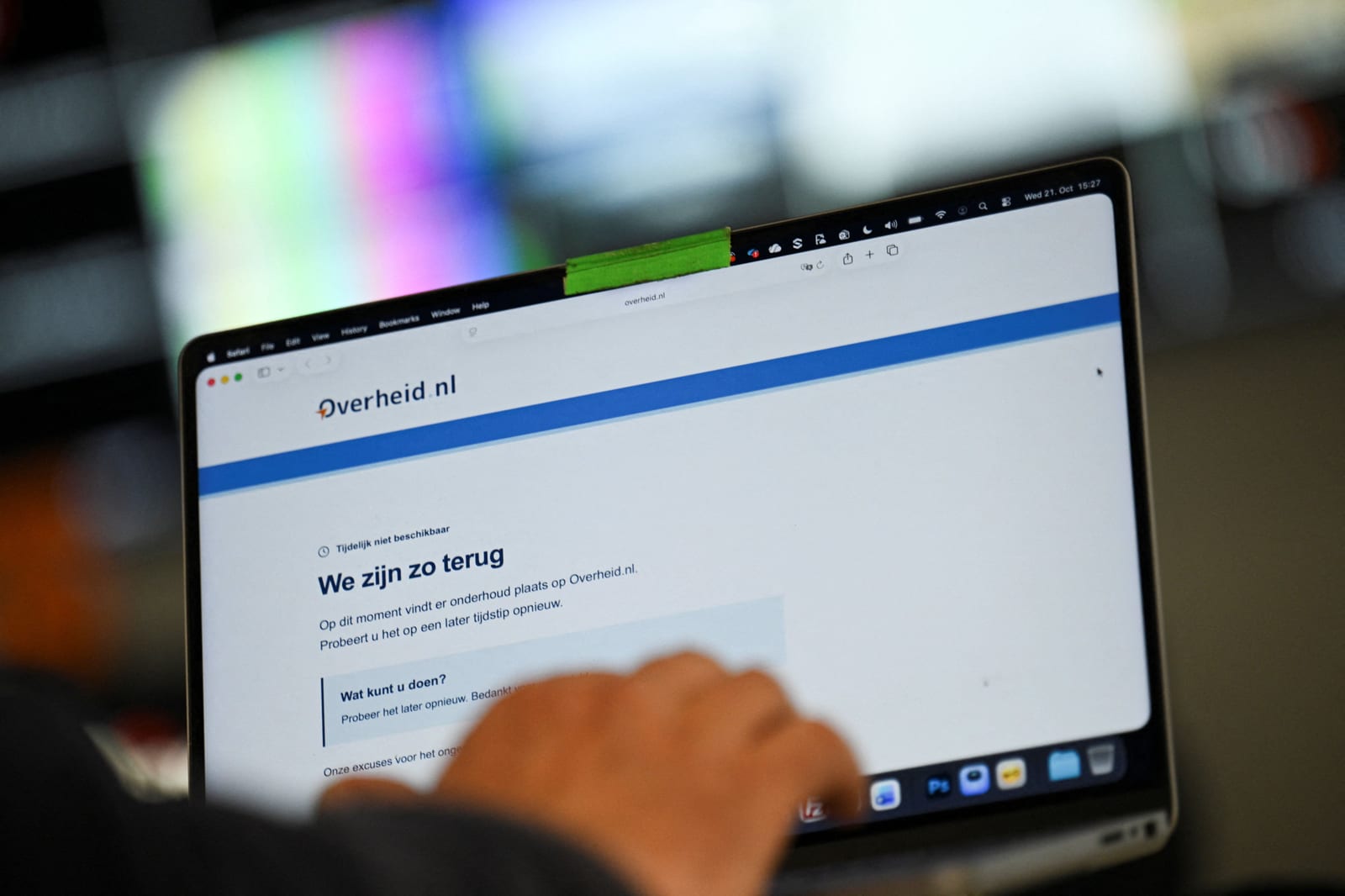
France, Denmark, Finland, and the Netherlands took government websites offline Wednesday after developers used…
Elon Litman showed that a loss term built from (2^30 + u) − 2^30 reads 0.0 in float32 while PyTorch's autograd…