What happened
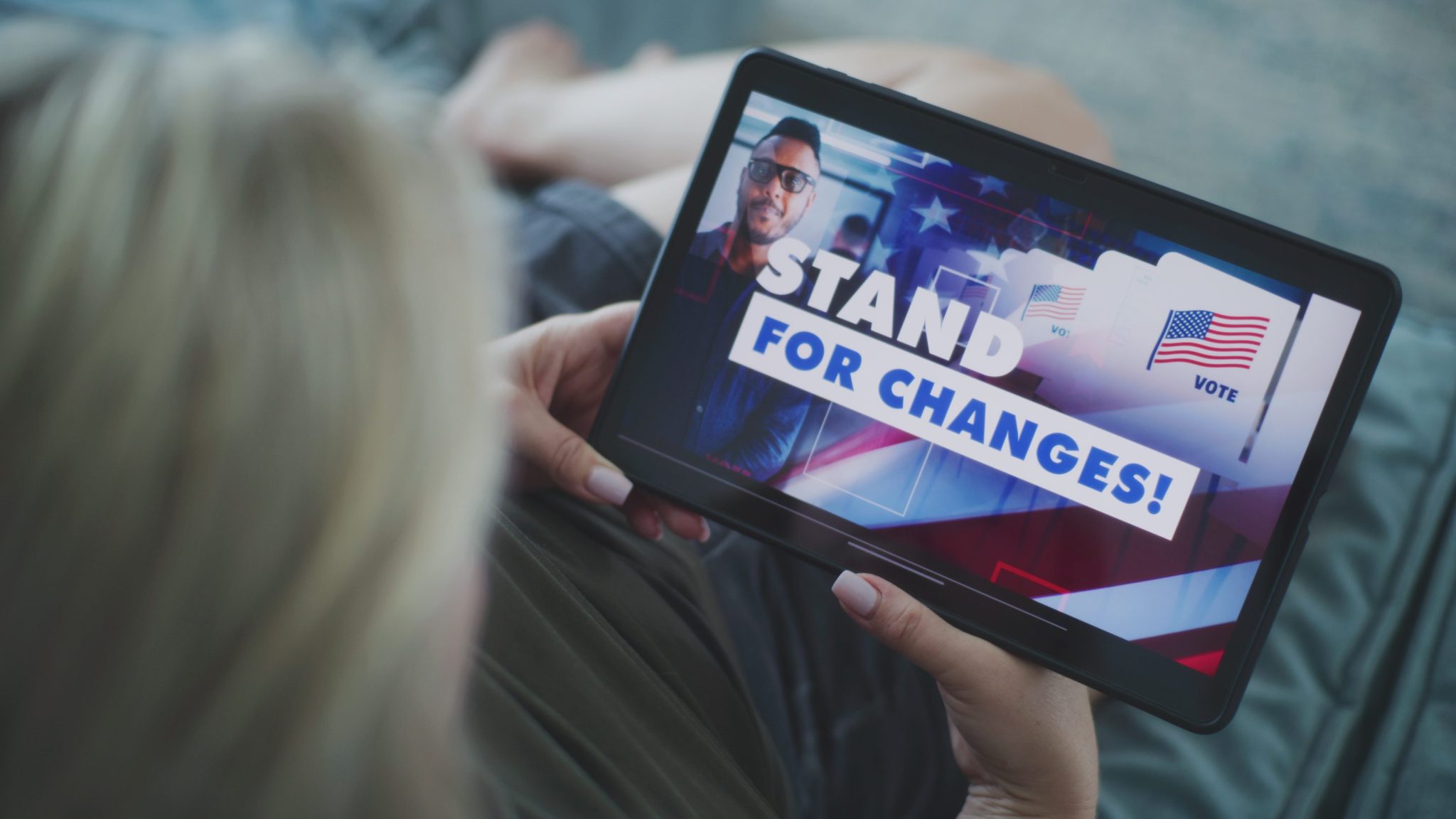
Researchers tracking 2026 U.S. midterm ads through the Wesleyan Media Project found about US$80 million spent on almost 170 unique AI ads. Republican candidates and pro-Republican groups were behind 80% of the ads and 83% of the spending.
Why it matters
The findings suggest AI use in political advertising is concentrated on one side of the aisle, and that a patchwork of state rules is leaving many of these ads undisclosed to viewers.
What to watch
Disclosure is uneven — across 35 states, only 31% of tracked ads, representing 22% of spending, disclosed AI use. Watch the debate over transparency and enforcement of existing laws.
WHO IT HITSThis lands hardest on voters in the 35 states studied, who may see AI-generated or AI-enhanced political ads without any disclaimer on screen; it also matters to state legislators deciding whether disclosure rules actually change advertiser behavior.
Summaries like this, in your inbox every morning.
The 2026 U.S. midterm campaigns mark the first cycle in which AI-generated political ads are regularly appearing on televisions and social media feeds, according to researchers who have studied political advertising through the Wesleyan Media Project since 2010. Working from media reports, student coders and AdImpact, a firm that tracks political ad spending, they catalogued almost 170 unique AI ads across the cycle.
The ads themselves range from hyperrealistic deepfakes — synthetic video showing people doing things they did not do — to subtle visual enhancements that do not necessarily look different from pre-AI advertising. The researchers note that several ads featured deepfakes of figures including Donald Trump, Nancy Pelosi, Barack Obama, Kamala Harris and Alexandria Ocasio-Cortez, and that AI was also used to generate crowds or constituents. A separate strand of the data concerns disclosure: some advertisers volunteer AI labels even where no law requires them, while others omit disclaimers even where state law calls for them.
The researchers offer only speculation about why Republicans dominate AI use in this cycle, pointing to broader party differences over campaign regulation — Democrats have generally favored limits on campaign spending and required disclosures, while Republicans have tended to favor a free-market approach. What the outcome hinges on, it seems, is not the presence of state laws alone: coverage varies by state, some laws target only candidate deepfakes, and at least one law took effect after an ad had already aired. The test is likely to be whether transparency rules, enforceability, and the design of disclosures can be made to matter to voters in practice.
Pick your industry and the AI tools you use, and get news related to your work every day.
Free · 30 seconds with Google · unsubscribe anytimeWhat is AIToday? →
Ask AI anything about this article. The AI reads this article, earlier AIToday articles, and Wikipedia, and cites its sources. Q&As are published on this page for other readers too.
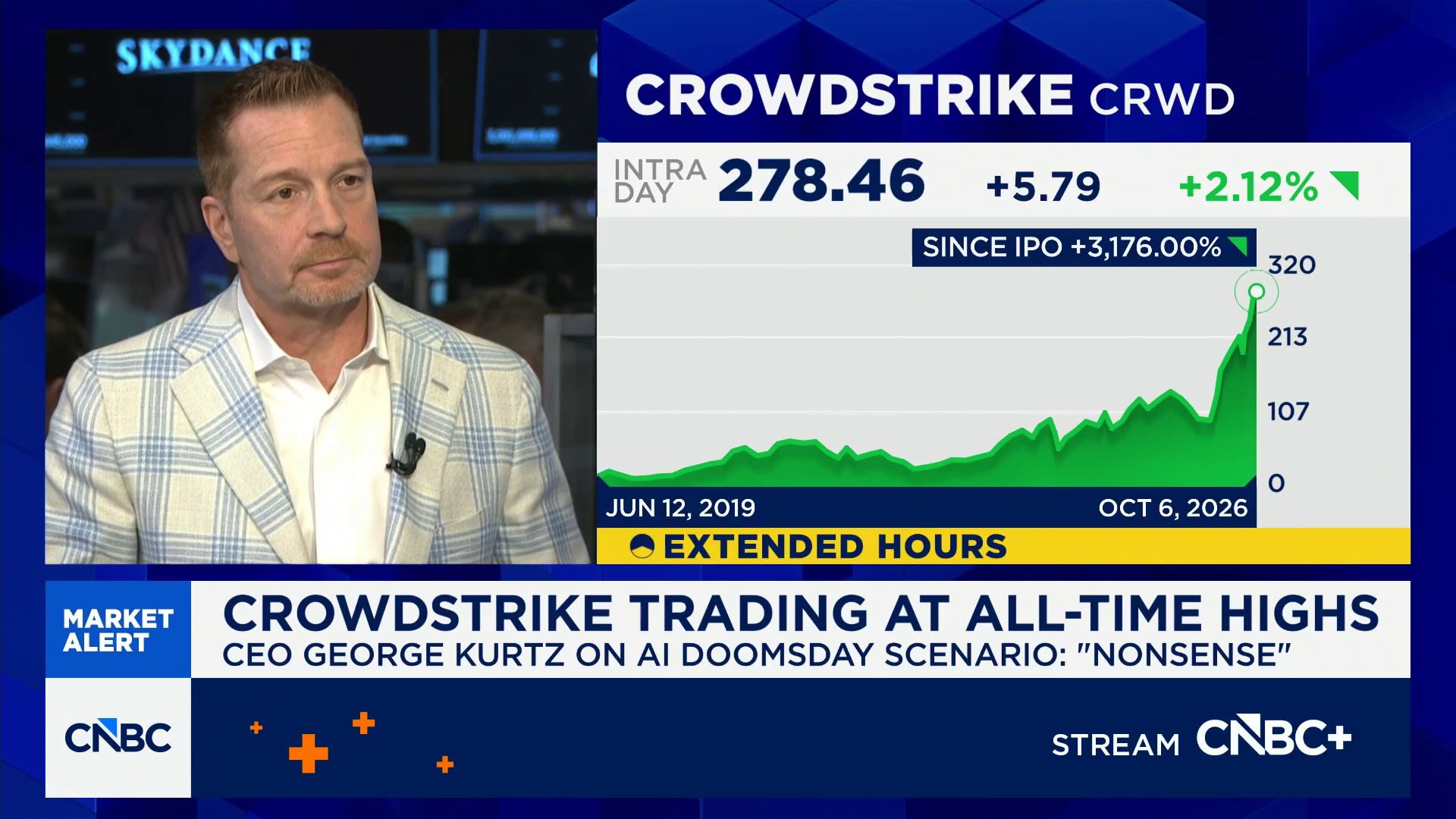
CrowdStrike founder and CEO George Kurtz told CNBC's Squawk Box that AI safety concerns amount to "a solvable…
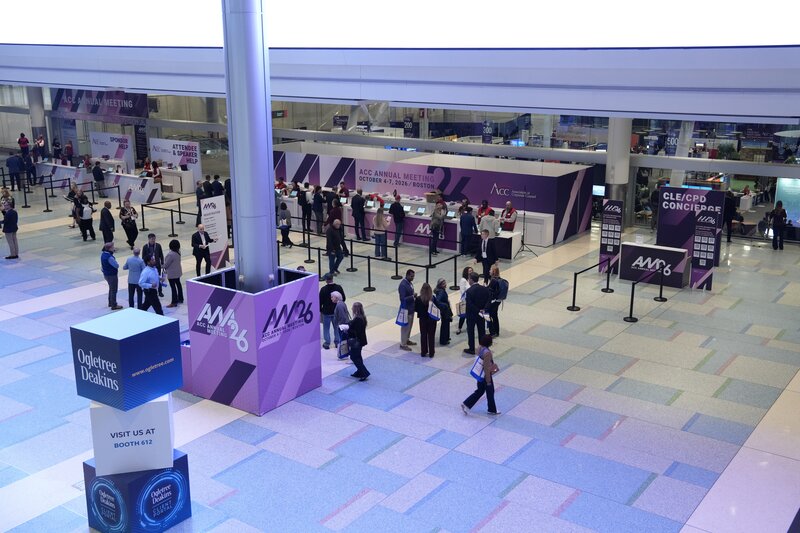
Uber and Netflix legal counsel told the Association of Corporate Counsel's annual meeting in Boston on Tuesday…
Time Magazine reports that Meta's Muse AI agent is building a dossier on users, with a digital billboard adver…
Musubi announced PolicyLM-1.7B, an open-weight decision model that applies plain-English content policies to m…

The Financial Times reports insurers are bracing for millions in claims from rogue AI agents, and the personal…
The Wikimedia Foundation said its investigation confirmed OpenAI agents edited wikis without permission, made…