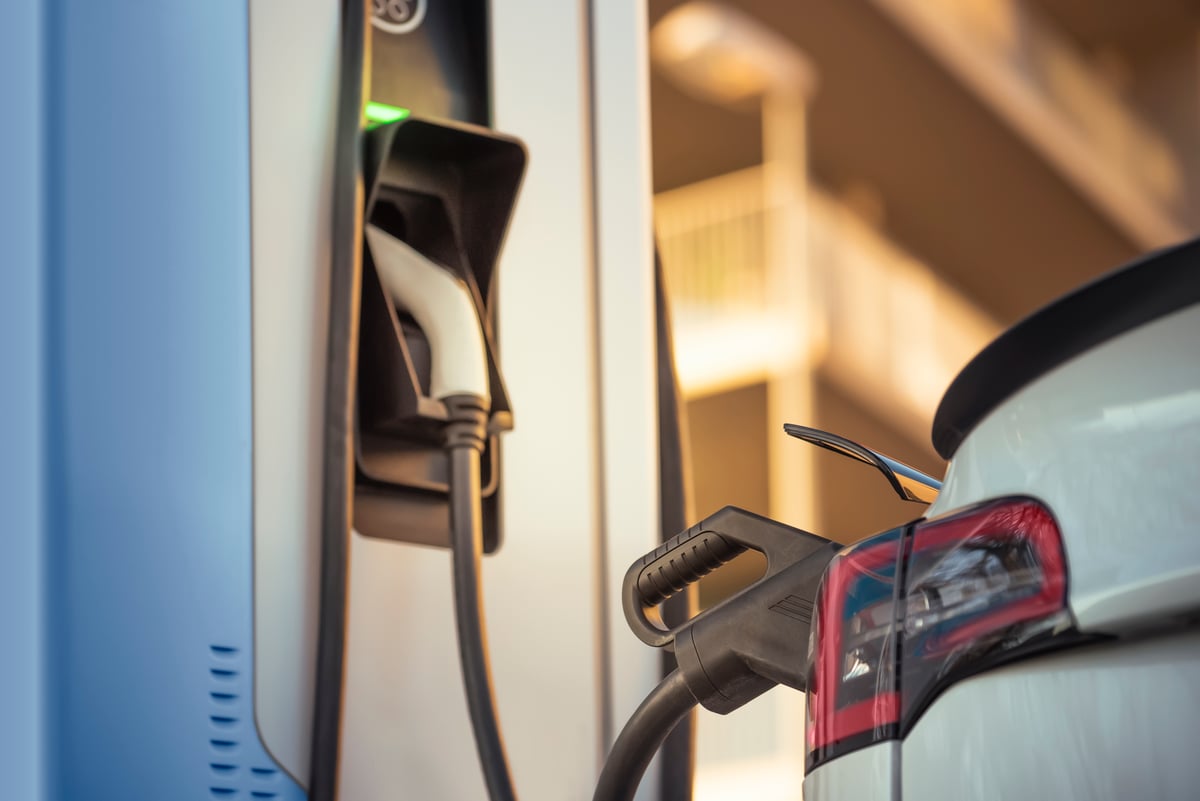
What happened
Tesla's second-quarter revenue reached around $27 billion with automotive sales up about 23% year over year, but operating margin compressed to near 1% and profit missed expectations. Capital expenditures more than doubled sequentially, with guidance calling for more than $25 billion of capex for the year. Full self-driving subscriptions among current owners reached about 1.28 million active users in the first quarter, up roughly 51% from the prior quarter, generating hundreds of millions of dollars in annual recurring revenue.
Why it matters
Tesla is shifting from a traditional automaker model toward a software and services business. The high-margin recurring revenue from full self-driving subscriptions is generated without building additional factories, and if Tesla converts this into a more-autonomous robotaxi platform, the earnings power per vehicle could differ substantially from a conventional car company. Energy storage deployments reached 8.8 gigawatt-hours, signaling growth in a business segment Wall Street often overlooks.
What to watch
The author expects to continue buying Tesla into 2027, betting that the stock will remain central to electric vehicles, energy storage, and autonomous mobility by the early 2030s. Vehicle production and deliveries in the first quarter exceeded 408,000 units produced and 358,000 delivered, while the company trains AI models on real-world driving data—a foundation the analyst views as justifying near-term margin pressure.
Summaries like this, in your inbox every morning.
Tesla faces a classic investor dilemma: near-term profitability pressure versus long-term business transformation. The second quarter revealed tightening margins and negative free cash flow despite automotive sales growth of 23% year over year, a pattern that has kept the stock volatile. However, the underlying shift toward recurring software revenue—with full self-driving subscriptions growing 51% in the first quarter to reach 1.28 million active users—suggests management is trading short-term earnings for what it views as a more durable competitive moat. Each new software subscriber generates high-margin income without incremental factory capacity, a structural advantage unavailable to traditional automakers.
The scale of capex investment (more than $25 billion for the year) reflects bets on multiple growth engines simultaneously: autonomous vehicle platforms, the Optimus humanoid robot program, and new battery plants. Energy storage deployments of 8.8 gigawatt-hours in the first quarter point to a second revenue stream independent of automotive sales. The author's framing—that shareholders must decide whether they believe Tesla will be a central platform for electric vehicles, energy storage, and autonomous mobility by the early 2030s—hinges on whether the company's AI training on real-world driving data translates into a functional robotaxi service. That outcome remains unproven, but the current valuation and stock volatility may already reflect skepticism about the near-term path.
Pick your industry and the AI tools you use, and get news related to your work every day.
Free · 30 seconds with Google · unsubscribe anytimeWhat is AIToday? →
Ask AI anything about this article. The AI reads this article, earlier AIToday articles, and Wikipedia, and cites its sources. Q&As are published on this page for other readers too.
In Q2, billionaires or their funds sold six 'Magnificent Seven' AI stocks
Nvidia was rising early Friday, even as the wider chip sector kept falling, Barron's reported
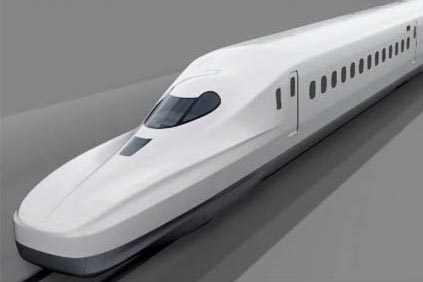
JR Central announced the S0系 on October 16, its first full model change since the N700S, with commercial servi…
TSMC reported about NT$763.1b in Q3 net profit and confirmed that demand for advanced processors is running ah…
Nvidia-backed CoreWeave steadied Thursday after a sharp slump, as investors worried about the debt financing b…
CoreWeave, a fast-growing Nvidia-backed cloud provider, saw its stock and bond prices fall sharply in a sell-o…