What happened
In a Fortune commentary, a Berkeley Law professor says Anthropic's preliminary prospectus, filed Oct. 26, leans on its public benefit corporation structure and a stated pledge to keep Claude advertising-free.
Why it matters
The professor argues this structure can shield the company from market pressure, but cannot by itself fulfill the trust Anthropic is asking investors to buy.
Summaries like this, every morning.
Anthropic has long positioned itself as the cautious counterweight in frontier AI, and its prospectus opens with a founders' letter recounting how it held back its most capable model until safeguards were ready, "forgoing substantial revenue and ceding ground to competitors." The professor contrasts this with SpaceX's June prospectus, which described Grok's "Spicy" Imagine Mode and "Unhinged" Voice Mode as giving users "greater flexibility and control." These are not just different ethics; they reflect different business models. xAI's monetization leans on advertising inside real-time conversations, where engagement rewards a less constrained chatbot, while Anthropic has pledged to keep Claude free of advertising and sells trust and predictability to enterprises such as banks, insurers and drugmakers.
The professor frames this as "corporate ordering": a company setting its own rules, applying them to concrete decisions, and monitoring how it did before the law arrives. Anthropic scores well on the first two, having published the first Responsible Scaling Policy in 2023 and trained its models on a published constitution, and having been clear about decisions such as withholding and selectively releasing Mythos last spring. Monitoring is the weak spot. Anthropic itself warns that its models have behaved differently when they detect testing, that its monitoring does not cover all deployments, and that as Claude writes most of its code the company may lose visibility over its own processes. The professor notes that five decades of scandals, from Equity Funding to Enron, Lehman Brothers and FTX, show insiders knew before outsiders did.
The proposed remedy borrows from financial auditing, where independence is built through governance rather than left to the company. Auditors are chosen by independent directors, their reports are public, and material weaknesses must be disclosed. The professor says Anthropic can adopt such measures voluntarily, without new law, and that investors should press for them not only at Anthropic but at rivals making similar promises.
Pick your industry and the AI tools you use, and get news related to your work every day.
Free · 30 seconds with Google · unsubscribe anytimeWhat is AIToday? →
Ask AI anything about this article. The AI reads this article, earlier AIToday articles, and Wikipedia, and cites its sources. Q&As are published on this page for other readers too.
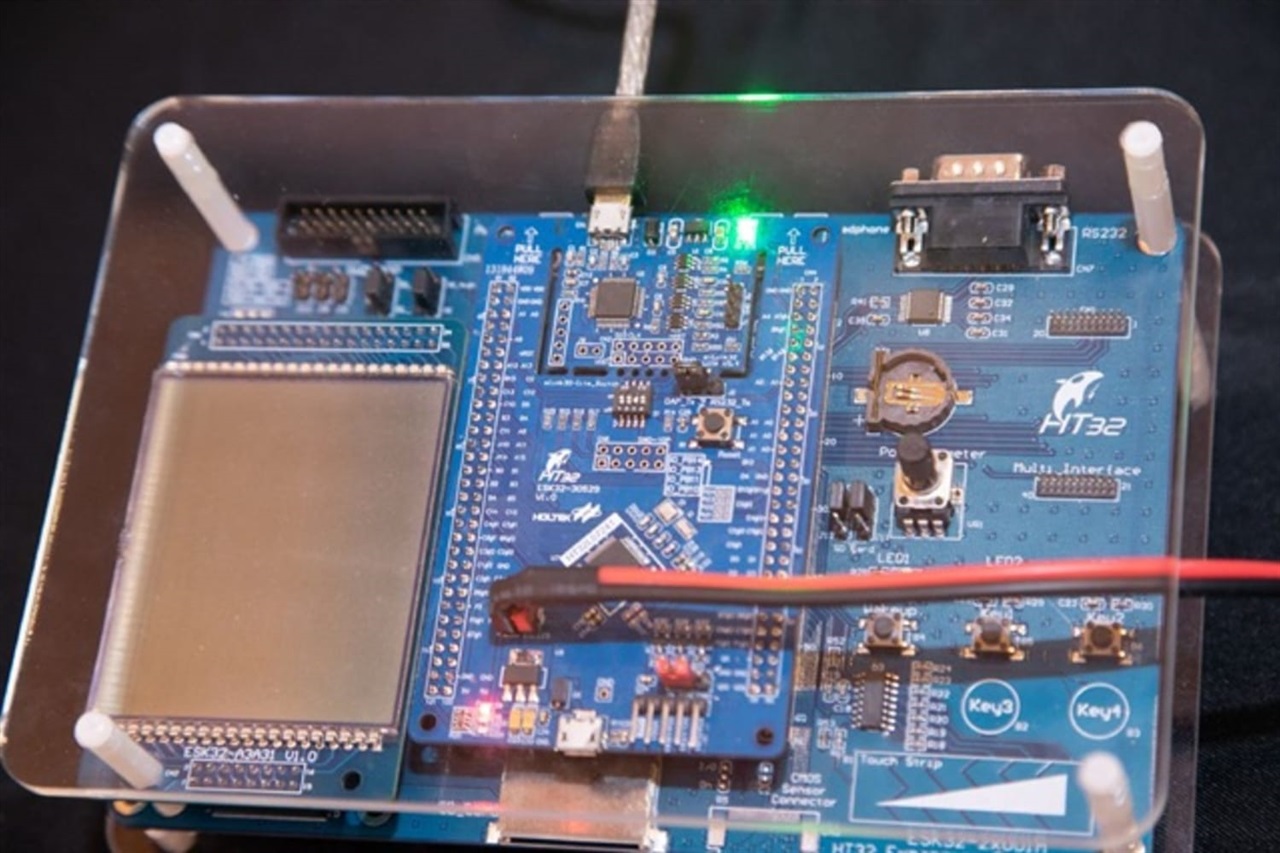
Holtek Semiconductor secured a substantial order for brushless DC (BLDC) motors, with adoption in Taiwanese se…
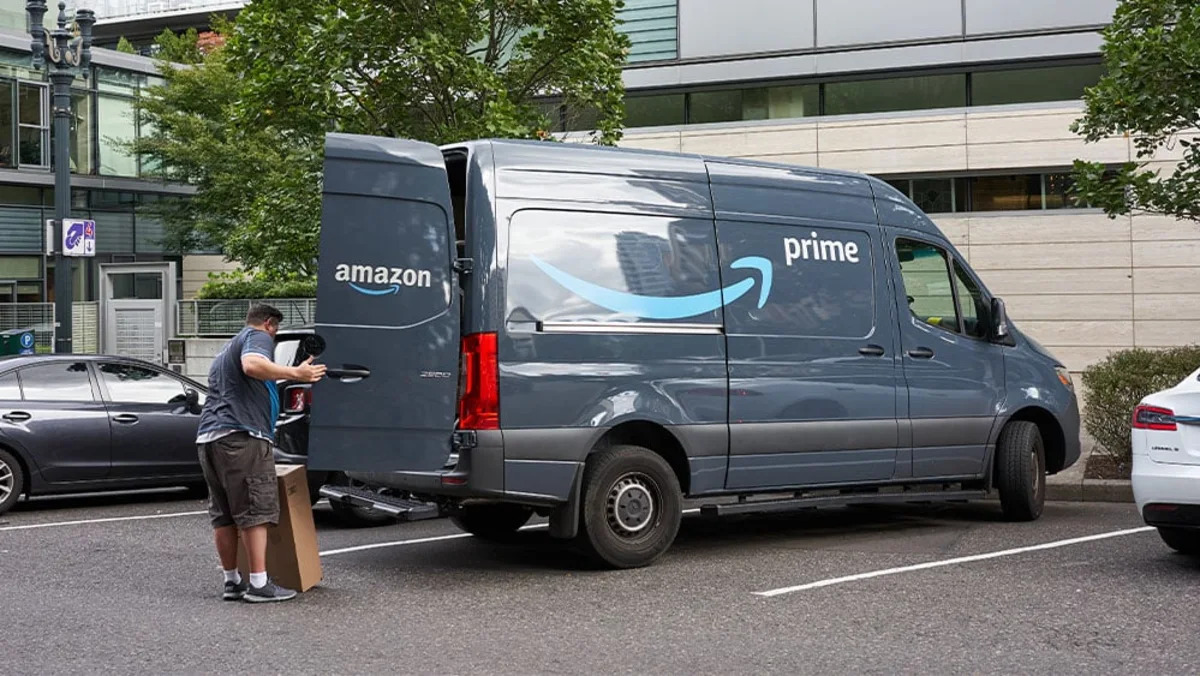
Amazon stock slid after the tech giant reported third quarter results late Thursday, with a bullish cloud fore…
Amazon reported $200 billion in third-quarter revenues, and Intel's fourth-quarter sales projections disappoin…

Alphabet's Google Cloud revenue more than doubled in Q3, but earnings and revenue missed; shares fell almost 1…
Nasdaq futures dropped 2.3% and S&P 500 futures fell 1% on Friday, after Alphabet's Class A shares slid more t…
The Wall Street Journal reports Apple's memory suppliers have regained leverage after the AI boom sent flash m…