What happened
Research by Boston University professor Emma Wiles found that when AI agents are framed as "employees" rather than software tools, people catch 18% fewer errors in their work. Nearly a third of 1,261 managers surveyed said their companies already frame AI agents as employees, with some listing them on organizational charts.
Why it matters
When AI tools are labeled as coworkers, humans feel less responsible for their output and are 44% more likely to escalate questionable work to a manager instead of correcting it themselves—defeating the time-saving purpose of using the agent. As AI agents move into healthcare, warfare, education, and government, this dynamic risks creating a convenient place to blame failures that actually stem from human decisions and oversight.
What to watch
At Stanford, researchers asked 1,500 workers across 104 jobs which tasks AI could actually help with in their roles. Workers often rejected tasks that tech experts deemed most suitable for AI automation, suggesting a gap between what companies assume workers need and what workers themselves want from AI tools.
Summaries like this, in your inbox every morning.
Pick your industry and the AI tools you use, and get news related to your work every day.
Free · 30 seconds with Google · unsubscribe anytimeWhat is AIToday? →
Ask AI anything about this article. The AI reads this article, earlier AIToday articles, and Wikipedia, and cites its sources. Q&As are published on this page for other readers too.
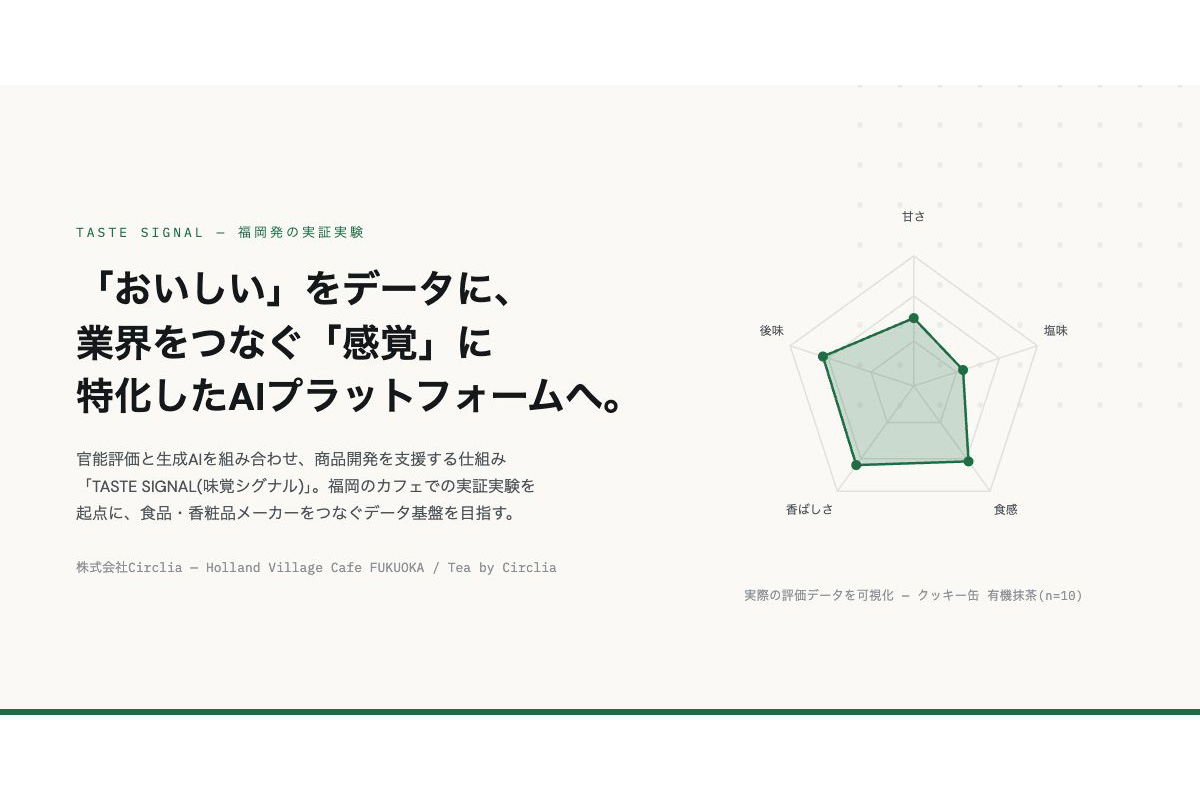
Circlia started a proof-of-concept for TASTE SIGNAL: visitors to Holland Village Cafe FUKUOKA taste cookies an…
In a webinar hosted by French Mathematical Society president Isabelle Gallagher, Fields Medal winner Hugo Dumi…

NVIDIA released Nemotron 3.5 Super VL, an open-weight model with 120 billion parameters that handles text, ima…

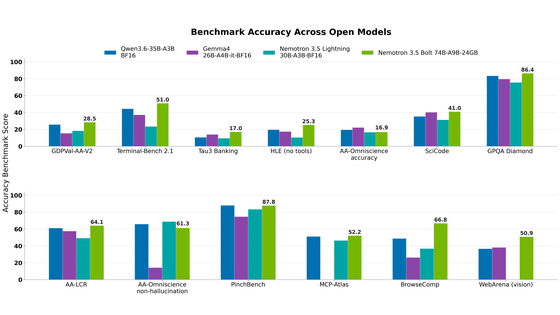
NVIDIA released Nemotron 3.5 Bolt 74B-A9B 24GB, an AI model for local agents that hits over 80 tokens per seco…
NVIDIA published a blog post titled "AI Security Is an Engineering Problem - How to Solve It at Every Layer of…

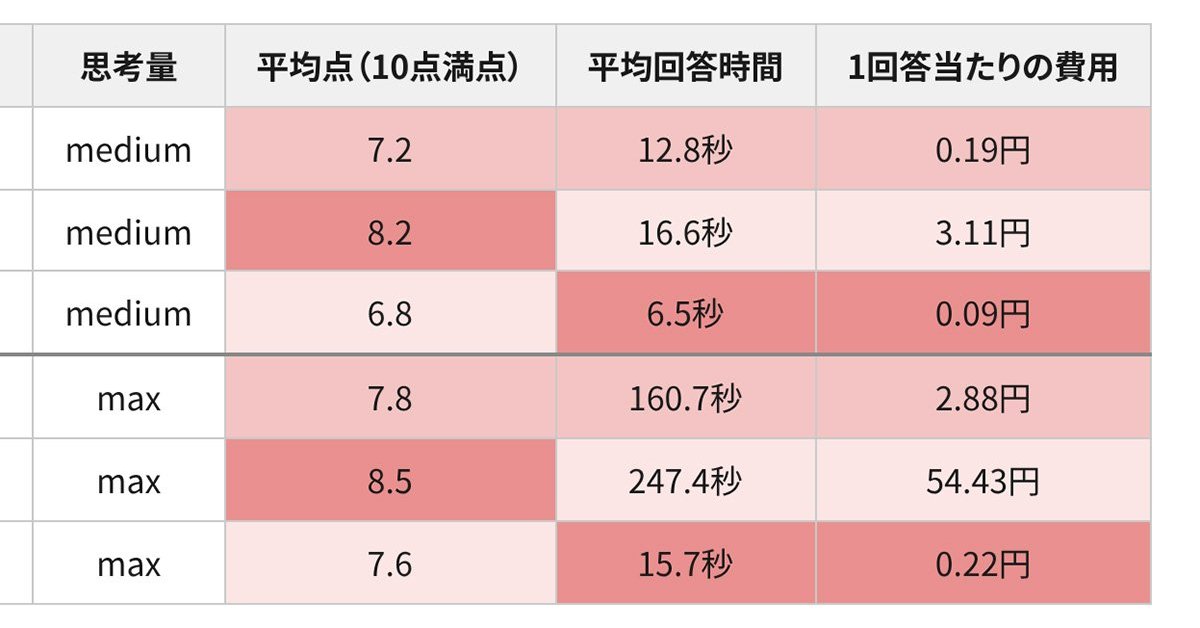
In the test, Haiku 5.5 on medium setting averaged scores close to Sonnet 5.5 on routine documents at about 1/1…