Prologis is capitalizing on surging demand from AI companies and cloud providers for industrial space to house data centers and computing infrastructure.
While this opens a valuable new market opportunity, the capital-intensive nature of upgrading facilities to support AI's extreme power and cooling requirements threatens to offset gains, as the company must choose between absorbing costs or risking tenant loss if rents rise too steeply.
What happened
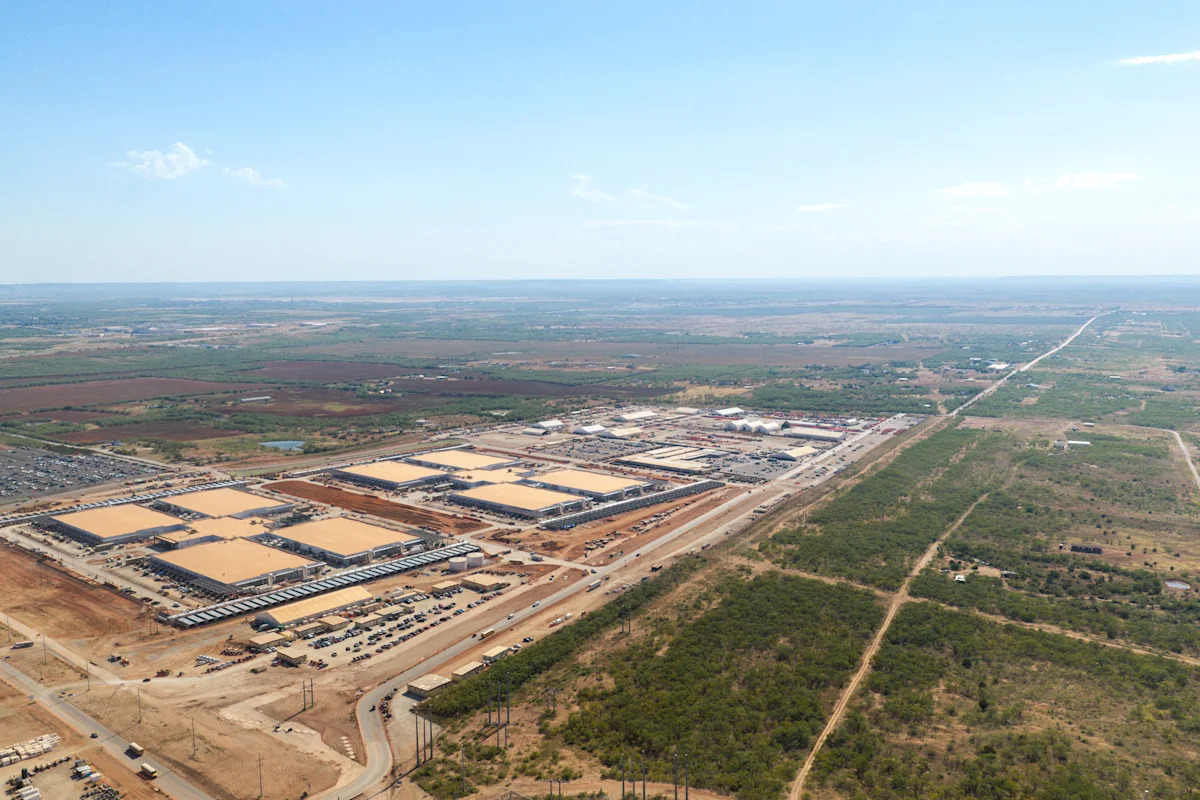
Prologis, a major industrial real estate investment trust (REIT), is seeing increased demand for its warehouse and logistics facilities driven by artificial intelligence infrastructure buildout and data center expansion.
Why it matters
AI companies and hyperscalers (large cloud providers) require massive amounts of physical space for servers and equipment, creating a new revenue stream for property owners. However, the cost to upgrade existing facilities and build new ones to meet AI's power and cooling demands is substantial, which could pressure profit margins.
What to watch
Investors should monitor whether Prologis can pass increased infrastructure costs to tenants through higher rents, or whether competition for AI-focused properties will limit pricing power.
Ask the AI about this article →
Prologis is positioned at the intersection of two major shifts: the explosive growth of AI infrastructure and the structural demand for industrial real estate. As AI companies and hyperscalers build out data centers, they require spaces that can handle extraordinary electrical loads and sophisticated cooling systems—far beyond the demands of traditional logistics and warehousing. This mismatch creates both an opportunity and a challenge. On the opportunity side, Prologis can lease properties at premium rates to well-capitalized tech tenants who have little choice but to secure space close to their operating hubs. On the cost side, retrofitting or building facilities with the electrical capacity, fiber connectivity, and thermal management systems that AI infrastructure demands requires substantial upfront capital spending. The article frames this tension as the central issue for investors: whether Prologis will be able to capture sufficient rental premium to offset the modernization burden, or whether competitive pressure and tenant sensitivity to costs will limit its pricing power.
For example, today's edition would include:
AI-summarized, only the topics you pick — one digest a day via Email, Slack, or Discord.
Free · takes 30 seconds · unsubscribe anytimeWhat is AIToday? →
Ask AI anything about this article. Q&As are published on this page for other readers too.
BHP, the world's largest mining company by market capitalization, has deployed AI across its operations

Team Liquid announced a new five-year extension of its long-running collaboration with Dell Technologies' Alie…

A University of Mississippi study published in Journal of Interactive Advertising found that AI ads succeed wh…

Goldman Sachs Research says AI supply and demand won't balance until the first half of 2028
Lam Research broke ground yesterday on a new lab in Tualatin, Oregon

Visa, Mastercard, and Fiserv joined the Agentic Payments Alliance (APA), a 26-company coalition led by stablec…