
What happened
One IT/security staffer produced a 6-episode ISMS training anime series (approx. 70 minutes, over 350 cuts) using Claude Code, Codex, Blender, DaVinci Resolve Studio, and VOICEPEAK.
Why it matters
The author says AI has no aesthetic judgment — it returned 'completed!' clips with books embedded in desks and hands floating — so human supervision, inspection scripts, and a director role remained essential.
Summaries like this, every morning.
The author's starting frustration was with conventional ISMS training: slide decks with voiceover narration felt dull to both makers and viewers, and reading the same material directly might be faster than listening to someone else read it. That dissatisfaction drove the switch to an animation format with character dialogue, synthesized voices, and 3D diagrams.
The project relied on a layered division of labor. Claude Code handled design, scripting, progress management, and inspection; Codex produced and corrected illustrations; Blender built 3D sets and diagrams; and DaVinci Resolve handled editing and flat motion. Rendering was a bottleneck: one episode took about 9 hours on a single Mac, and adding a Windows PC with Flamenco's distributed rendering lifted throughput to about 4× the Mac-only speed.
Even with those gains, the lesson is about control. The author set six rules for coordinating multiple AIs, including one owner per file and a separate reviewer from the creator, and wrote stop conditions such as a 4px alignment threshold and Whisper-based checking of pronunciation. Those safeguards reduced visual and audio defects but did not eliminate them, and the token consumption and ¥75,960 in personal software costs frame AI-assisted production as still a heavy human-directed effort rather than a hands-off solution.
Pick your industry and the AI tools you use, and get news related to your work every day.
Free · 30 seconds with Google · unsubscribe anytimeWhat is AIToday? →
Ask AI anything about this article. The AI reads this article, earlier AIToday articles, and Wikipedia, and cites its sources. Q&As are published on this page for other readers too.
The Digital Agency said a public call for Japanese-made large language models for ガバメントAI 源内 in 令和9年度(2027年度)…

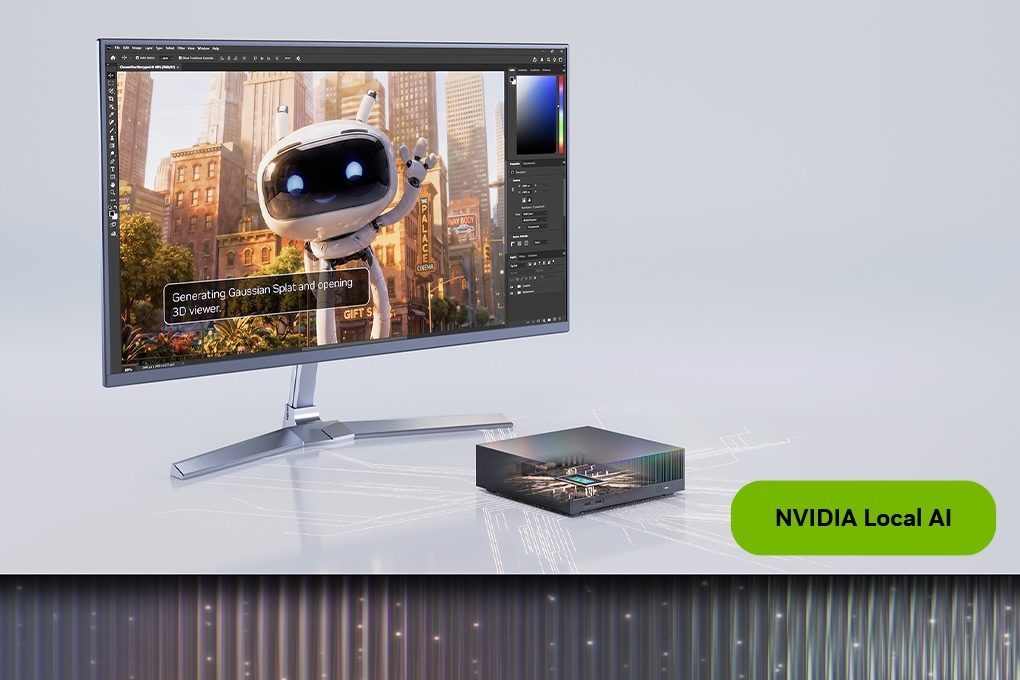
NVIDIA said on November 27 that its RTX Spark compact desktop is on sale from ASUS, Dell and MSI, with a 20-co…
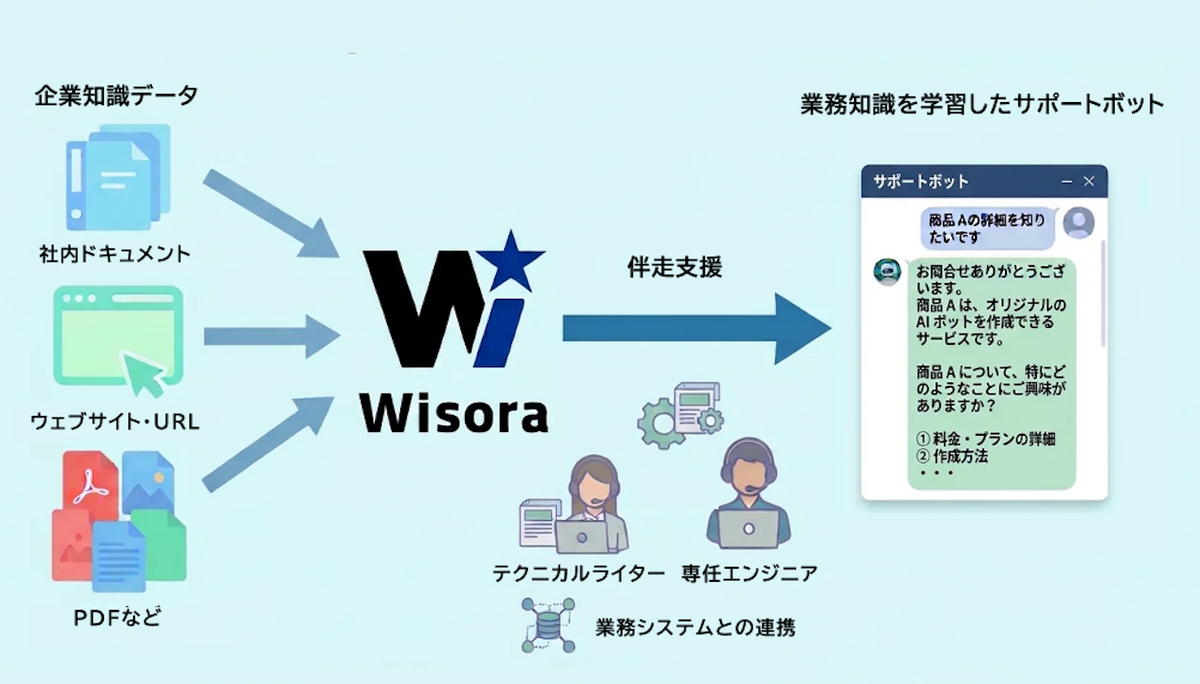
Soracom said on November 27 that Wisora Enterprise now standardly includes technical writers who organize manu…
RayNeo will run a Black Friday sale from November 27 to December 7, 2026, on Amazon.co.jp and its Japan site…

MetAI launched MetAI Creator Studio, which uses AI to propose new titles, descriptions, chapters, thumbnails a…

The Digital Agency is soliciting domestic LLMs — including small and domain-specific models — to be trialled o…

