
Semiconductor shortages are spreading beyond artificial intelligence chips to consumer devices, with lead times lengthening across a wider range of industries. Reports indicate the supply-demand imbalance has not improved but instead expanded, affecting multiple end markets and signaling sustained pressure on global chip supply chains.
Summaries like this, in your inbox every morning.
Sign up free →What happened
Semiconductor lead times are lengthening across more industries, not just AI, as demand from consumer devices remains strong. The imbalance between chip supply and demand is widening rather than easing, affecting a broader range of end markets.
Why it matters
The shortage is no longer confined to high-end AI chips; it now extends to everyday consumer products. This signals sustained pressure on chip manufacturers and supply chains globally, which could affect product availability and pricing across multiple sectors.
What to watch
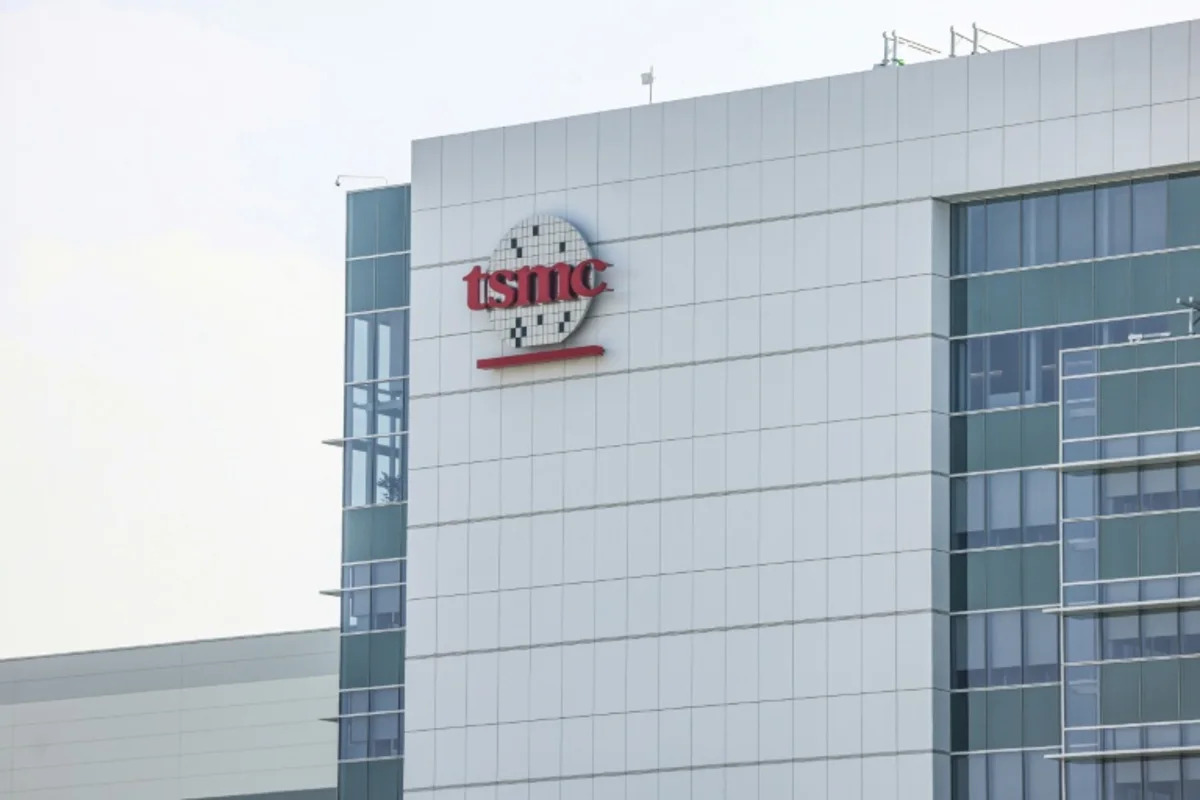
The trend suggests semiconductor constraints will persist across diverse industries. Taiwanese IC design firms and chipmakers are among those experiencing the extended lead times.
Reports of lengthening semiconductor lead times have become increasingly common in recent months, signaling a persistent and broadening supply-demand imbalance. Initially characterized as an AI-driven shortage, the crunch is now spreading across multiple end markets, including consumer devices that continue to experience strong demand. Rather than easing, the gap between chip supply and demand has instead widened, affecting a broader portfolio of industries. Taiwanese IC design firms and chipmakers are among those experiencing the extended lead times, underscoring the global nature of the constraint.
The semiconductor supply crunch, long associated primarily with artificial intelligence demand, is now demonstrating persistence and breadth. Recent reports of lengthening lead times across multiple industries reveal that the constraint is not easing but expanding into areas such as consumer electronics. This shift indicates that resilient consumer demand is contributing substantially to the ongoing supply pressure, not just AI's appetite for chips. The widening imbalance suggests that chip manufacturers face a sustained, multi-sector challenge rather than a cyclical or AI-specific bottleneck.
AI-summarized, only the topics you pick — one digest a day via Email, Slack, or Discord.
Free · takes 30 seconds · unsubscribe anytime
No comments yet. Be the first to share your thoughts!
Log in to join the discussion



Get curated AI news from 200+ sources delivered daily to your inbox. Free to use.
Get Started FreeFree · takes 30 seconds · unsubscribe anytime
1 minute a day. The AI essentials.
200+ sources · Email / LINE / Slack
