What happened
Apple researchers tested LLMs against human annotators on Multidimensional Quality Metrics (MQM) and Error Span Annotation (ESA) schemes, using a 70 language pair test set plus WMT23 and WMT25 data, and found LLM agreement beats human-to-human agreement on some tasks but stays unreliable for most settings.
Why it matters
Humans struggle with fine-grained MQM annotations and low-resource language pairs, while LLMs struggle with minor errors, wrong language variants and error span annotation, suggesting neither side is ready to replace the other for translation quality checks.
WHO IT HITSLocalization and translation quality teams that rely on human annotators, plus AI teams planning to swap in LLM raters for cost savings, face reliability gaps across annotation schemes and language pairs.
Summaries like this, in your inbox every morning.
Apple's researchers set out to test a widely held assumption: that large language models can judge machine translation quality more cheaply and efficiently than people. They compared LLM agreement with human annotators on two established schemes, Multidimensional Quality Metrics (MQM) and Error Span Annotation (ESA), across a long-context test set of 70 language pairs and the WMT23 and WMT25 datasets.
The results were mixed. In some tasks, LLMs agreed with human annotators more than human annotators agreed with each other. But that agreement varied substantially across annotation schemes, language pairs and domains, and both approaches remained unreliable for most settings.
The paper also pinpoints where each side falls short: humans are particularly challenged by fine-grained MQM annotations and low-resource language pairs, while LLMs struggle with minor errors, wrong language variants and error span annotation. The authors suggest human-LLM collaborative annotation pipelines could address the reliability issues they identified.
Pick your industry and the AI tools you use, and get news related to your work every day.
Free · 30 seconds with Google · unsubscribe anytimeWhat is AIToday? →
Ask AI anything about this article. The AI reads this article, earlier AIToday articles, and Wikipedia, and cites its sources. Q&As are published on this page for other readers too.
Setagaya Ward tested Genspark, an AI agent tool, and cut roughly 2,900 hours of work, according to Sho Miyama…

LegalOn Technologies began offering a beta of its "Agent Builder" feature on October 19, which automates a ser…
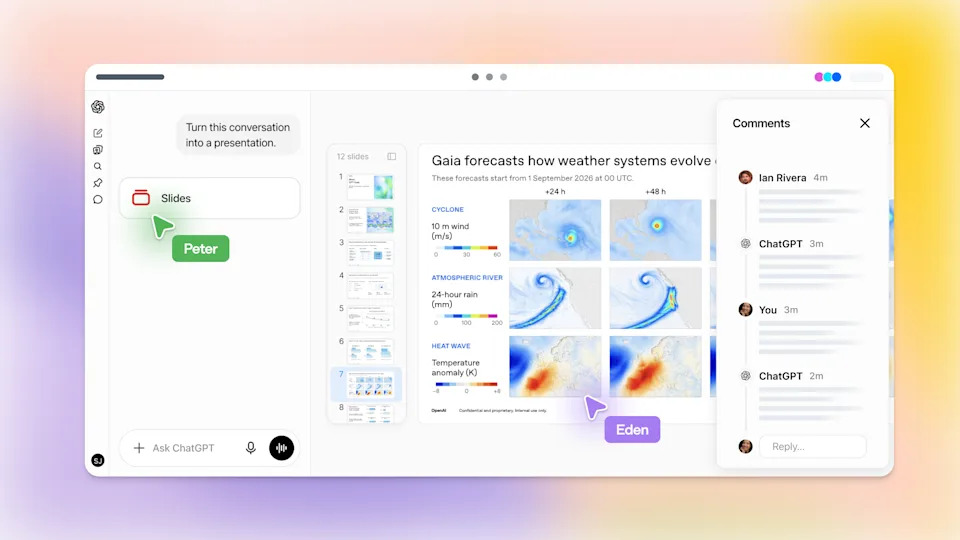
OpenAI launched ChatGPT Slides, which builds decks from chats, files or outlines and can mimic the design of a…
DeepSeek released Search and Fetch APIs on October 17, 2026, with each endpoint priced at $0.75 per 1,000 call…

DeepSeek published DeepSeek-V4.1-Flash-1017 on October 17, 2026 as a free, MIT-licensed open model that scored…
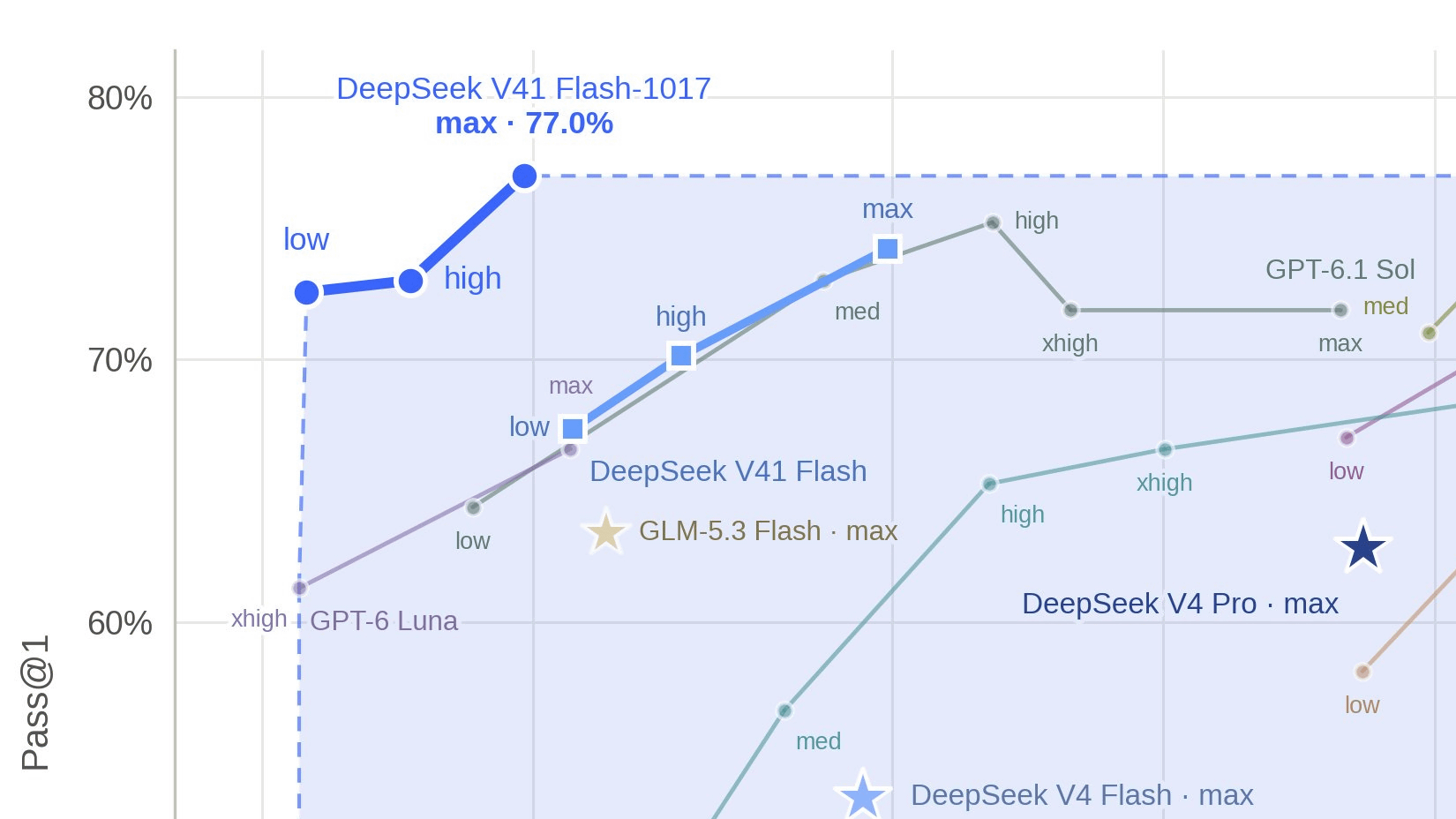
DeepSeek released DeepSeek-V4.1-Flash-1017, a “minor update” that reduces task execution time and output lengt…