
Three major AI-related stocks—Synopsys, Constellation Energy, and Microsoft—have posted strong operational results year to date but are trading significantly below their potential due to investor skepticism. Synopsys reported 42% revenue growth and secured a $2 billion(約3200億円) Nvidia investment; Constellation's revenue surged 61% and it expects 20% EPS growth through 2029; Microsoft's AI business more than doubled its revenue run rate. Despite these gains, all three trade down 12–30% year to date, suggesting their current valuations may not reflect their strengthening market positions and long-term opportunities.
Summaries like this, in your inbox every morning.
Sign up free →What happened
Synopsys (down 12% year to date), Constellation Energy (down roughly 30% year to date), and Microsoft (down more than 15% year to date) have all underperformed despite posting solid operational gains. Synopsys reported 42% year-over-year revenue growth in fiscal 2026 Q2 and raised full-year guidance; Constellation Energy's revenue surged 61% year over year in Q1; Microsoft's AI business more than doubled its annual revenue run rate year over year in fiscal 2026 Q3, with overall revenue up 18% and net income up 20%.
Why it matters
All three companies continue to gain market share and strengthen fundamentals—Synopsys through its chip design dominance and a $2 billion(約3200億円) Nvidia investment, Constellation through long-term energy deals with tech companies, and Microsoft through a doubling AI business and cloud revenue exceeding half of Q3 sales. Their declines appear disconnected from operational reality, suggesting they may represent buying opportunities for investors with a long-term horizon.
What to watch
Synopsys faces short-term margin pressure from its $35 billion(約5.6兆円) Ansys acquisition, but amortization costs are expected to wind down. Constellation is expected to guide for 20% EPS growth from 2026 to 2029. Microsoft executive vice president Amy Hood cited 'growing demand for Microsoft Cloud' as a driver, with cloud revenue growing faster than the overall business.
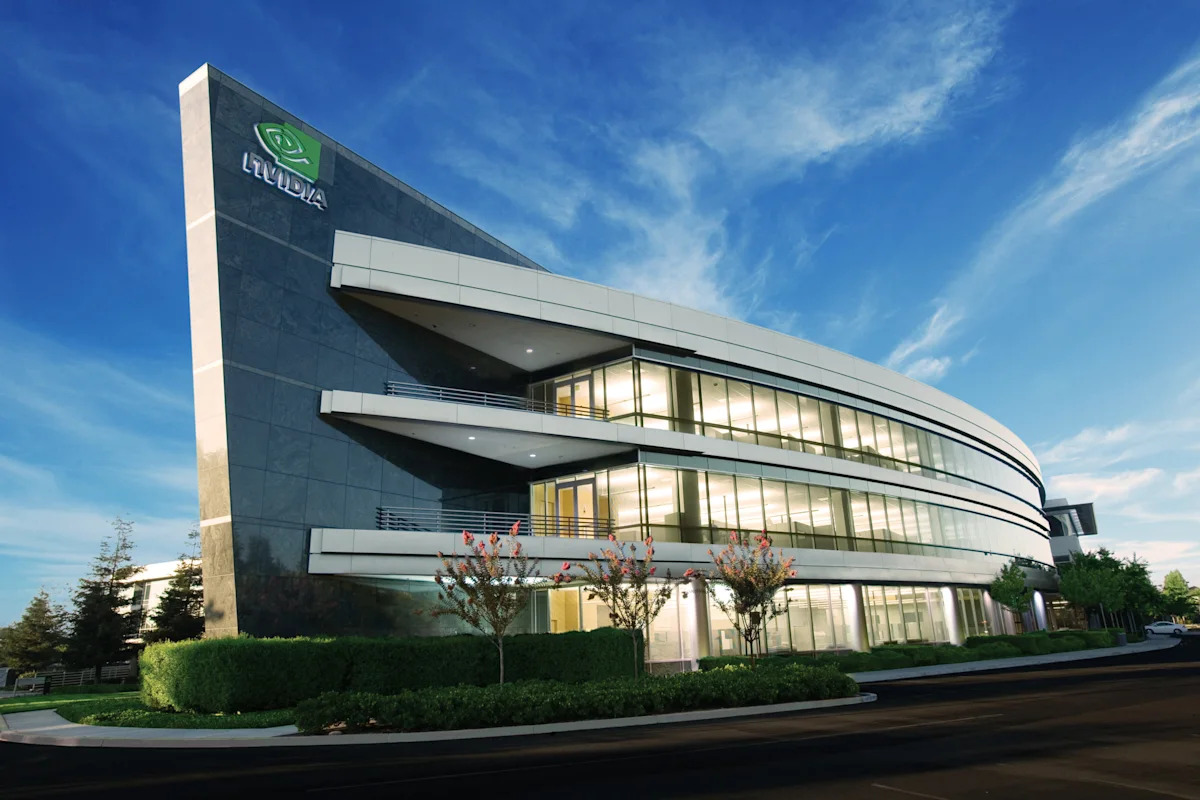
Synopsys designs AI chips and provides Electronic Design Automation software and intellectual property that enable chipmakers to create chips at scale while maintaining high barriers to entry. The company recently expanded its partnership with Nvidia and received a $2 billion(約3200億円) investment from the graphics-processor giant. In its fiscal 2026 second quarter, Synopsys reported 42% year-over-year revenue growth and raised its full-year revenue guidance. Yet the stock has declined 12% year to date, a decline that stands out given the company's strengthening market position. The core reason for the near-term margin pressure is Synopsys' landmark $35 billion(約5.6兆円) acquisition of Ansys, which has boosted market share but saddled the company with significant amortization costs. Once those expenses wind down, investors expect Synopsys to deliver materially higher margins, making the current decline an attractive long-term entry point even as the stock remains in a short-term correction.
Constellation Energy is the leading producer of clean, reliable energy, operating 55 gigawatts of capacity from nuclear, natural gas, and other sources. The company benefits from a structural tailwind: tech companies building AI data centers require around-the-clock, dependable power, and Constellation signs long-term energy contracts with these customers without having to pour capital into building data centers themselves. In the first quarter, revenue surged 61% year over year, and management guided investors to expect "strong, visible cash flow" throughout the year. The stock trades at a 22.3 P/E ratio, which should be attractive, yet shares are down roughly 30% year to date. The selloff stems from investor discomfort with Constellation's January 2025 acquisition of U.S. power producer Calpine for $16.4 billion(約2.6兆円). Critics viewed the deal as increasing debt and dilution while redirecting resources toward cyclical natural-gas generation rather than nuclear energy. However, Constellation is expected to guide for 20% EPS growth from 2026 to 2029, and multiyear tailwinds from AI data center demand should support the company's energy portfolio value over time.
Microsoft is one of the few hyperscalers that has not outperformed the S&P 500 this year, trading down more than 15% year to date and fielding some Wall Street price-target cuts. However, the doom and gloom appears overdone. In its fiscal 2026 third quarter, Microsoft's AI business more than doubled its annual revenue run rate year over year, while overall revenue grew 18% year over year and net income jumped 20% year over year. These metrics trade at a 23 P/E ratio, a valuation that appears conservative given the company's leadership in cloud computing and its positioned for long-term AI growth. Executive vice president Amy Hood attributed the quarter's strength to "growing demand for Microsoft Cloud"; cloud revenue expanded faster than the overall business and accounted for more than half of Microsoft's Q3 fiscal 2026 revenue. This trend could accelerate Microsoft's overall revenue across its portfolio, suggesting the stock may be undervalued at current levels.
The three stocks examined—Synopsys, Constellation Energy, and Microsoft—have all experienced notable year-to-date declines despite demonstrating strong operational performance and market share gains. This disconnect suggests that investor sentiment, rather than fundamental deterioration, is driving their underperformance. For Synopsys, the $35 billion(約5.6兆円) Ansys acquisition is a structural driver of near-term margin pressure; the company's 42% year-over-year revenue growth and expanded $2 billion(約3200億円) partnership with Nvidia indicate that the acquisition is paying off strategically, but amortization expenses are temporarily depressing profitability. Constellation Energy's 61% revenue surge and expectation of 20% EPS growth from 2026 to 2029 point to a company benefiting from the AI boom's demand for reliable baseload power, yet its January 2025 Calpine acquisition soured investor sentiment. Microsoft, despite being one of the hyperscalers, has lagged the S&P 500 this year, but its AI business doubling its revenue run rate and cloud revenue exceeding half of quarterly sales indicate that its long-term positioning in the AI infrastructure market remains intact. Each company's decline appears to reflect either temporary accounting headwinds (Synopsys), a single unpopular acquisition decision (Constellation), or broader market skepticism about valuation (Microsoft) rather than deteriorating competitive positions.
AI-summarized, only the topics you pick — one digest a day via Email, Slack, or Discord.
Free · takes 30 seconds · unsubscribe anytime
No comments yet. Be the first to share your thoughts!
Log in to join the discussion

Get curated AI news from 200+ sources delivered daily to your inbox. Free to use.
Get Started FreeFree · takes 30 seconds · unsubscribe anytime
1 minute a day. The AI essentials.
200+ sources · Email / LINE / Slack
