Summaries like this, in your inbox every morning.
Sign up free →What happened
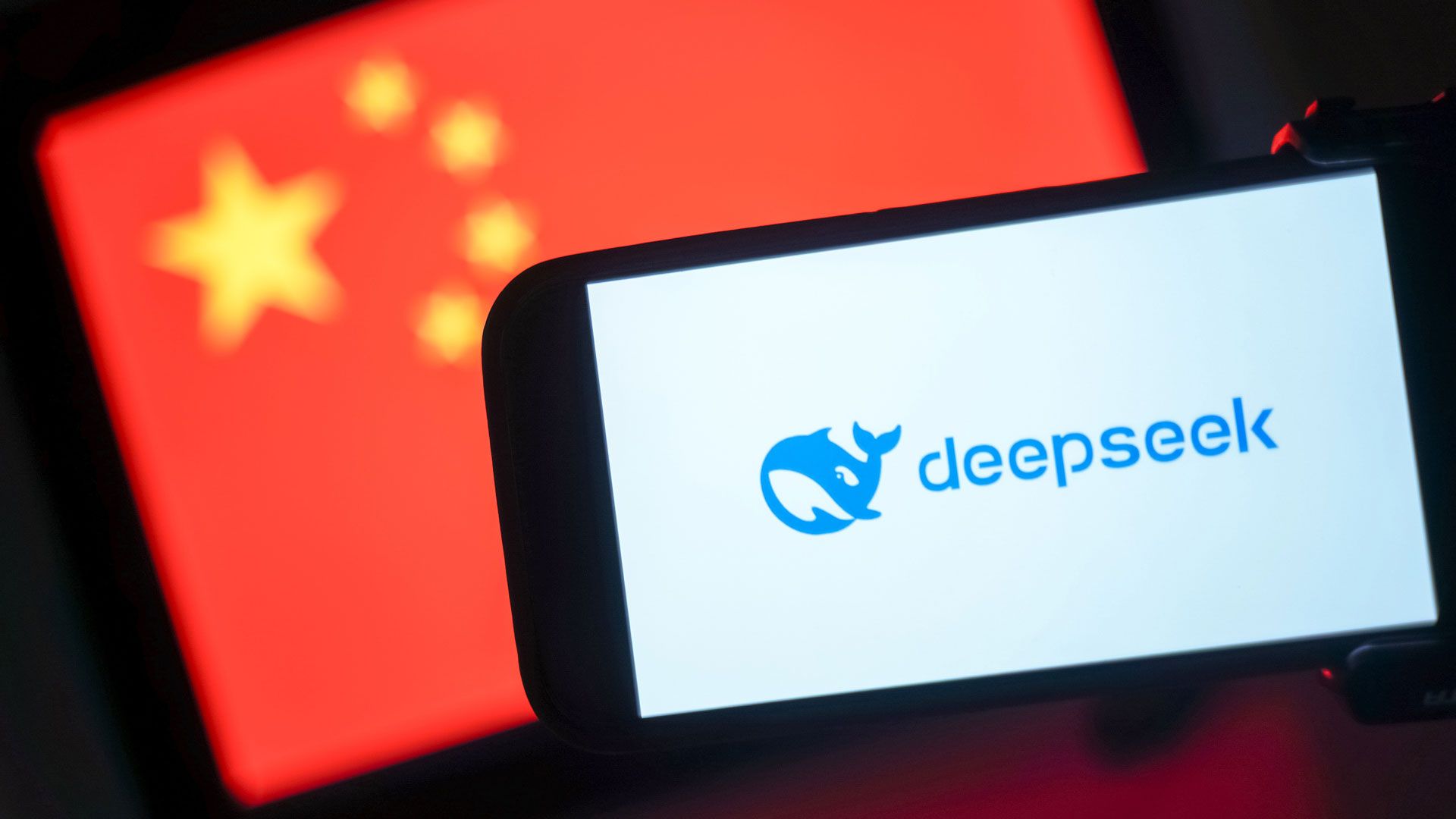
China's Ministry of State Security warned that users accessing US-based AI models like Anthropic's Claude through third-party marketplaces risk exposure to security threats, inadequate encryption, and data retention. Simultaneously, US consumers are adopting cheaper Chinese models such as DeepSeek V4 Pro, Alibaba's Qwen 3.6, and GLM 5.1, which offer lower inference costs than OpenAI and Anthropic.
Why it matters
The move reflects an escalating tit-for-tat dynamic—China is discouraging access to US AI by citing security concerns, mirroring US government restrictions on Chinese chip exports and AI hardware. Research from May 2026 documented a thriving ecosystem of API reseller services on Taobao, GitHub, and Telegram offering Claude access at as little as a tenth of the official price, often using bulk-registered accounts and stolen credentials. Both countries view foreign-user adoption as a strategic win, as more queries provide training data to improve their own AI models.
What to watch
Chinese authorities have signaled future restrictions on US AI access through advisories backed by state agency actions—the article notes a parallel in how China has discouraged but not blanket-banned Nvidia GPU imports for AI workloads. The US government may similarly escalate enforcement against citizens using foreign AI models as the competitive stakes for reaching artificial general intelligence (AGI) intensify.
AI-summarized, only the topics you pick — one digest a day via Email, Slack, or Discord.
Free · takes 30 seconds · unsubscribe anytime
No comments yet. Be the first to share your thoughts!
Log in to join the discussion
Get curated AI news from 200+ sources delivered daily to your inbox. Free to use.
Get Started FreeFree · takes 30 seconds · unsubscribe anytime
