
Bank of America has released a report arguing that artificial intelligence will not cause widespread job displacement in the United States over the next five to ten years, pushing back against common fears about automation eliminating large numbers of positions.
The assessment is noteworthy because it diverges from much of the public conversation about AI's labor-market impact, suggesting that near-term disruption concerns may be overstated.
What happened
Bank of America released a report concluding that artificial intelligence is unlikely to significantly displace U.S. workers over the next five to ten years, contrary to widespread concern about job losses from automation.
Why it matters
This assessment challenges prevailing narratives about AI's immediate threat to employment. For businesses and policymakers, it suggests the urgency around AI-driven job displacement may be overstated in the near term, though the bank's analysis implies longer-term workforce adaptation will still be necessary.
What to watch
The report's specific findings on which sectors face the greatest exposure and what timeline the bank projects for any meaningful labor-market shifts remain critical to understanding where disruption, if any, is most likely to occur.
Bank of America has published a report offering a contrarian perspective on artificial intelligence's impact on U.S. employment. Rather than concluding that AI will broadly displace workers, the bank's analysis suggests that significant job displacement is unlikely to occur over the next five to ten years. This conclusion runs counter to much of the contemporary discussion around AI and labor, where concerns about automation replacing human workers have become increasingly prominent in both public and policy conversations. The report does not claim that AI will have no effect on employment or that workers will face no adjustment; rather, it argues that the near-term timeline most commonly cited in anxious discourse about AI is more optimistic than many fear. The bank's assessment appears designed to inject a note of caution into what it may view as overheated expectations about imminent labor-market disruption.
Bank of America's report arrives at a time when public discourse has grown increasingly focused on the risks artificial intelligence poses to employment. The bank's conclusion—that significant job displacement is unlikely in the five to ten year window—stands in contrast to much of that broader conversation, in which technology leaders, economists, and policy advocates have frequently warned of major labor-market upheaval. By positioning its view as a counterpoint to these dominant narratives, Bank of America's analysis suggests that near-term anxiety about AI-driven job losses may outpace the actual near-term risk, even as the bank's framing leaves open the possibility of longer-term shifts in the workforce.
AI-summarized, only the topics you pick — one digest a day via Email, Slack, or Discord.
Free · takes 30 seconds · unsubscribe anytime
Ask AI anything about this article. Q&As are published on this page for other readers too.
IBM and Together AI have signed a $240 million agreement to build and operate an Nvidia-powered AI inference c…

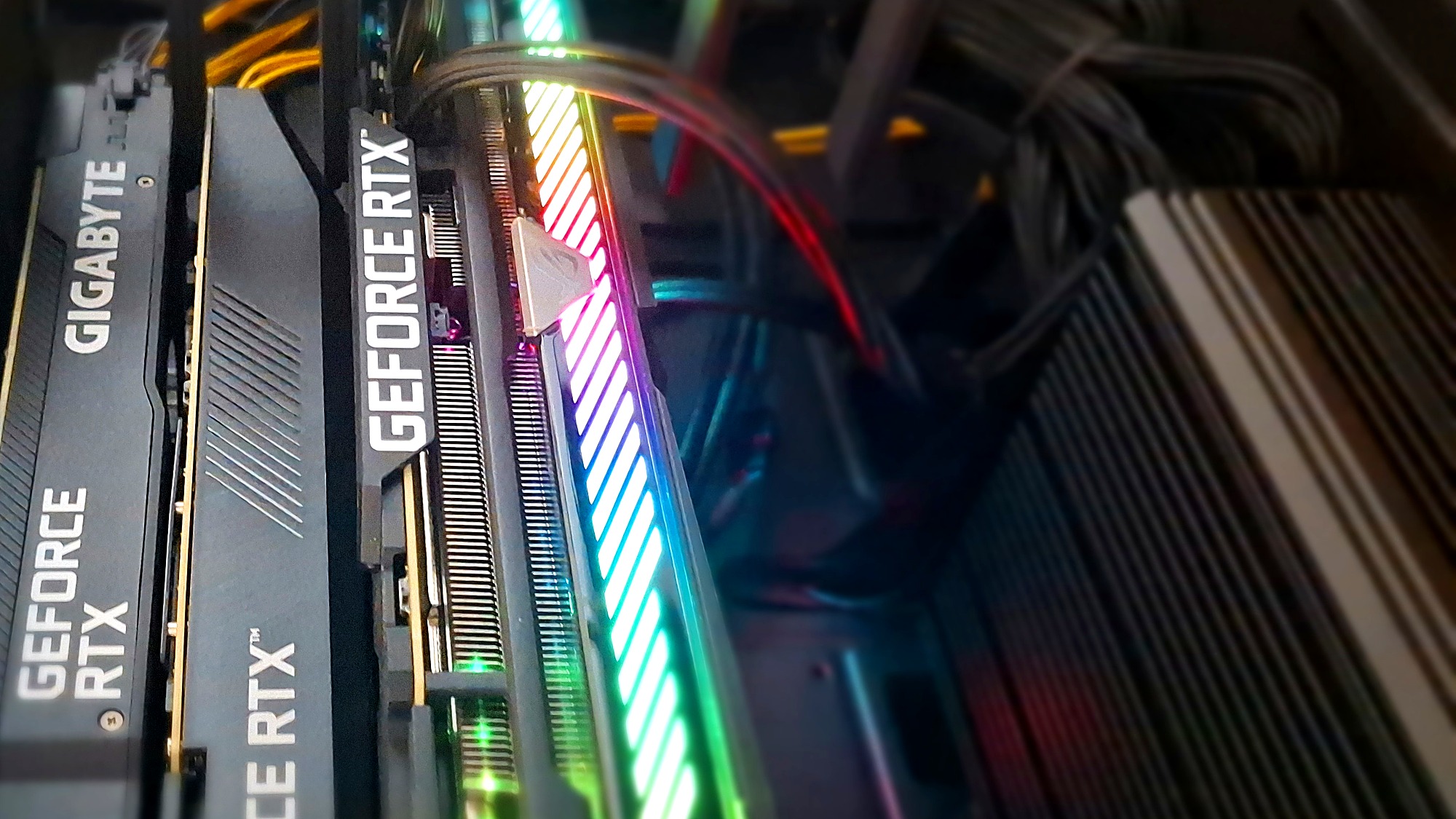
Running a 122-billion-parameter model on three RTX 3090 GPUs with a 256K-token context, the author's AI agent…
Industry analysts and energy companies see artificial intelligence as a tool to increase oil extraction and re…

Healthcare investors are treating sector exposure as an indirect bet against artificial intelligence, with som…

NVIDIA and partners released multiple open-source AI models optimized for local execution throughout August, i…

Warren Buffett's Berkshire Hathaway holds few pure AI stocks, but its portfolio of insurance and banking busin…

The AI news that matters, in one minute each morning.
Sign up free