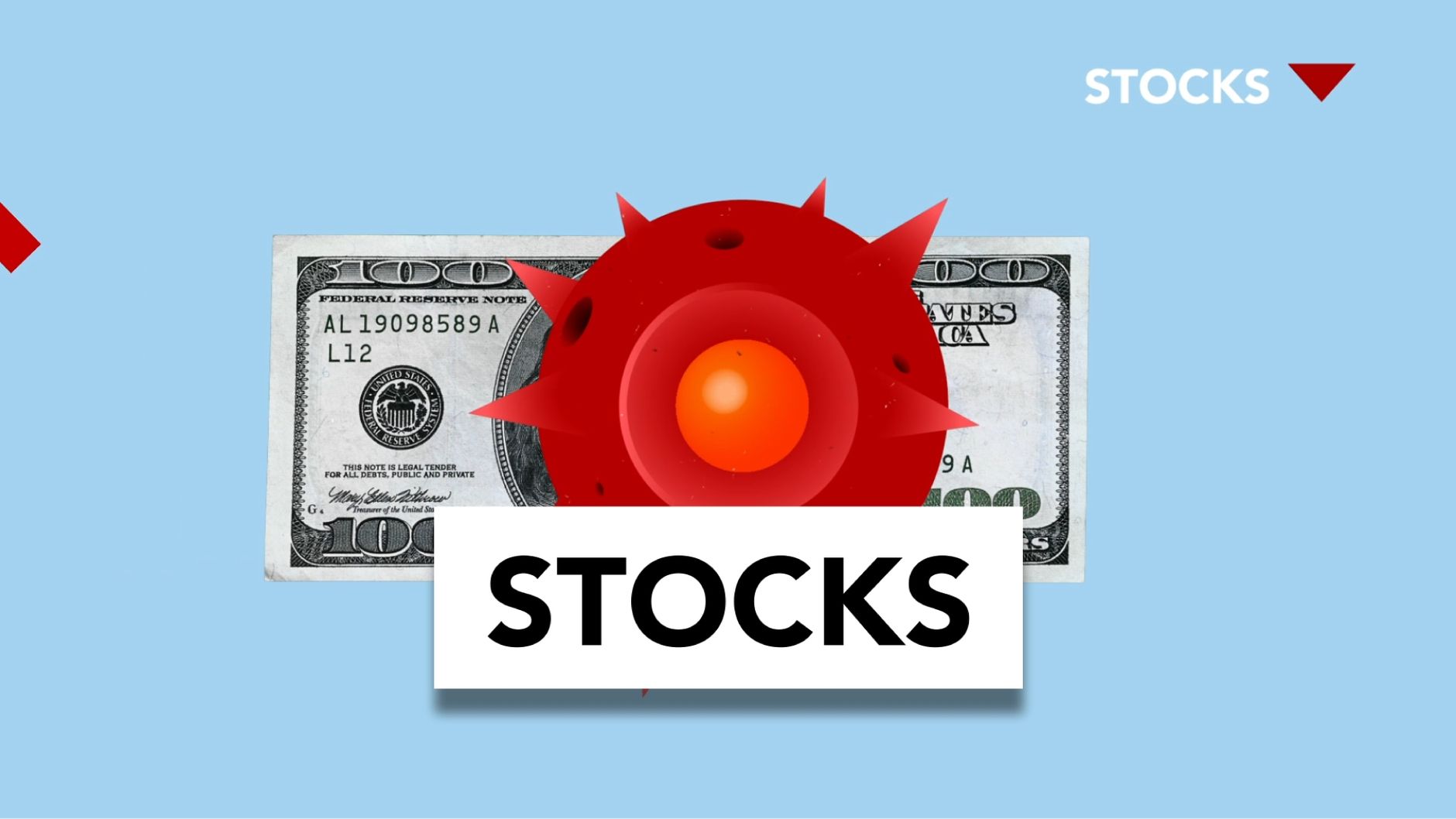
Healthcare investors are increasingly treating the sector as an artificial intelligence short—a bet that AI will disrupt traditional healthcare business models.
Rather than viewing healthcare as a defensive investment, sophisticated investors now see AI-driven automation in diagnostics, drug discovery, and administrative work as a structural threat to profit margins and competitive advantage across pharmaceuticals, medical devices, and insurance.
What happened
Healthcare investors are treating sector exposure as an indirect bet against artificial intelligence, with some deploying short strategies as AI threatens traditional healthcare economics and profit models across pharmaceuticals, medical devices, and insurance.
Why it matters
AI is reshaping healthcare by automating diagnostic work, accelerating drug discovery, and pressuring margins in ways that directly challenge the sector's historical competitive moats and pricing power—a structural shift that reverses decades of healthcare as a defensive, stable investment category.
What to watch
How quickly AI-driven automation erodes margins in diagnosis, billing, and administrative work; whether traditional healthcare companies can adapt their business models faster than AI capabilities expand into new clinical areas.
The article reports that healthcare investing has inverted from a traditional safe-haven sector into a vehicle for betting against artificial intelligence. Investors are increasingly treating healthcare exposure as an indirect short on AI—a wager that machine learning and automation will disrupt the economics that have made healthcare stocks reliably profitable for decades. The core disruption stems from multiple vectors: AI's ability to augment or replace diagnostic work traditionally performed by radiologists and pathologists, its acceleration of drug discovery pipelines that compress timelines for pharmaceutical development, and its automation of billing, coding, and administrative overhead in insurance and hospital systems. Each of these applications directly threatens profit margins. Drug companies face the prospect of faster cycle times reducing the duration of premium pricing; diagnostic-heavy business models face margin compression as AI-powered tools democratize accuracy; and insurance systems confront lower administrative costs but also reduced justification for current fee structures. The article positions this not as a temporary headwind but as a structural revaluation—healthcare no longer benefits from the defensive characteristics (high barriers, pricing power, demographic tailwinds) that made it a haven in previous market cycles. Instead, investors now view the sector as vulnerable to the same technological disruption that has reshaped other industries, making a short position a rational response to expected margin compression and competitive deterioration across the healthcare value chain.
Healthcare has long been viewed by institutional investors as a defensive sector—stable cash flows, aging populations driving demand, regulatory barriers to entry, and pricing power all combined to make it a reliable wealth-preservation vehicle. The emergence of AI as a disruptive force fundamentally challenges this narrative. The article identifies a strategic shift: instead of treating healthcare as a hedge against broader market downturns, sophisticated investors now position it as an AI short—a bet that artificial intelligence will erode the sector's structural advantages. This reflects a recognition that AI-driven diagnostics, drug discovery acceleration, and automation of administrative workflows are not incremental improvements but transformative forces that directly attack healthcare's historical profit sources. The shift from "healthcare as stability" to "healthcare as AI victim" represents a major revaluation of risk in the investment landscape.
AI-summarized, only the topics you pick — one digest a day via Email, Slack, or Discord.
Free · takes 30 seconds · unsubscribe anytime
Ask AI anything about this article. Q&As are published on this page for other readers too.
Bank of America released a report concluding that artificial intelligence is unlikely to significantly displac…

IBM and Together AI have signed a $240 million agreement to build and operate an Nvidia-powered AI inference c…

Running a 122-billion-parameter model on three RTX 3090 GPUs with a 256K-token context, the author's AI agent…
Industry analysts and energy companies see artificial intelligence as a tool to increase oil extraction and re…

NVIDIA and partners released multiple open-source AI models optimized for local execution throughout August, i…
Warren Buffett's Berkshire Hathaway holds few pure AI stocks, but its portfolio of insurance and banking busin…

The AI news that matters, in one minute each morning.
Sign up free