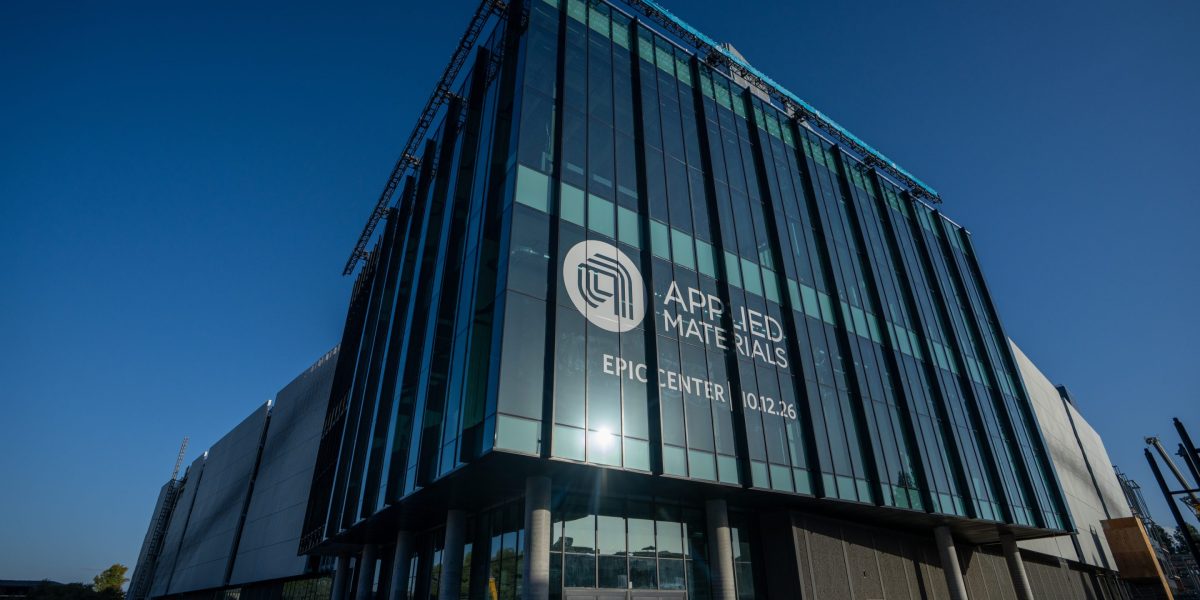
What happened
Applied Materials officially unveiled its $5 billion EPIC facility, a 600,000-square-foot research center at its Sunnyvale campus, where Intel, TSMC, Micron, SK Hynix and Samsung get early access to new chipmaking equipment.
Why it matters
The company says co-locating researchers at EPIC can cut the typical chip 'concept to commercialization' timeframe from 10 to 12 years to as little as six years, which could accelerate advances in microprocessors and memory chips used for AI.
WHO IT HITSThis matters most to chip researchers and equipment engineers at Applied Materials and its partners Intel, TSMC, Micron, SK Hynix and Samsung, who will work side by side in the Sunnyvale clean rooms. The longer development cycles for advanced memory and logic chips mean the project's benefit would be felt mostly in future chip generations rather than in products shipping today.
Summaries like this, in your inbox every morning.
Applied Materials has been one of the clearest corporate winners of the AI boom, and its new EPIC center is an attempt to lock that position in for the next generation of chips. The 59-year-old company, which started as a chemistry supplier and became the world's largest chipmaking equipment producer, says the 600,000-square-foot facility is the largest-ever U.S. investment in advanced semiconductor equipment R&D. Its partners are competitors on other days — Micron and SK Hynix both make memory chips, for instance — but here each gets private test facilities and staff on-site, working alongside Applied Materials' own engineers.
The timing has a competitive edge. On the same day as the Sunnyvale unveiling, China's CXMT announced a memory chip density breakthrough that, if substantiated, could beat Samsung and SK Hynix to a milestone; shares of those two companies fell roughly 7% and 10% in South Korea. The U.S. government has barred sales of advanced GPU chips and chipmaking equipment to China, a policy Applied Materials CEO Gary Dickerson declined to comment on directly while repeatedly invoking 'winning the AI race.' That context, plus the company's own history — in February it paid $252 million to settle a Commerce Department case over equipment shipped to China — suggests the R&D hub is as much about strategic positioning as about lab results.
There are also risks that need watching. Applied Materials' shares are up more than 110% over the past 12 months, and in August it reported $9.12 billion in quarterly revenue, up 25% year over year. But the memory chip industry has a long history of boom-and-bust cycles, and some industry observers worry that overinvestment by both chipmakers and equipment makers could pose a risk if demand drops — visibility into customer demand as far out as 2030, they note, is not the same as signed contracts. Dickerson's counter is that demand for chips and for better performance and power efficiency is only going to increase, because the products companies are building for AI keep pushing in that direction.
Pick your industry and the AI tools you use, and get news related to your work every day.
Free · 30 seconds with Google · unsubscribe anytimeWhat is AIToday? →
Ask AI anything about this article. The AI reads this article, earlier AIToday articles, and Wikipedia, and cites its sources. Q&As are published on this page for other readers too.
Goldman Sachs economists Rindels and David Mericle said in a Wednesday note that AI price pressures currently…

Barclays downgraded Dell, HPE and NetApp to the equivalent of a hold from buy, saying it hasn't seen a "meanin…
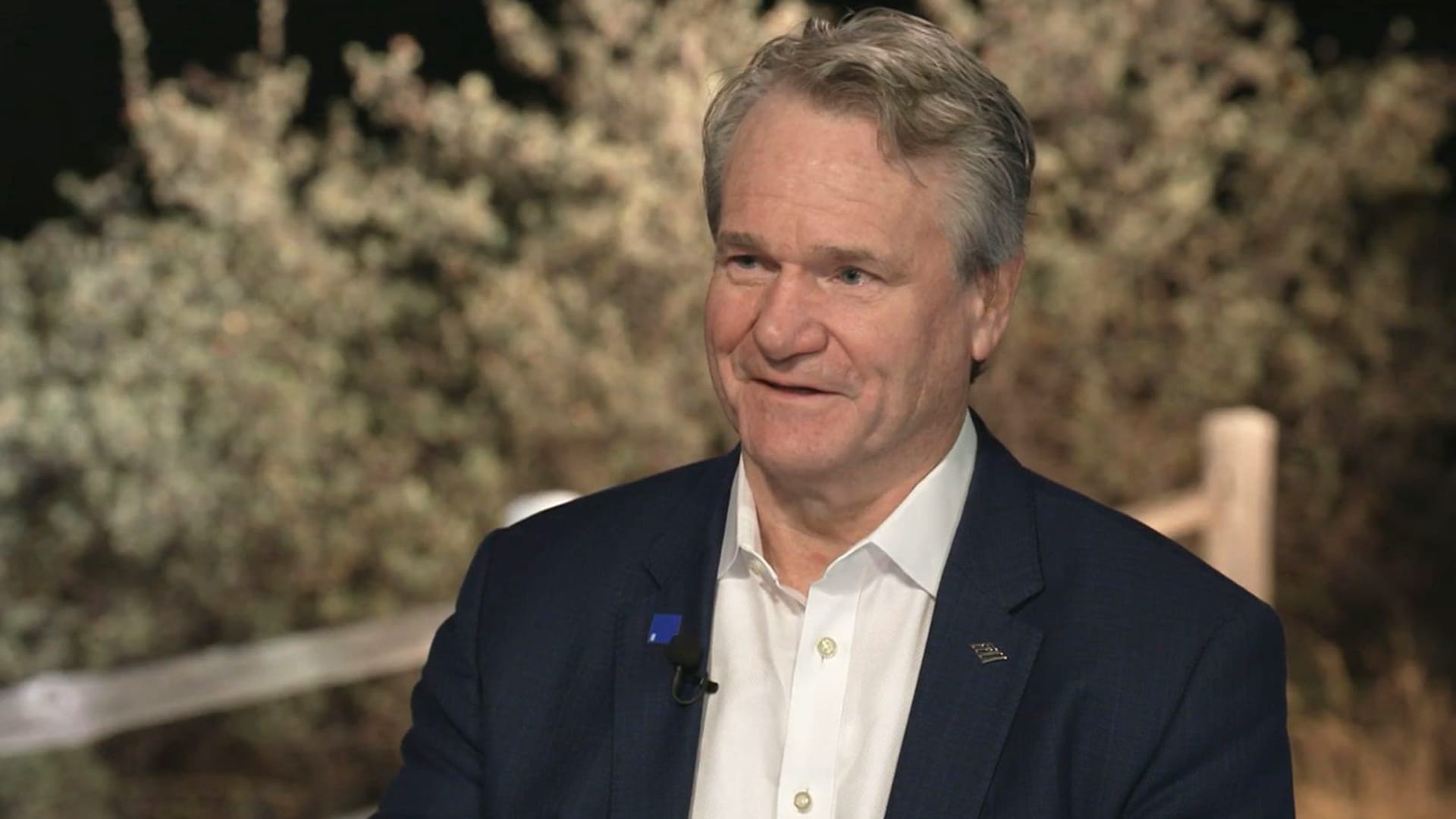
CEO Brian Moynihan told CNBC Bank of America added 1,000 contractors in the second quarter to patch software v…
Pharmaceutical Executive will host a November 4, 2026 webcast introducing the RAIL Score, a framework for eval…

Morgan Stanley is lending capital to the AI build-out and using AI internally, while CEO Ted Pick told analyst…
At the Fortune Most Powerful Women Summit, Chevron CFO Eimear Bonner said AI "doesn't get a free pass just bec…