What happened
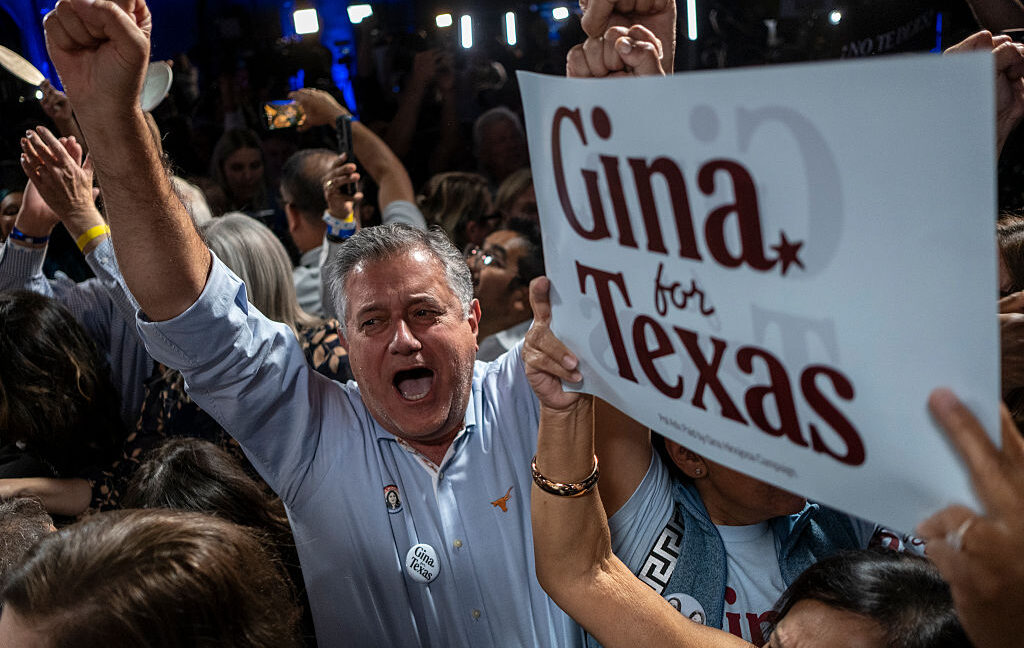
Voters approved 38 of 44 data center restriction measures across 10 states, and Gina Hinojosa won the Texas governor race, exposing about 13 gigawatts of data center capacity.
Why it matters
Axios projects nearly two-thirds of 2028 data center capacity could face delays, which would set back revenue for AI firms at a time when Gartner estimates the AI boom is nearly $5 trillion short of paying for itself.
What to watch
Developers are expected to face tighter rules on tax incentives and grid and water costs; analyst Gordon Johnson's note says Texas projects with power but no state environmental permits slip 12 to 18 months.
WHO IT HITSData center developers and the AI companies that depend on their capacity face longer permitting timelines and higher costs, while utilities and residents in hosting states are likely to see more scrutiny over who pays for grid and water infrastructure.
Summaries like this, every morning.
The election results land in the middle of a buildout that Trump had framed as a national priority, and the geography makes them hard to dismiss. Texas, described by Axios as the epicenter of the AI boom, elected a governor who plans to delay projects until laws address water, electricity, air and property rights. Democrats also won governor races in Arizona, Georgia and Ohio — the next three biggest states courting data center developers. Bloomberg estimated that half the data centers in the US are now more vulnerable to scrutiny.
The industry's public response has been to dispute the framing rather than the outcome. Adam Kovacevich of the Chamber of Progress argued that voters were delivering an anti-Trump wave rather than an anti-tech mandate, pointing to Democratic gubernatorial candidates who opposed data center bans winning at a higher rate. NBC News exit polls do show cost of living and government corruption ranked as more significant than AI, but 3 in 4 voters said they opposed data centers, and more than half called AI and data centers a crucial or major factor in their congressional vote.
The practical question is timing. Analysts expect more sand in the gears rather than outright moratoria — longer permit approvals, more concessions, and tighter rules on tax incentives and who pays for grid and water infrastructure. Natixis's Gary Ng suggested a US slowdown could benefit China by keeping US AI token prices high and opening room to export cost-effective inference services. Meanwhile, SpaceX has raised its own 2027 target to approximately 13GW, which SemiAnalysis says would be the largest amount of data center capacity ever built by one company in that timeframe.
Pick your industry and the AI tools you use, and get news related to your work every day.
Free · 30 seconds with Google · unsubscribe anytimeWhat is AIToday? →
Ask AI anything about this article. The AI reads this article, earlier AIToday articles, and Wikipedia, and cites its sources. Q&As are published on this page for other readers too.
On November 3, voters in 10 states backed restrictions on data center development in 40 of 41 local ballot mea…
Numica, which buys small accounting practices from retiring owners and runs the work on its AI software, has r…

In one session that ran 13 days and 5,065 requests, a single request late in the session cost about $0.42 agai…

At WSJ Tech on Nov. 4, OpenAI president Greg Brockman said annualized revenue grew 70% in Q3 2026, with enterp…

Adzuna data reported by Bloomberg shows UK entry-level job ads mentioning AI have almost tripled since early 2…

Kong said it became a founding member of ServiceNow's new ServiceNow Control Tower Alliance, built around Serv…