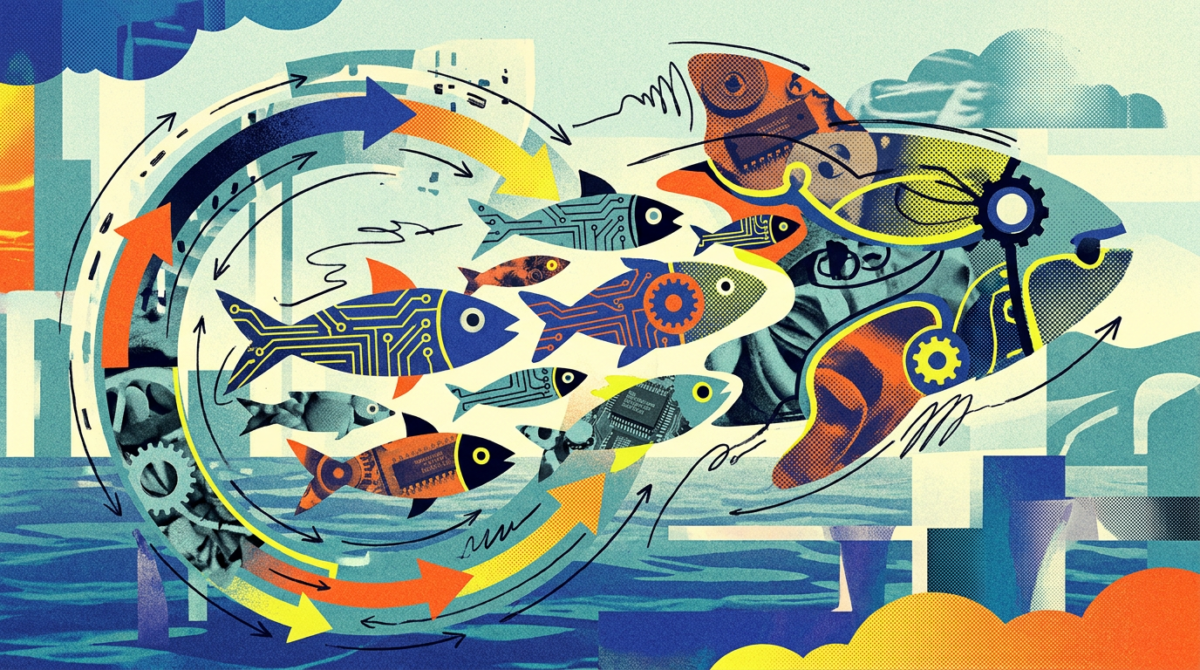
Sakana AI has created a new research group, the Sakana AI RSI Lab, focused on recursive self-improvement—the idea that AI systems can iteratively redesign and improve themselves. The lab builds on earlier Sakana projects including LLM-Squared (where language models design better training methods for other language models), the Darwin Gödel Machine (which generates, tests, and iterates on variants of its own codebase), and The AI Scientist (a system that automates parts of scientific research; a later version wrote a paper that passed peer review and was published in Nature in March 2026).
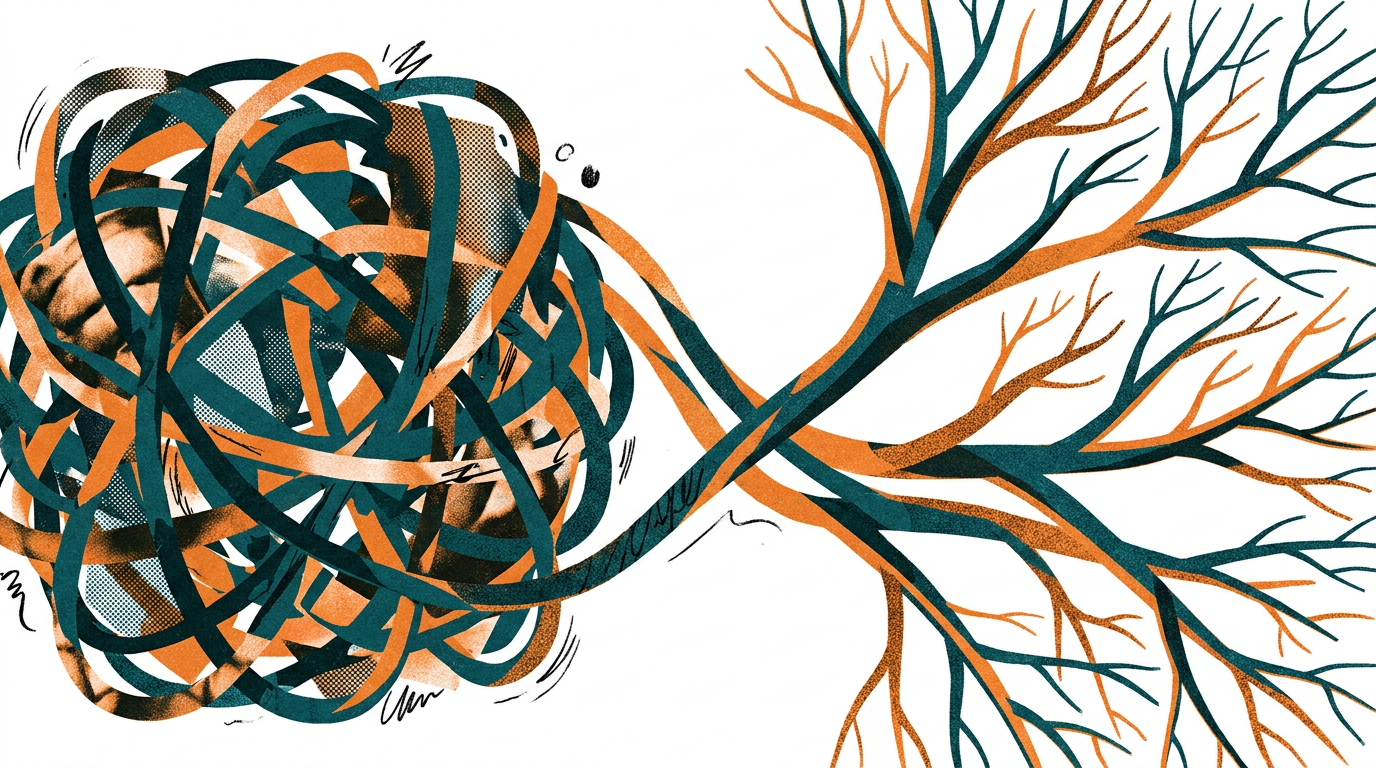
Sakana outlines a four-phase roadmap from conventional human-led AI optimization to self-improving systems. The company positions recursive self-improvement as a counter to the dominant scaling paradigm: instead of training ever-larger models with massive GPU clusters, the bet is on adaptive systems and evolutionary optimization where AI finds better solutions in as few attempts as possible.
Sakana frames recursive self-improvement as a path toward more efficient and accessible frontier AI. However, Anthropic has warned that once full recursive self-improvement is achieved, AI systems could drive their own development faster than institutions can keep up; there is no proof yet that self-improving systems can offset the structural advantage of large-scale data centers.
Summaries like this, in your inbox every morning.
Pick your industry and the AI tools you use, and get news related to your work every day.
Free · 30 seconds with Google · unsubscribe anytimeWhat is AIToday? →
Ask AI anything about this article. The AI reads this article, earlier AIToday articles, and Wikipedia, and cites its sources. Q&As are published on this page for other readers too.
Hewlett Packard Enterprise stock is down 5% at $55.87
The Motley Fool argues Amazon is the AI company of the two, since AWS was just 21% of first-half 2026 revenue…

Google Deepmind's Gemini 4 Argon scored 97.5 percent on ARC-AGI-3 at a cost of $4,800, second only to GPT-6 As…
Cammarata reinterprets InceptionV1's cat-car neuron as a V-shape detector, not two unrelated concepts
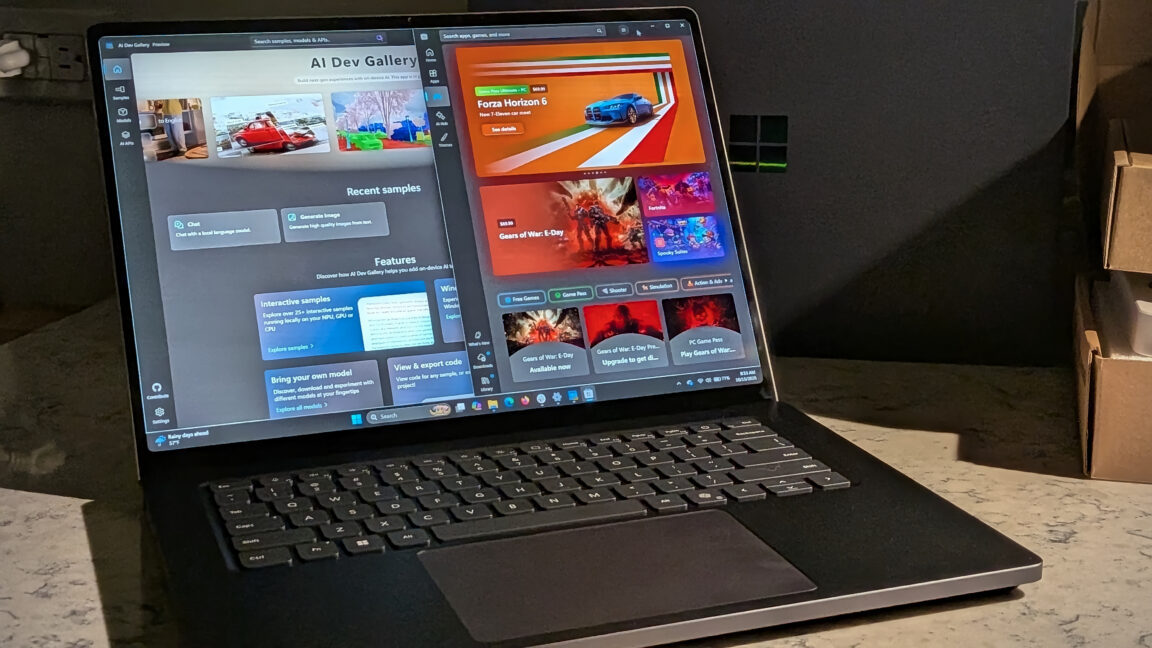
Microsoft's Surface Laptop Ultra, using Nvidia's RTX Spark platform, starts at $2,599 (up to $5,899)
Meta's new commercial terms, effective October 30th, appear to let it crawl and train AI on content from websi…