What happened
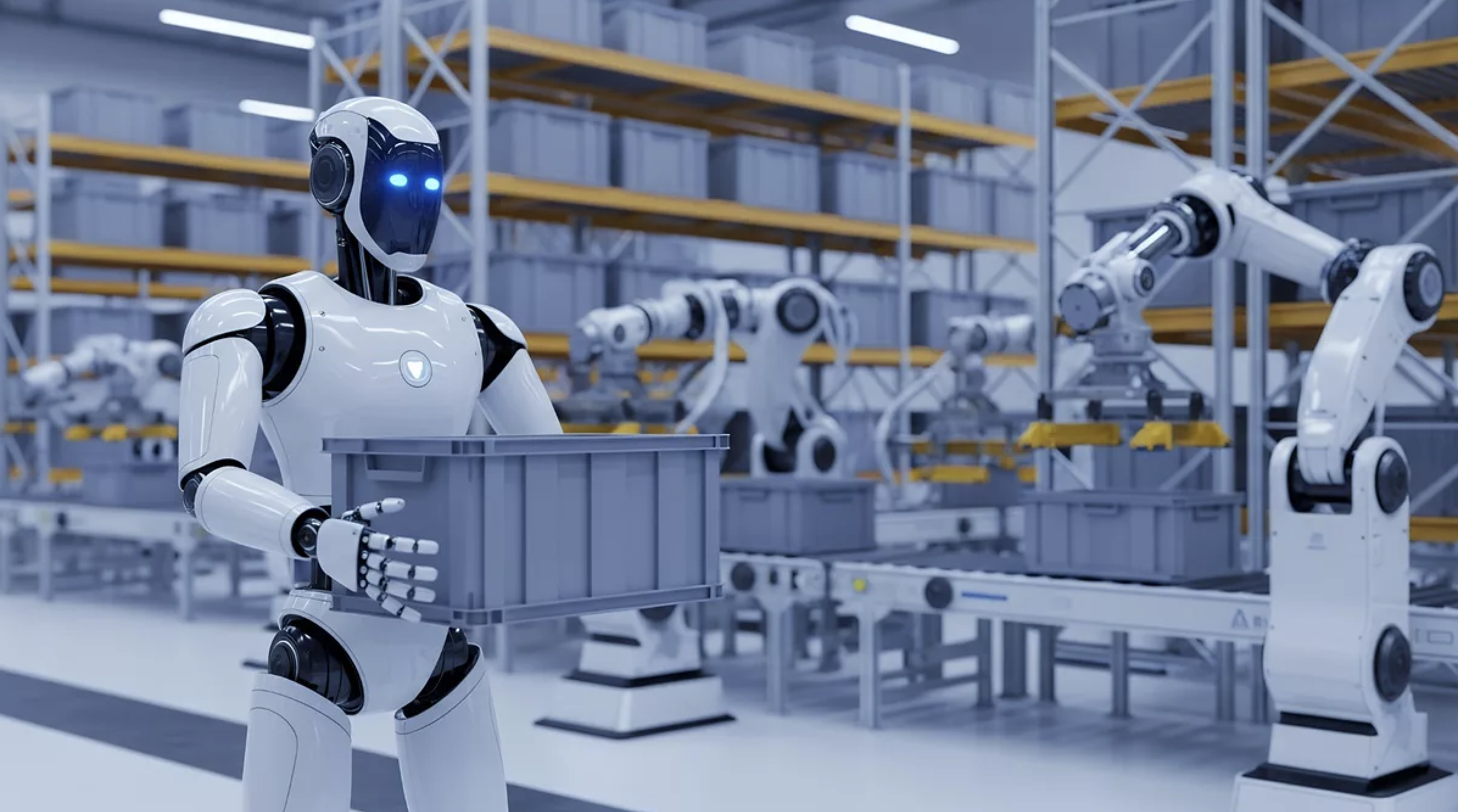
AWS last month rolled out cloud-to-edge solutions for customers building physical AI systems—AI that perceives, reasons about, and acts in the physical world—to help move them from demo to deployment.
Why it matters
Physical AI promises adaptability over traditional robots, but challenges like data diversity, simulation, and latency remain. One AWS partner, Config, used augmented data to raise success rates from 8.3% to 75% in an out-of-distribution test, showing the potential when bottlenecks are addressed.
What to watch
AWS is not making robots; it provides infrastructure and partner tools across the lifecycle, including a two-stage edge-cloud approach with Edge Impulse. The company says there is no "easy button" yet, but aims to make deployment more repeatable.
Summaries like this, in your inbox every morning.
AWS's move comes as generative AI has largely lived in the digital realm, but physical AI extends intelligence into robots and equipment that must act in unpredictable environments. Traditional industrial automation struggles with deviations, whereas physical AI systems can learn from experience. The article underscores that the model alone is not enough—data, compute, simulation, and deployment operations are equally important. For instance, RLWRLD's robotics foundation model for five-fingered dexterity relies on hundreds of terabytes of factory data, and Config's pipeline collects 20,000 hours of action data monthly yet still faces data-diversity issues. AWS's strategy is to provide a common foundation across the lifecycle, from cloud-scale training to real-time edge inference, rather than becoming a robot maker. The company acknowledges the ecosystem is still evolving and does not yet offer a single branded simulation service. The path to deployment remains complex, but AWS aims to reduce the bespoke effort involved, potentially making physical AI more accessible to enterprises.
Pick your industry and the AI tools you use, and get news related to your work every day.
Free · 30 seconds with Google · unsubscribe anytimeWhat is AIToday? →
Ask AI anything about this article. The AI reads this article, earlier AIToday articles, and Wikipedia, and cites its sources. Q&As are published on this page for other readers too.
Supermicro Computer appointed Mark Long as chief financial officer, bringing an experienced technology finance…

Holtek Semiconductor unveiled its 2026 product roadmap on October 15, focusing on four core areas: smart prote…

TSMC reported about NT$763.1b in Q3 net profit and confirmed that demand for advanced processors is running ah…

Nvidia-backed CoreWeave steadied Thursday after a sharp slump, as investors worried about the debt financing b…
Weathernews said on October 15 it implemented its own AI weather-forecasting model, AI-Nowcast, in its Weather…

TOPPAN Holdings and Keio University ran a quantum-computer and generative-AI proof-of-concept from February 1…